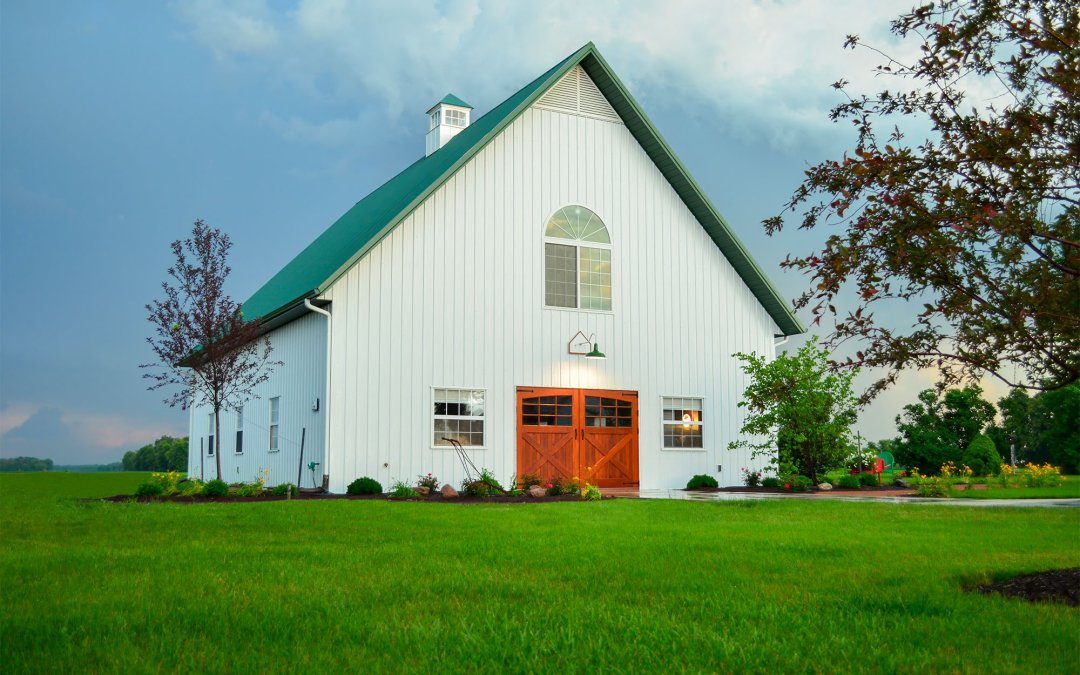
Pool House Buildings for Midwest Backyards

Pool House Buildings for Midwest Backyards

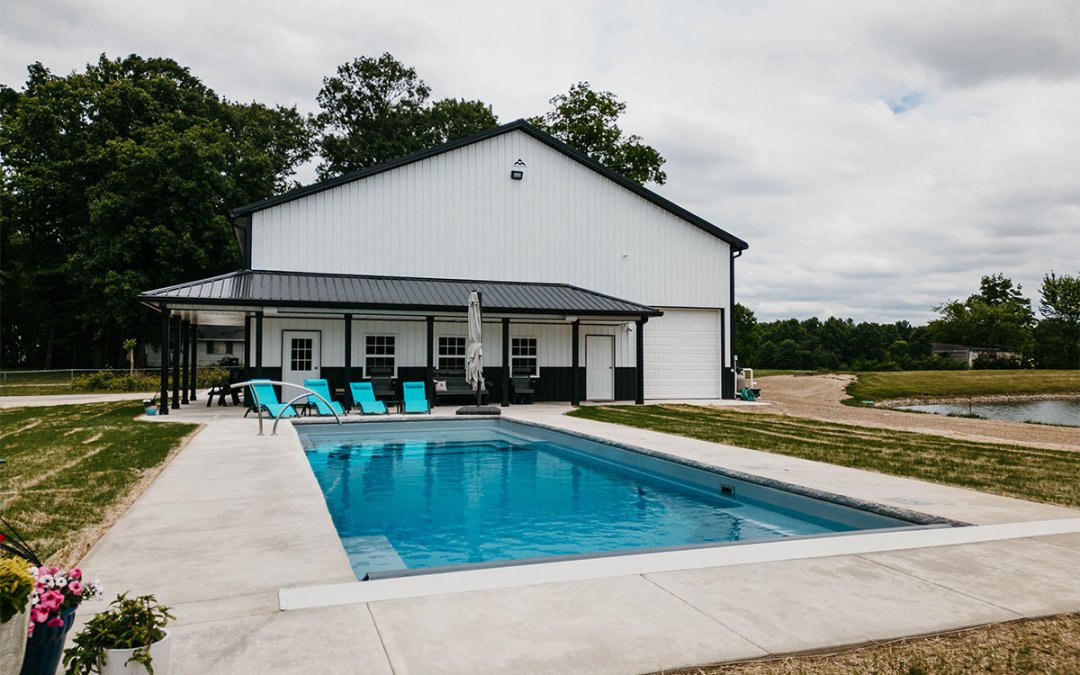
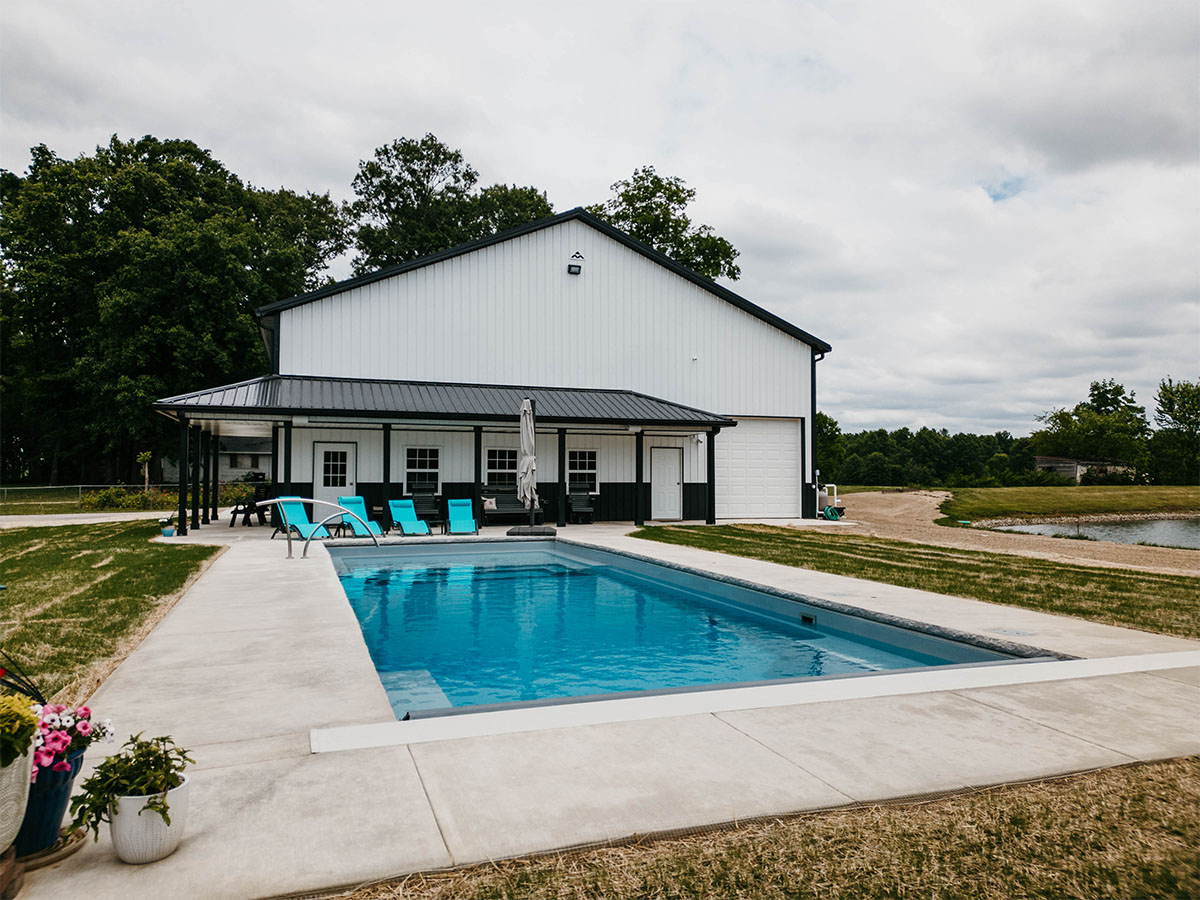
Pool house buildings today are more versatile than ever. What do you need from yours? A dedicated changing room and bathroom so nobody’s dripping through the house? Covered outdoor space for shade and seating? Storage for equipment, outdoor furniture, and boats or RVs? Maybe a kitchenette or entertaining area for the days when the whole neighborhood shows up. A well-planned post-frame accessory structure or residential building can give you all that and more in a layout that fits the way your family uses it.
Pool House Buildings for Midwest Backyards

Construction Options for a Pool House Building

Many homeowners planning a suburban or rural custom pool house assume traditional wood-framed construction is their only option. Post-frame construction costs less, builds faster, and provides open-span spaces to align with any layout customizations you desire.

Post-frame uses large structural posts anchored into a concrete foundation instead of a continuous wood frame. It’s the same method used for agricultural and commercial buildings, and the advantages carry over directly. Clear-span framing keeps the interior open without load-bearing walls or columns interrupting the floor plan, and foundation systems like Perma-Column® keep wood out of the ground, which is a meaningful advantage next to a pool.

Planning Your Pool House Building Layout

With a wide-open interior to work with, how you divide a post-frame pool house’s space depends on how you want to use the building day to day and on special occasions.
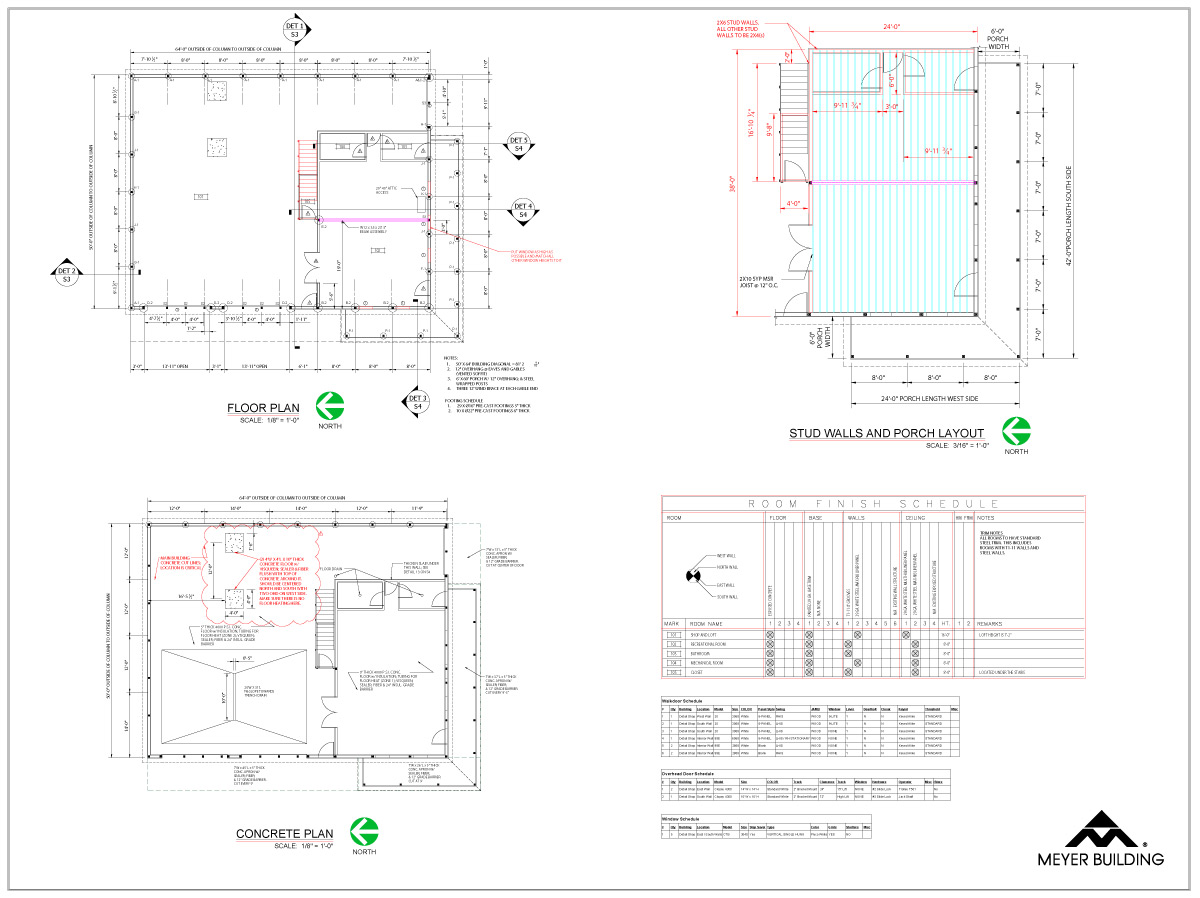
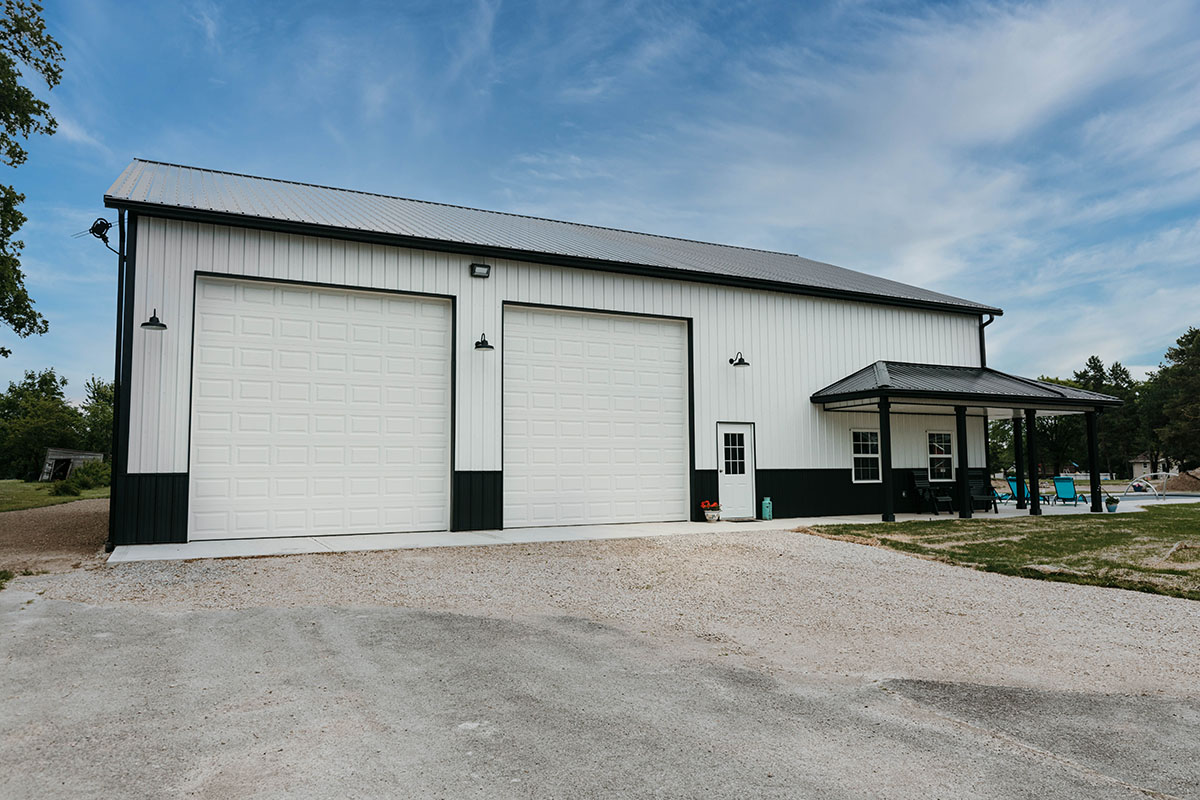
pool house building layout
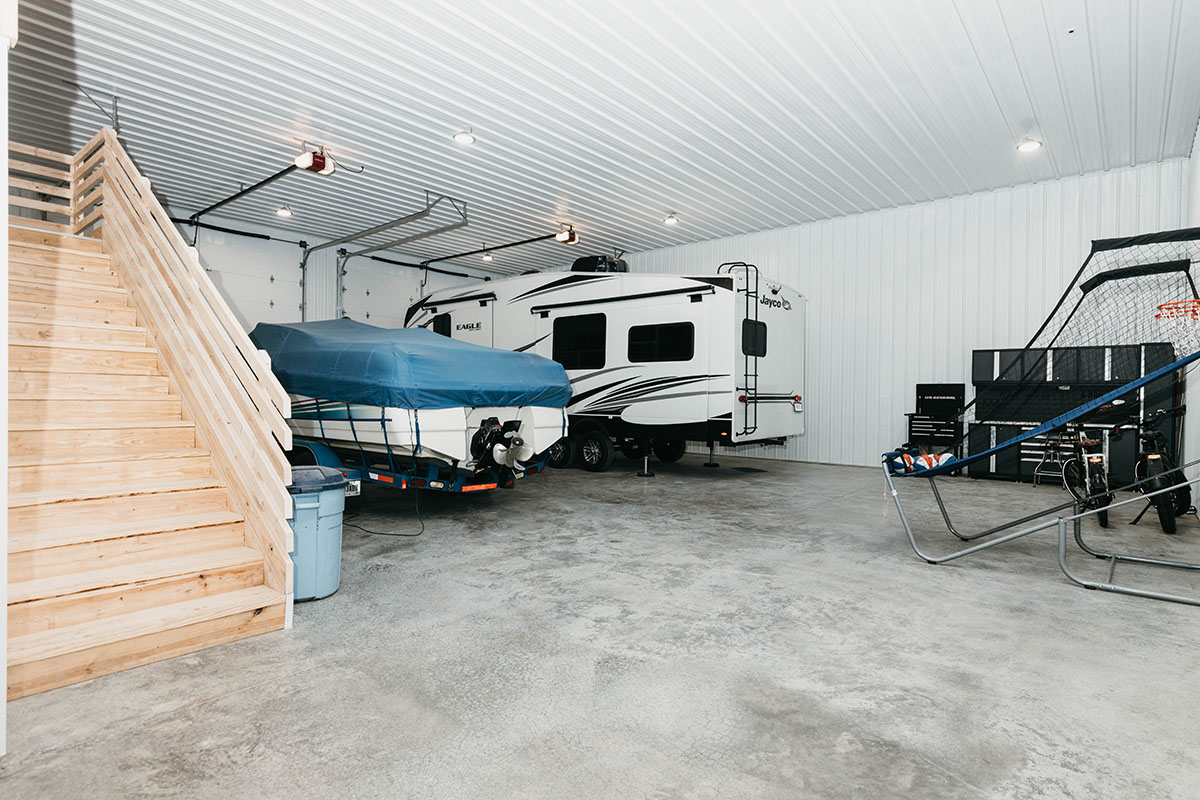
Large overhead doors can make it easy and practical to pull in a boat, RV, or other equipment and still have room for pool tools, lawn gear, and seasonal storage alongside them. 
pool house building overhead doors
pool house building storage
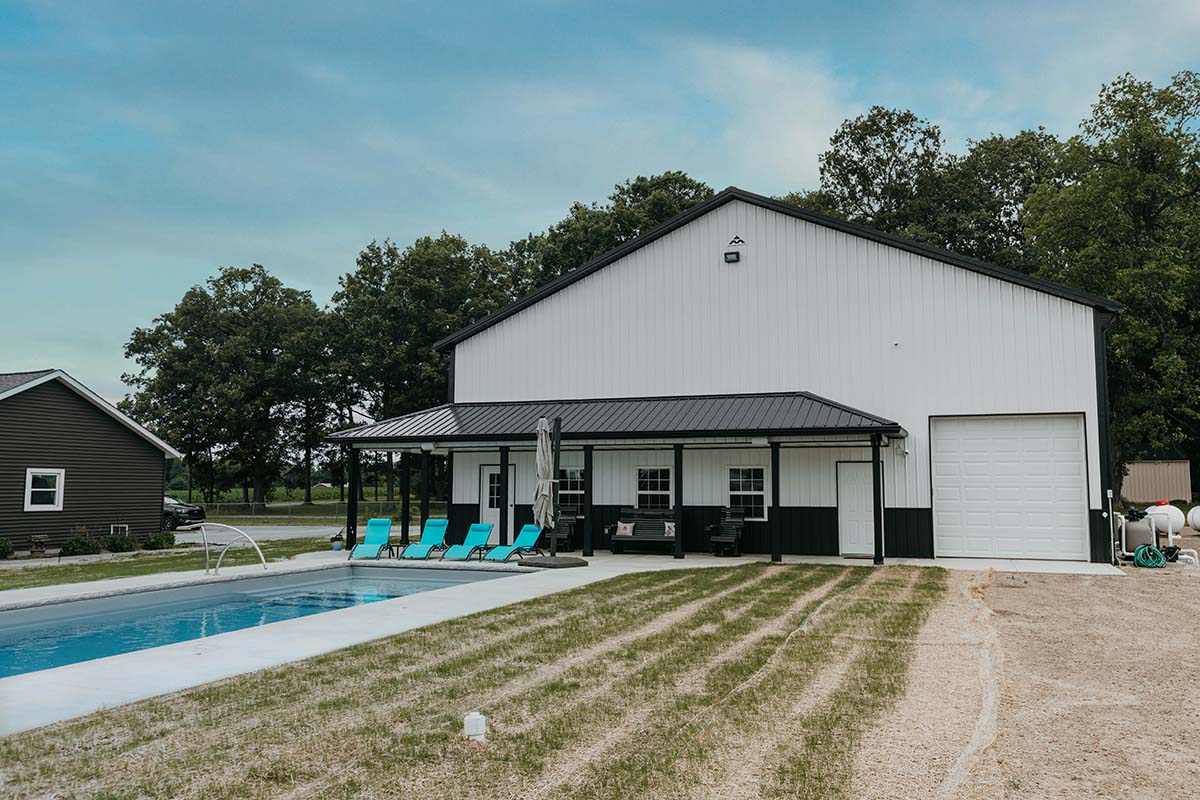
Covered porches on one or more sides extend the usable footprint without adding enclosed square footage, putting shade and seating right where you need it next to the water.
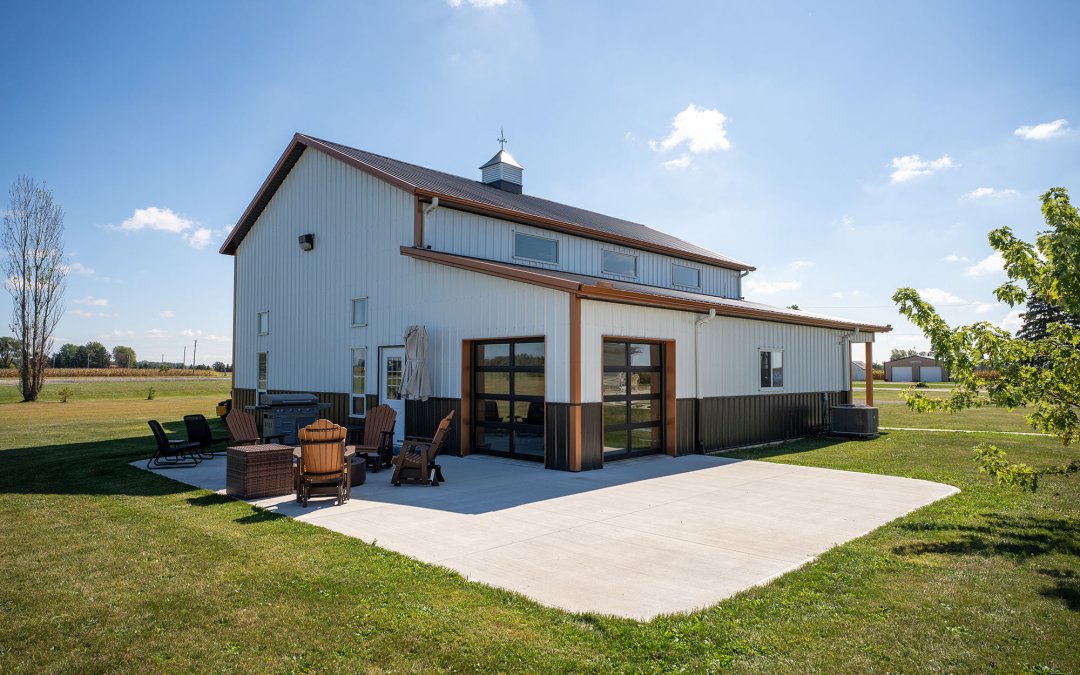
post-frame pool house building
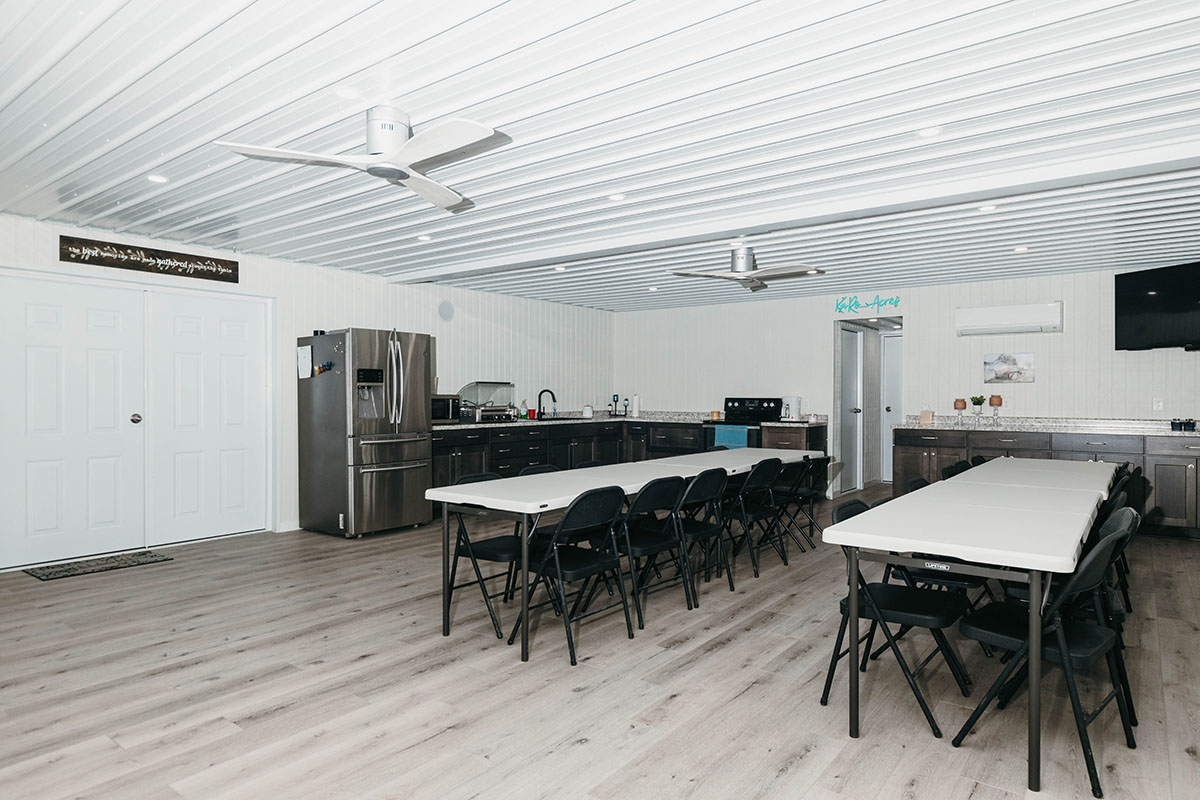
Inside, bathrooms and a full kitchen can be built into their own rooms along one wall to leave the rest of the floorplan’s living areas open for family gathering and recreation space. Radiant floor heat systems keep pool house floors comfortable year-round without taking up wall or ceiling space, so you have more room for other uses.
post-frame pool house building kitchen
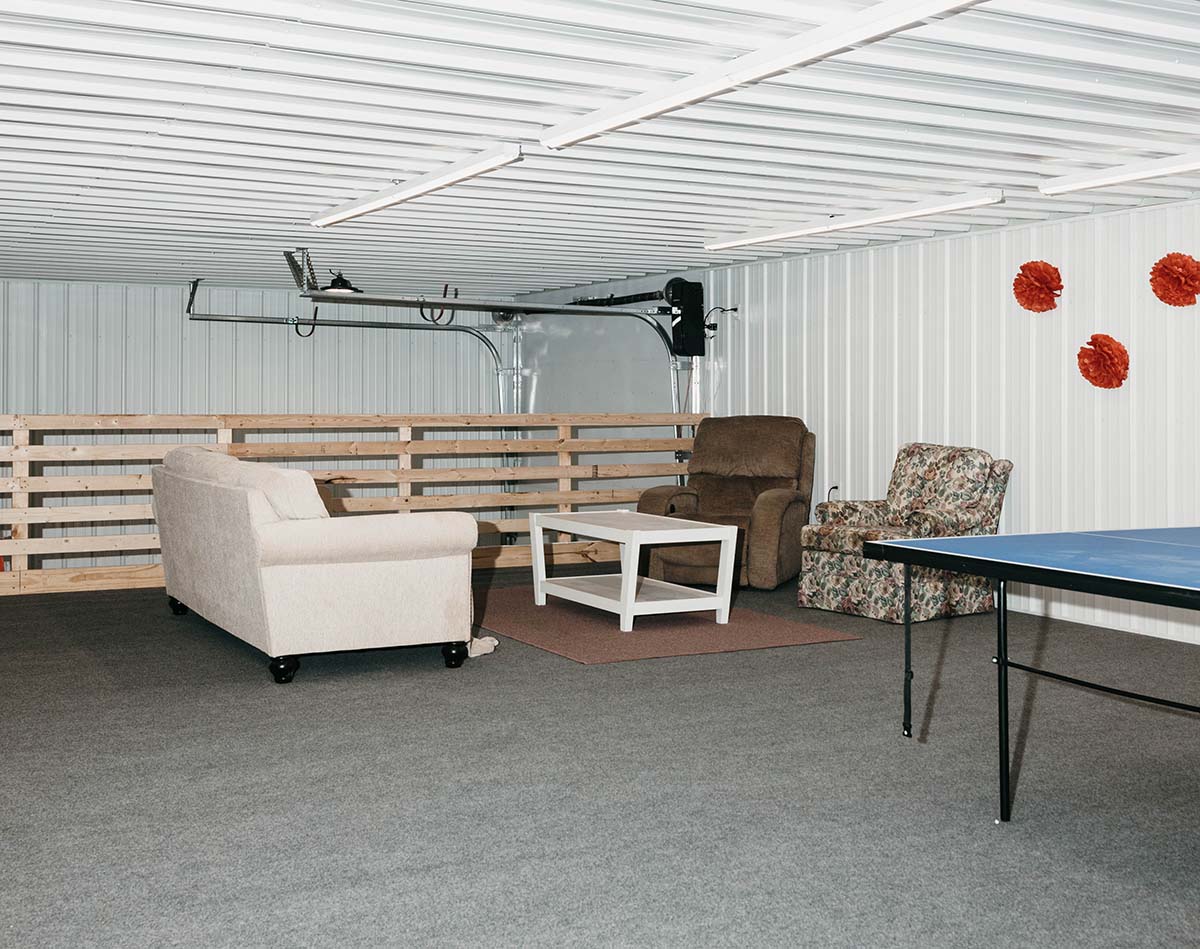
Upper-level lofts add a second level of gathering space without expanding the building’s foundation. A loft area can serve as a recreation room, guest living quarters, or overflow seating with a view of the main floor below.
post-frame pool house building interior

Pool House Building Size and Cost

Most residential pool house buildings run from 30’x40′ to 40’x60′ and larger. The right size depends on what you want inside and how you plan to use it year-round.

Meyer Building designs each pool house building to the specific project, so pricing reflects your scope rather than a standard package. Post-frame construction typically starts from $35 to $50 per square foot, with insulation adding approximately $35 per square foot and additional costs for finishes, mechanical, electrical, and plumbing.

Our online Cost Estimator tool is a good starting point for a ballpark figure before you get into design decisions.

Permitting for Pool House Buildings

Permitting is where suburban pool house projects often slow down or stall. Setbacks from property lines and pool equipment vary by township and county. HOA review can add another layer. If you get the wrong information early, you could be moving the building location after plans are already in motion.

Meyer Building coordinates permitting, code compliance, and the documentation needed for approvals, so you’re not navigating that alone or finding out mid-project that something needs to change.

Pool House Building FAQs

Do you build pool house buildings in my area?
We service Northeast Indiana and Northwest Ohio. See our Service Area page for more information.

How long does it take to build a post-frame pool house?
Timelines vary by size, site conditions, and permitting. Post-frame construction moves faster than traditional construction once the project is approved and underway.

Can I add RV or boat storage to a pool house building?
Large overhead doors and clear-span framing make it straightforward to incorporate vehicle and equipment storage into the same building footprint.

Building Your Pool House with Meyer Building

Meyer Building designs and builds custom pool house buildings across Northeast Indiana and Northwest Ohio. With general contracting capabilities, we can handle design, permits, site prep, foundation, and construction from start to finish, so you’re not coordinating between contractors or explaining the same decisions twice.

If you’re ready to talk through what you want in a pool house building, call (260) 565-3274, contact us online, or explore our recreational and entertainment buildings for more possibilities.
Planning a Custom Residential Indoor Basketball Court & Gym Building

Planning a Custom Residential Indoor Basketball Court & Gym Building

More homeowners across Northeast Indiana and Northwest Ohio are building custom recreational buildings for year-round sports and fitness. These residential pole barns often include an indoor basketball court, home gym, or multi-sport space designed for use in any weather.

Once the decision to build is made, the focus quickly shifts to planning. Court size, ceiling clearance, and building layout determine how well the space supports play, training, and long-term flexibility. That’s where Meyer Building’s experience comes into play.

Understanding how the building will be used is the first step in designing an indoor court that functions well long term.

Building Use Considerations

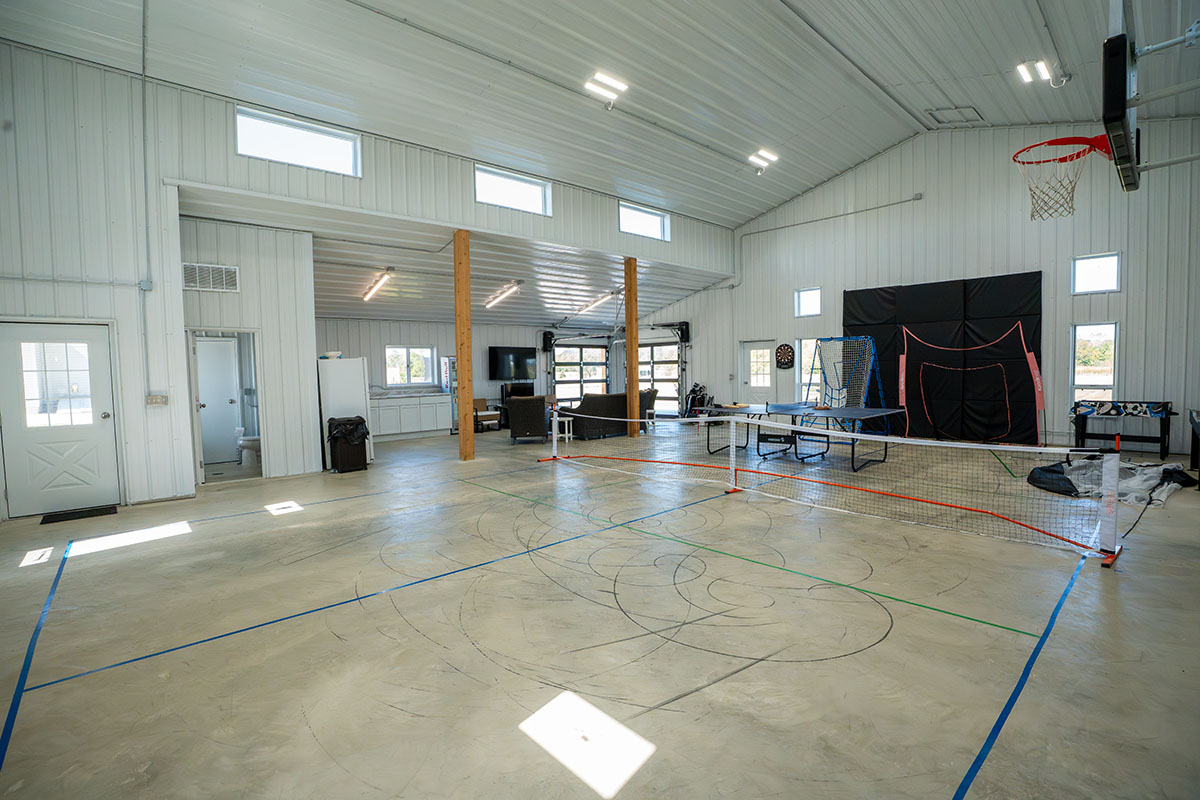
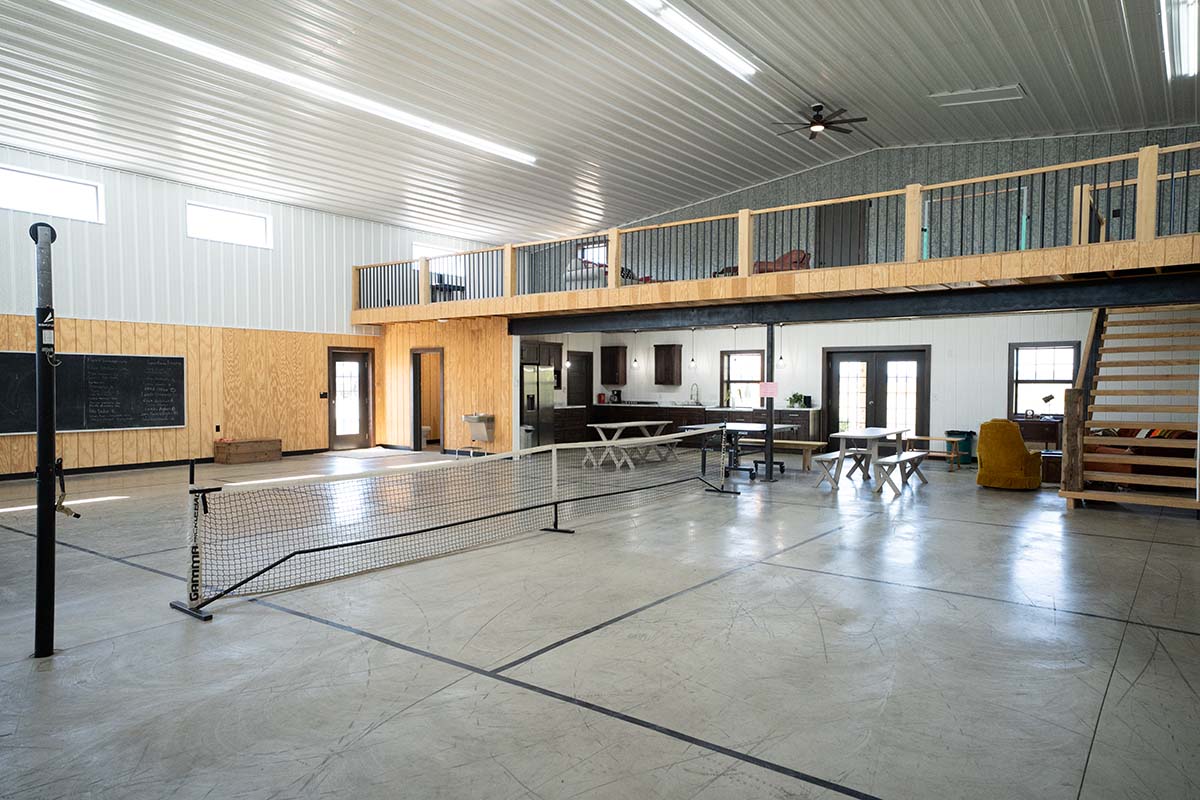
post-frame residential recreation building with pickleball court

Even when sports and fitness are the priority, the building often supports additional uses. Recreation buildings become places for hobbies, gatherings, projects, and storage.

When planning a year-round sports building, we focus on how the space will function both day to day and occasionally.

Key planning questions include:

  • How often will the court or gym be used?
  • How many people will be using the space at one time?
  • Should the court have seating or viewing areas?
  • What types of non-sport uses should the building accommodate?
  • What items will be stored in the building?

Once the building use is defined, the next step is translating those needs into layout and structural dimensions.

Building Layout Options

post-frame recreation building with basketball and pickleball

A custom post-frame building is ideal for an indoor basketball court because clear-span framing removes the need for interior load-bearing walls or columns. The open layout allows the structure to support a range of residential court sizes while leaving room for volleyball systems, pickleball setups, training areas, seating, or open recreation space. Key design decisions include:

Indoor Basketball Court Sizing

Court layout determines the overall scale of the building. A full regulation basketball court measures 50 feet by 94 feet, which is uncommon in residential projects but serves as a planning benchmark. Common residential layouts include:

Shooting or Practice Courts

  • 30’ x 30’ to 30’ x 40’
  • Designed for individual training and youth play

Half Courts

  • 50’ x 42’ to 50’ x 50’
  • One of the most common residential basketball court configurations

Expanded Half Courts or Multi-Sport Courts

  • 60’ x 60’ or larger
  • Allows space for pickleball, volleyball, training equipment, or open recreation use

Court Perimeter & Ceiling Clearance

Run-off space around the court improves both safety and usability. Planning 3 to 10 feet of clearance beyond boundary lines allows players to stop and move safely during play.

Ceiling height should scale with court size and intended use.

  • 16 to 18 feet: Suitable for half-court basketball and recreational play
  • 20 to 22 feet: Supports full-court shooting arcs and overhead lighting or mechanical systems
  • 24 feet or higher: Best for multi-sport courts, volleyball, and suspended training equipment

Activity Zones

Many homeowners choose the indoor basketball court as the anchor feature within a larger recreational layout. The surrounding space often serves multiple purposes beyond active play.

Fitness equipment along the perimeter or in adjacent sections of the building keeps training areas accessible while preserving clear court boundaries.

Lounge areas with flexible seating, kitchens, and restrooms add convenience and are ideal for large gatherings, training sessions, and multi-hour use of the space.

Built-in wall storage, equipment rooms, and overhead loft space help keep balls, nets, furniture, and seasonal items organized without crowding the playing surface.

The building may also include finished interior space such as guest accommodations, recreation rooms, and upper-level viewing areas overlooking the court.

Project Spotlight: The Reinhard Family Recreational Building with Indoor Basketball Court

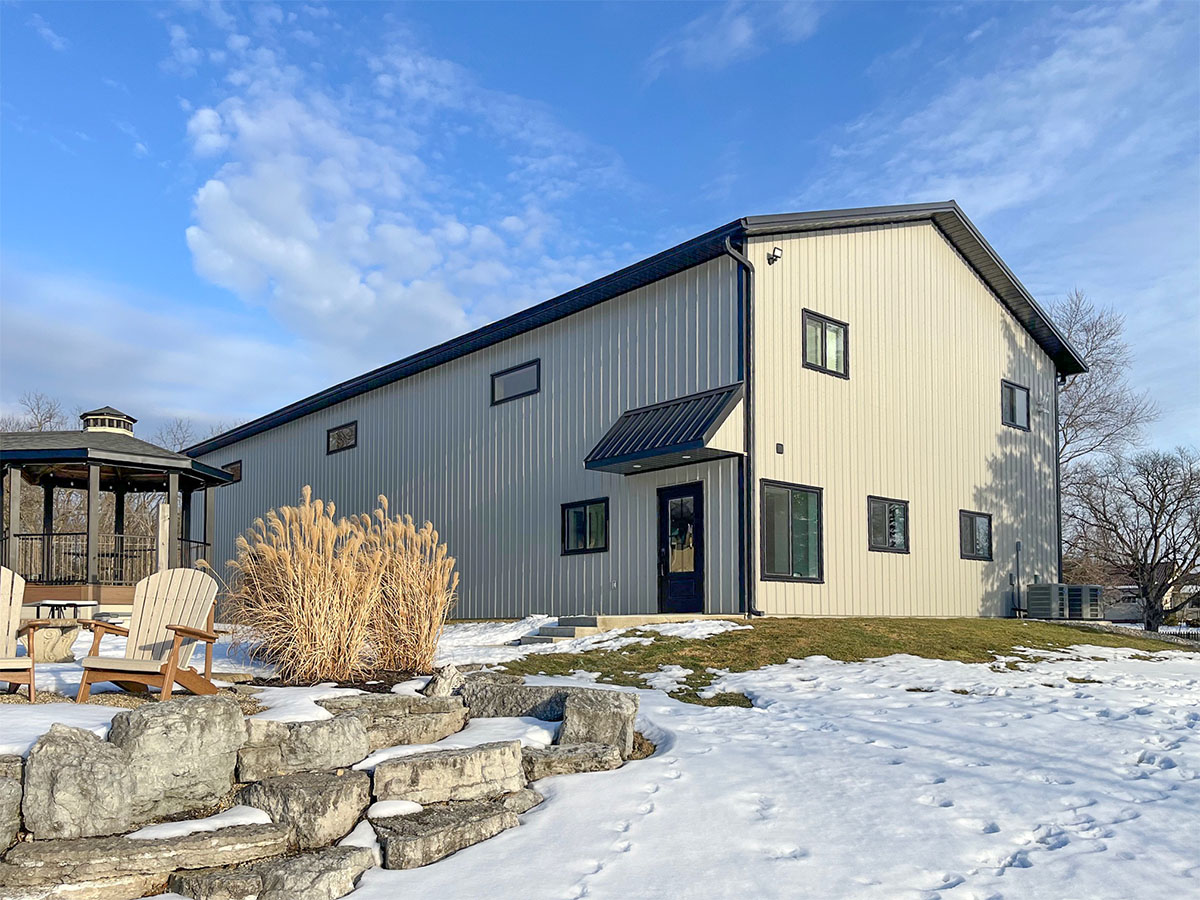
post-frame recreation building

The Reinhard family wanted a high-quality space that supported a busy household of seven and made hosting easier. Their home works well for day-to-day life, but doesn’t give them a comfortable place for larger gatherings, team dinners, and all-season recreation.

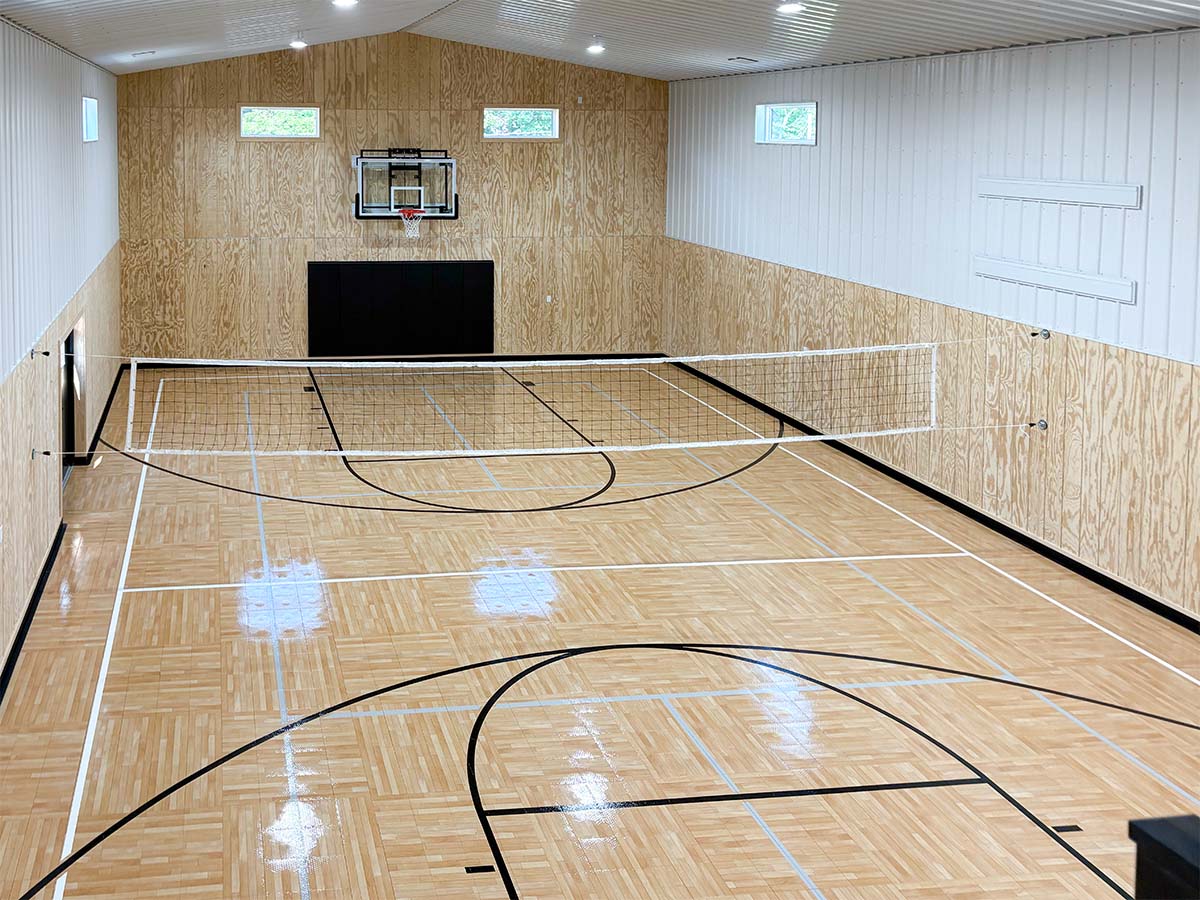
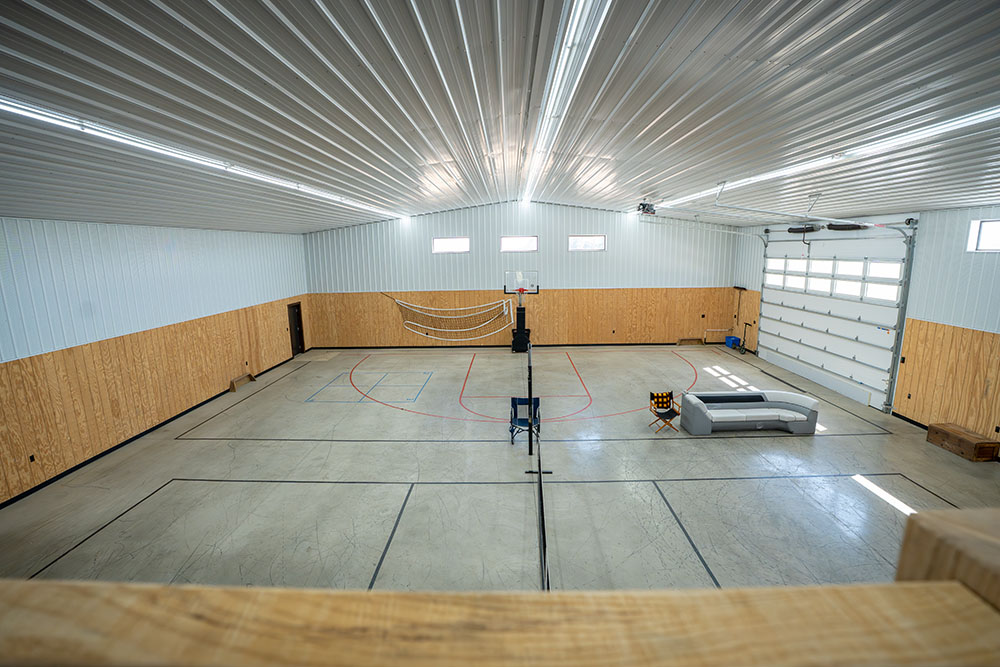
​The family property sits in a floodplain on a busy state road, so the project required careful permitting and site coordination. Meyer Building’s custom design includes a multi-purpose, post-frame recreation building with a 2,880-square-foot footprint split into two clear zones. About three-quarters of the space supports sports and open recreation. With 18’ ceilings, the family uses it as a basketball gym with goals at both ends and a volleyball net system in the center. The remaining quarter includes a two-level living zone with a downstairs lounge and an upstairs space overlooking the court with a guest bedroom, TV area, and a ping-pong table.

post-frame residential indoor basketball court

​The family uses the building daily, whether to host sleepovers, welcome out-of-town guests, or plan large events like graduation parties. Even during sub-zero winter weather, the finished space stays warm with forced-air heating and cooling.

The project tested the value of a post-frame builder and contractor who solves problems fast. Just before permit pull, the team discovered an Army Corps easement that cut through the site. Meyer Building adjusted the building footprint, revised the plan, and coordinated a retaining wall strategy to keep the project moving without long delays.

​Inside, the family wanted a tough wall finish for gym use, but disliked the rough texture of standard T1-11 panels. Meyer Building took an innovative approach, sanding every sheet so the gym walls feel smoother and more comfortable for active play and daily use.

​A smart mix of planning, coordination, and customization makes the difference in a recreation building that truly fits a family’s life and vision.

Build a Residential Indoor Basketball Court & Gym Building with Meyer Building

Your residential building should fit your property, your family, and your long-term plans. Meyer Building designs and builds custom post-frame residential projects across Northeast Indiana and Northwest Ohio with sports court solutions that get families in the game.

If you want an indoor court, a golf simulator setup, or a home fitness space your family can use all year, call (260) 565-3274 or reach out online today. We’ll talk through your goals and help you turn the right features into a plan you’ll feel proud to use for years.

Residential Pole Barn Trends for 2026

Residential Pole Barn Trends for 2026

No one wants to build something that looks outdated, doesn’t match their property, or no longer works for them a few years down the road. Looking at current residential pole barn trends helps homeowners understand which design choices will ensure they have no regrets long after their buildings are finished. In 2026, post-frame residential building designs will continue to evolve beyond purely functional outbuildings into stylish, versatile structures that reflect how people live, work, and use space on their properties.

Architectural Features and Exterior Details

Residential post-frame building designs in 2026 will include visible architectural upgrades.

Lean-tos and porches are being built into the core design to create covered work areas, shaded gathering spaces, and protected access points. Cupolas and roofline features are adding character and breaking up large roof planes. High-end windows and doors are bringing more natural light into interiors while giving the building a more finished, residential appearance.

Mixed exterior materials are also becoming more common. Metal siding paired with wood accents, stone bases, and layered trim systems add depth and visual interest, helping the building feel connected to the home and landscape instead of standing apart as a purely functional structure.

Sustainability and Energy Efficiency

Energy performance is becoming part of baseline design, not a specialty feature.

High-performance insulation, efficient doors and windows, and tighter building envelopes are now standard expectations for residential post-frame projects. Homeowners want buildings that stay comfortable year-round without excessive heating or cooling costs.

Some owners are also planning roofs and layouts that allow for future solar integration, even if they are not installing systems immediately. The focus is not on experimental features, but on practical long-term efficiency and operating cost control.

Multi-Functional and Hybrid Spaces

multi-functional residential pole barns

Single-purpose buildings are becoming less common.

Residential pole barns in 2026 are often designed to serve multiple roles: workshop, hobby space, gym, studio, storage, or recreational space. Open interior layouts and high clear spans allow the building to adapt over time without structural limitations.

This flexibility is driving design decisions. Homeowners want buildings that can change with their needs instead of becoming obsolete as lifestyles evolve.

Enhanced Comfort and Interior Finishing

Finished interiors are becoming standard in residential builds that are used regularly.

Insulation, conditioned spaces, polished concrete floors, radiant heat, and built-in cabinetry are common upgrades. Lighting is more deliberate. Electrical layouts are planned for real equipment use.

These improvements are driven by behavior. The more time people spend in the building, the more it needs to function like a real workspace, not a basic shell.

Outdoor Living and Covered Extensions

residential pole barn covered extensions

Covered exterior spaces are becoming part of the overall design.

Porches, lean-tos, and patio extensions are being added to create transitional areas for gatherings, storage, and outdoor use. These features expand usable space while softening the transition between indoor and outdoor environments.

They also make the building more versatile without increasing enclosed square footage.

Smart Tech Integration

Technology is becoming part of residential pole barn design in practical ways.

Smart lighting, climate control, security systems, and remote monitoring are making these spaces easier to manage and more efficient to operate. The goal is convenience and control, not complexity.

These systems support daily use rather than adding novelty features.

Personalized and High-End Details

residential pole barn high-end details

Customization is becoming more refined.

Architectural steel, wood accents, custom interior finishes, signage, and tailored design details are being used to reflect personal interests and lifestyle. These buildings are starting to resemble custom residential spaces more than traditional barns.

The result is a structure that feels personal, not generic.

What this means for 2026

Residential pole barn design in 2026 is defined by quality, function, and long-term usability.

Homeowners are building spaces that:

  • Feel comfortable in every season
  • Support more than one use
  • Fit naturally into a residential setting
  • Continue to work as life changes 

The trend is not about bigger buildings.

It is about better ones. Call (260) 565-3274 or reach out online to schedule a consultative discussion. 

Buildings and spaces that are meant to be used often, enjoyed regularly, and relied on for years to come.

Ready to Plan Your Post-Frame Residential Pole Barn?

Meyer Building helps homeowners across Northeast Indiana and Northwest Ohio design post-frame residential buildings that feel comfortable, look right on your property, and stay practical for decades.

Post-Frame Workshop Features Homeowners Don’t Regret

Post-Frame Workshop Features Homeowners Don’t Regret

After years of building workshops across the Midwest, we hear the same feedback from satisfied homeowners. The space needs to work hard, feel good to use, and stay flexible as life changes. The right post-frame workshop features deliver that combination from day one and keep paying off as projects evolve.

When people invest in post-frame residential buildings, long-term satisfaction comes from foundational decisions made early in the design process. The features that matter most are often structural, functional, and practical choices that continue to deliver value years after construction.

Based on what homeowners consistently tell us, these are the post-frame workshop features people do not regret building in from the start.

Flexible, Multi-Use Layouts with Clear-Span Construction

Clear-span construction is one of the most valuable tools in post-frame design, and homeowners recognize its impact immediately.

Without interior structural walls, the building becomes a flexible platform rather than a fixed layout. We see workshops that function simultaneously as workspaces, storage areas, vehicle bays, hobby spaces, and project zones. Bathrooms, wash areas, and small kitchen spaces integrate naturally without compromising flow or efficiency.

As needs change, the building changes with them. New uses are added without structural rework. Spaces are reconfigured without limitation. This adaptability is one of the most common reasons homeowners say they would make the same design choice again.

Natural Light Through Strategic Window Placement

Homeowners regularly mention natural light as one of the most appreciated features in their workshop.

Strategic window placement reduces reliance on artificial lighting, improves visibility for detailed work, and creates a more comfortable environment for long work sessions. The space feels more open, more usable, and less fatiguing to spend time in.

In multi-use workshops, window placement becomes even more important. Different zones require different lighting conditions, and good design allows those needs to coexist without compromise.

This is one of those features homeowners do not always prioritize at the planning stage, but almost always appreciate afterward.

Loft and Mezzanine Spaces That Create Options

post-frame workshop loft and mezzanine

Lofts and mezzanines consistently become some of the most versatile areas in a workshop.

We see them used for offices, fitness areas, lounges, hobby rooms, storage, and quiet workspaces. They allow secondary functions to move upward, preserving the openness and efficiency of the main floor.

They create separation without enclosure while opening new possibilities for how the space can be used. The building feels more organized, more structured, and easier to move through.

Homeowners value these spaces because they expand what the workshop can be without taking away from its core function.

Integrated Utilities That Support Real Use

post-frame workshop utilities

Utilities are one of the clearest dividers between a basic building and a truly functional workshop.

When power, water, ventilation, drainage, and climate control are planned from the beginning, the building becomes a space people actually use daily. Restrooms, wash areas, floor drains, proper airflow, and reliable temperature control change how the workshop fits into everyday life.

Projects become easier to manage. Cleanup stays contained. Equipment functions properly. The space becomes usable year-round rather than seasonally.

Homeowners consistently tell us they are glad they planned utilities early, because retrofitting them later is costly and disruptive.

Interior Finishes That Change How the Space Feels

post-frame workshop interior finishes

Interior finishes are often underestimated, but they play a major role in comfort and usability.

Finished walls and surfaces reduce echo, soften noise, improve acoustics, and make the space more comfortable to work in for extended periods. Light reflects better. Sound control improves. The workshop feels more refined, more usable, and more intentional.

We also see the benefit outside the building. Noise stays contained, which matters when equipment runs late or neighbors are nearby.

Homeowners do not regret interior finishes because they change the daily experience of the space, not just its appearance.

Porches and Lean-Tos That Add Functional Space

Covered exterior areas consistently become some of the most heavily used parts of a workshop.

Porches and lean-tos provide protected space for equipment, materials, staging, loading, unloading, and outdoor projects. They support daily workflow without adding enclosed square footage.

They also protect access points from weather exposure, reducing long-term wear on doors and building surfaces.

These spaces improve efficiency and increase durability over time. Homeowners appreciate them because they solve real, everyday problems.

Experience Shapes Better Buildings

Design alone does not create long-term satisfaction. Execution matters.

The difference between a workshop that simply exists and one that performs well for decades comes down to planning, craftsmanship, and experience. Builders who understand how people actually use these spaces design differently. They ask better questions. They anticipate needs. They integrate features properly rather than adding them as afterthoughts.

The residential buildings and workshops homeowners value most are not defined by one feature. They are defined by how well all of the decisions work together over time. Call (260) 565-3274 or contact us online to start your consultative discussion.

Why Steel Matters in Your Post-Frame Building

Why Steel Matters in Your Post-Frame Building

When planning a post-frame commercial building, a major concern our clients have is how long it will last. Our buildings have consistently held up for many decades thanks to high quality building materials. Steel is like your post-frame building’s armor, shielding your investment from weather extremes and heavy use. That’s exactly why steel matters in your post-frame building. That said, not all steel is equal.

Premium Steel Panels: Proven Results

Meyer Building uses steel panels from McElroy Metal, a leading post-frame steel manufacturer in the nation. Backed by a non-prorated and labor-inclusive warranty, their 29-gauge, heat-treated, full-hard, high-tensile steel has a minimum yield strength of 80,000 PSI for high-strength resilience and dent resistance.

We specify Silicone-Modified Polyester (SMP) as our standard steel panel paint system for post-frame applications. SMP paint delivers durable, long-term value with strong UV protection, scratch and weather resistance, and a broad palette of 34 fade-resistant colors to complement existing structures and brand palettes.

For customers who want maximum color hold and chalk resistance, Kynar 500® polyvinylidene fluoride (PVDF) paint is an available upgrade option. PVDF coatings keep gloss and hue longer in high-sun-exposure applications and help new additions perfectly match original buildings years later.

Why Steel Matters in a Post-Frame Building

When you hear terms like 29-gauge, heat-treated, or high-tensile steel, they may sound technical, but each one contributes directly to how your post-frame building performs and lasts.

29-Gauge Thickness

A 29-gauge panel strikes the right balance between strength, flexibility, and efficiency for most Midwest agricultural, commercial, and community uses. It’s thick enough to handle wind, impact, and everyday wear without adding unnecessary weight, making it a practical, cost-effective choice for many post-frame projects.

Meyer Building also offers 26-gauge steel as an upgrade option for customers who want added dent resistance, durability, and peace of mind in extra-demanding or unique use cases. In many Midwest post-frame applications, 29-gauge panels deliver the durability, weather protection, and clean appearance you need without added cost or weight.

Heat-Treated, Full-Hard Steel

Heat-treating and full-hard processing increase the hardness of the steel, which improves its rigidity and dent resistance. This means panels hold their shape better under load, stay straighter over time, and resist the small dings that can happen during installation or weather events.

High-Tensile Strength (80,000 PSI Minimum)

Tensile strength measures how much force a material can withstand before it deforms. At a minimum of 80,000 PSI, this high-tensile steel provides exceptional structural integrity and resistance to bending or warping under pressure, from heavy snow loads, wind gusts, and daily stress.

SMP (Silicone-Modified Polyester) Paint Coating

SMP coatings are Meyer Building’s preferred standard for post-frame steel paint. They offer a durable finish that resists scratching and weathering while providing strong UV protection. Though less fade-resistant than PVDF, SMP coatings still deliver excellent performance and long-term value in most climates.

Kynar 500® (PVDF) Paint Coating

Kynar 500® holds its gloss and hue even after years of sun exposure, so the building maintains a like-new appearance far longer than panels with standard paint systems. If future expansion is a possibility for your building down the line, we recommend Kynar 500® paint for consistency and uniformity between the original structure and the building addition.

McElroy Metal Kynar on Building Addition

Post-Frame Steel FAQs

What does steel gauge mean, anyway?

The gauge refers to the steel’s thickness, with lower numbers indicating thicker steel. Most post-frame builders will offer 29- or 26-gauge steel. It’s helpful to know that not all steel panels are equally constructed. Some suppliers’ steel panels are at at the thin end of the allowable range, and may include the paint layer in the measurement rather than just the steel substrate. 

Does thicker steel automatically mean better quality?

Not necessarily. While thicker panels can add weight, the real indicator of quality is tensile strength—how much force the steel can take before it bends or dents. A well-made 29-gauge panel with high-tensile, heat-treated steel can outperform a thicker panel made from softer material.

What makes 29-gauge steel a good choice?

It’s engineered to balance strength and efficiency. 29-gauge panels are thick enough to stand up to wind, snow, and impact, but light enough to avoid putting stress on the framing system—ideal for large spans and agricultural or commercial applications.

How long do steel panels last?

With high-tensile, heat-treated steel and durable factory coatings, properly installed post-frame panels can last for decades. When maintained and kept free of debris, their strength and finish protect the structure far longer than many traditional materials.

Why focus on tensile strength instead of just gauge?

Tensile strength (measured in PSI) tells you how much pressure the steel can withstand before deforming. Our panels meet or exceed 80,000 PSI, which means they’re engineered to stay straighter and last longer under the demands of wind, snow, and temperature swings.

What kind of warranty protection is included?

The steel we use from McElroy Steel comes with a non-prorated, labor-inclusive warranty that covers both material performance and finish durability. We walk you through the details so you know exactly how your investment is protected from the start.

The Bottom Line: Meyer Building is a Top Choice for High-Quality Steel

Steel defines how your post-frame building stands the test of time. With premium 29-gauge panels, high-tensile strength, and durable paint finishes, you get the lasting protection and polished look your investment deserves. McElroy Metal’s proven materials offer dependable performance and color options, while Meyer Building brings it all together with craftsmanship.

Let’s talk about what you’re planning. Call (260) 565-3274 or connect with Meyer Building online to start planning a post-frame commercial building built to perform for decades.