Post-Frame Office & Showroom Design Ideas for Modern Commercial Spaces

Post-Frame Office & Showroom Design Ideas for Modern Commercial Spaces

Many commercial building projects look fine on paper, but end up over budget, behind schedule, and feel boxed-in when teams grow, inventory shifts, or customers begin moving through the space. Post-frame construction supports flexible layouts and faster openings for professional offices and customer-ready showrooms. Thoughtful and intentional post-frame office and showroom design ideas can create a commercial space that works on opening day and stays useful as your business grows and changes.

Why Post-Frame Works So Well for Offices and Showrooms

When you are planning a commercial office or retail showroom, the structure should support your operations and efforts. Post-frame construction is up for the job and answers the call with benefits that are tangible and repeatable across industries. 

Faster Path to Opening Day

Post-frame crews can often move from sitework to dry-in quickly, which helps hit your timeline and reduces the risk of long delays when lease transitions, staffing plans, and launch dates are often already in motion.

Layout Flexibility That Stays Useful

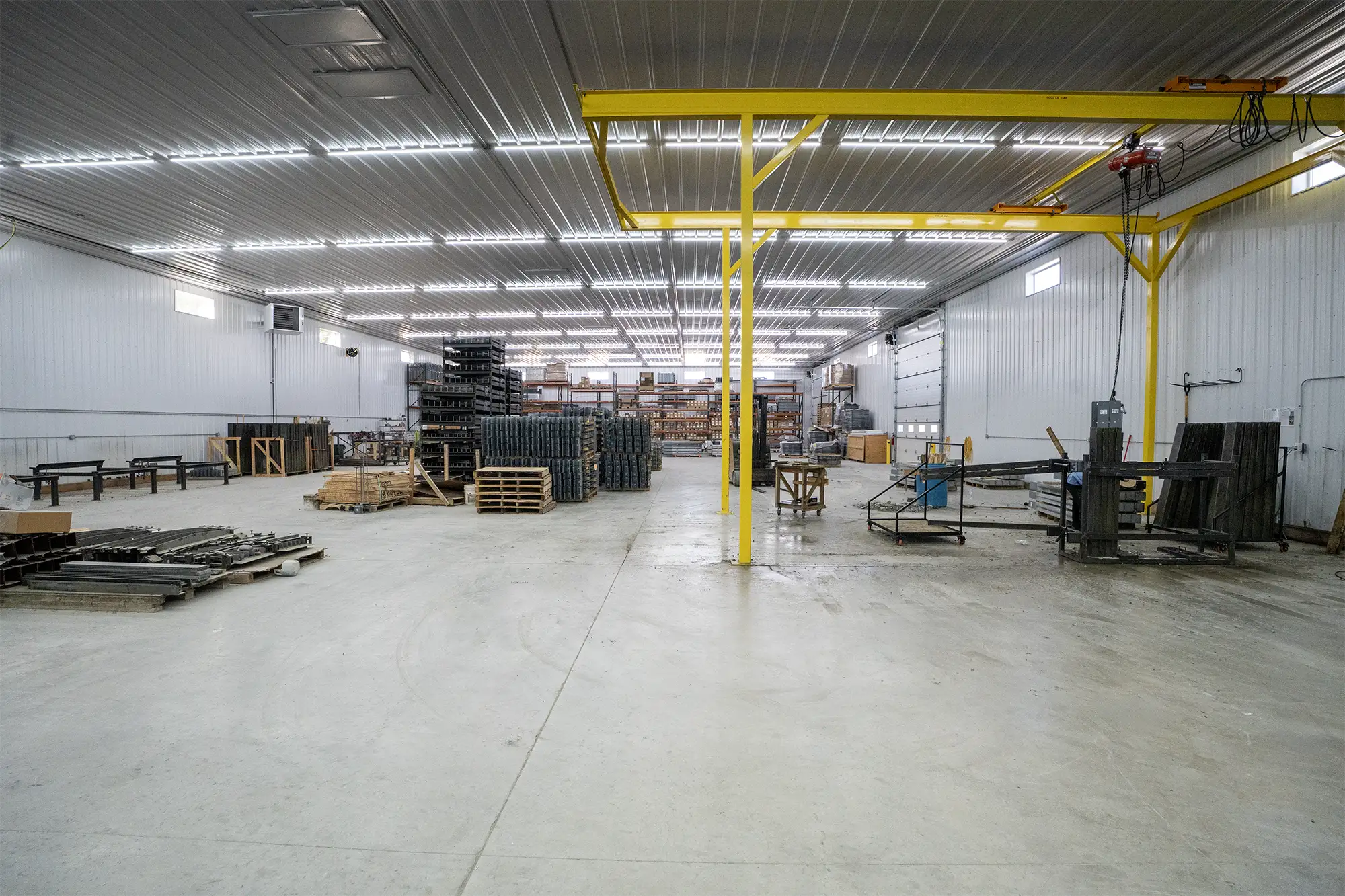
Because structural columns carry the roof load, you can create wide, open interiors with clear sightlines and customer paths. No interior load-bearing walls creates flexibility to rework offices, meeting rooms, or display zones later without major renovations and remodeling costs or downtime.

Better Control of Operating Comfort & Costs

Post-frame supports deep wall cavities for insulation and ventilation planning to help manage moisture and comfort. An insulated and comfortable building is easier to staff, easier to shop in, often less expensive to operate, and drives business by enhancing the customer experience.

Durability with Less Maintenance Drama

Low-maintenance exterior systems and durable materials protect curb appeal and keep your building looking sharp long after the grand opening.

Post-Frame Office Building Design Ideas

Modern Post-Frame Offices

modern post-frame offices

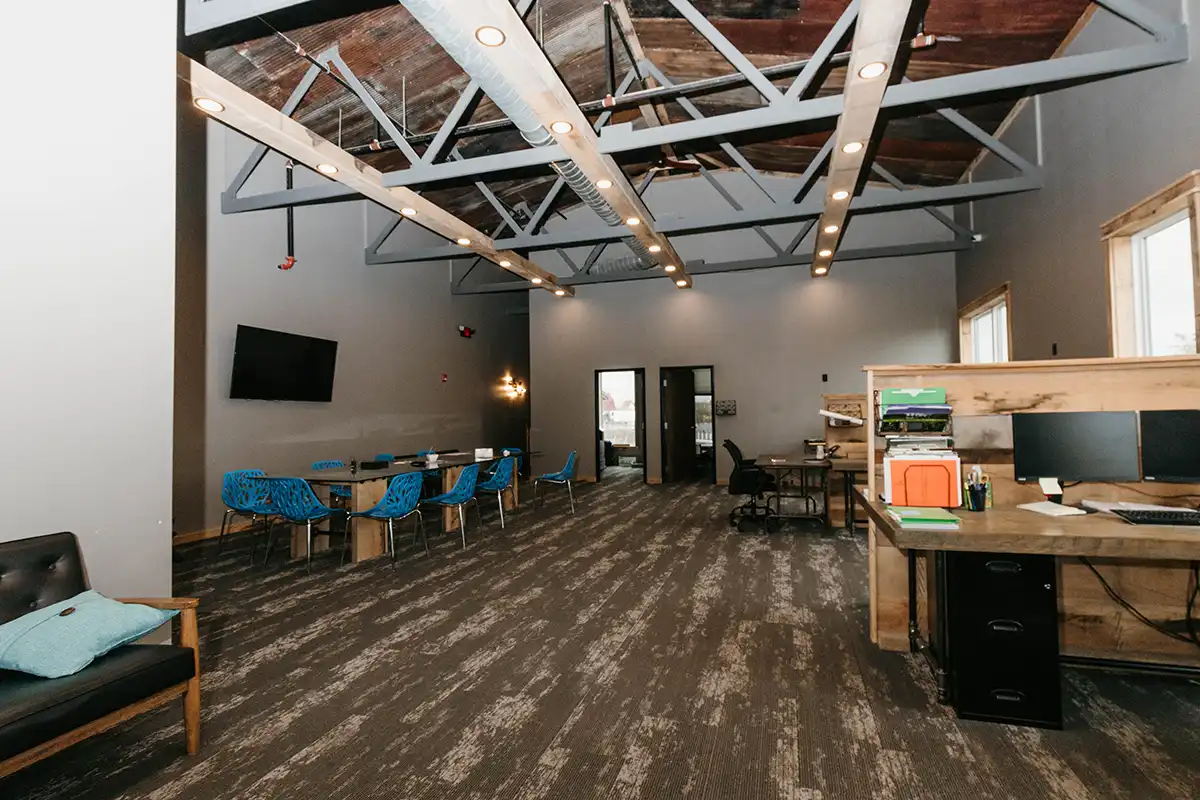
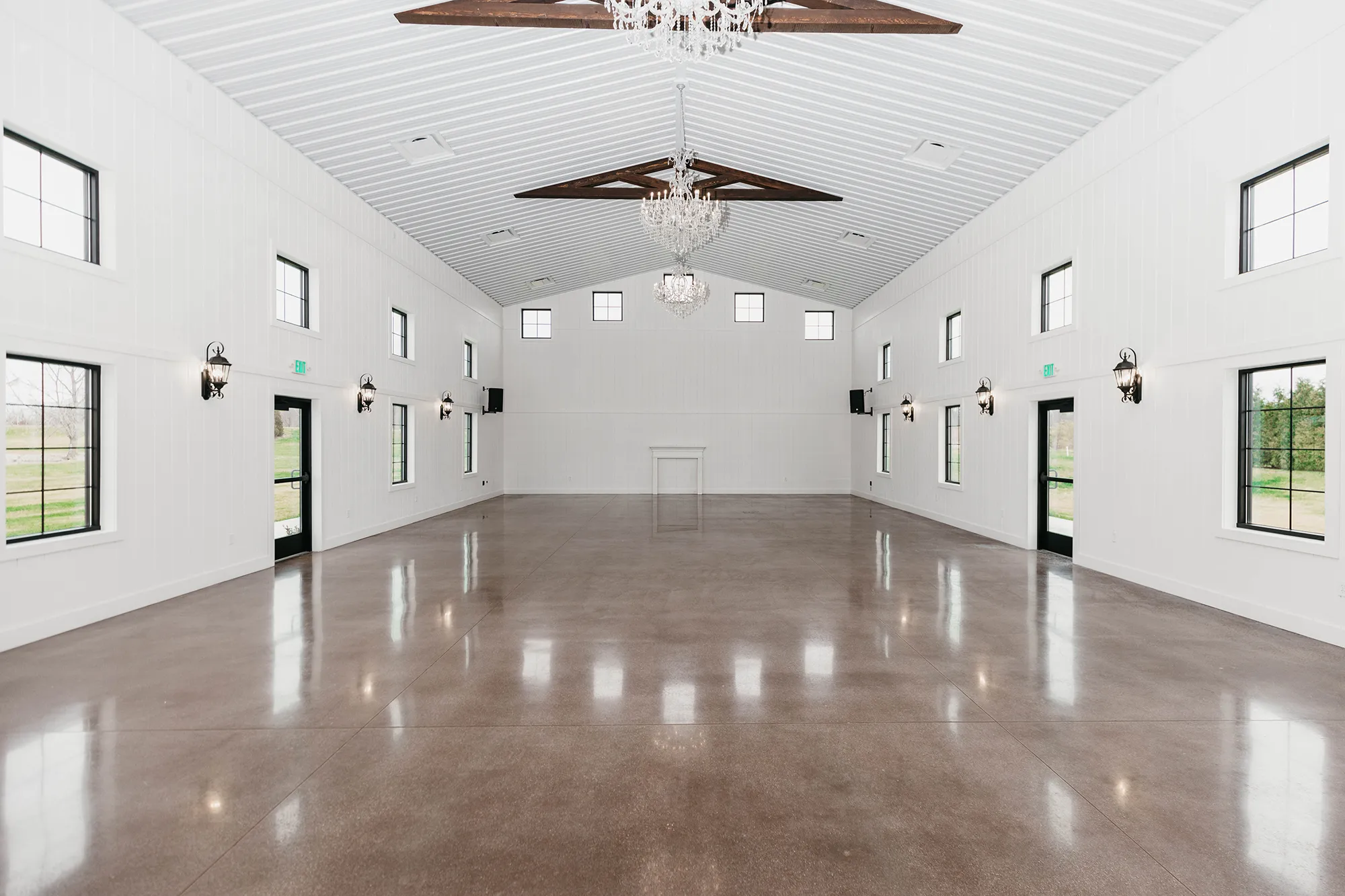
Open offices work best when the structure stays out of the way. Post-frame clear spans help you keep sightlines clean and create flexible work neighborhoods that can shift with your team.

Picture a growing operation that starts with a small sales staff and later adds project managers and customer support. With a clear-span interior, you can reconfigure work zones and add offices or meeting space using partitions, not structural changes. Exposed trusses can also deliver a modern industrial look when you want character without visual clutter. Prioritize natural light in the areas where people spend most of their day so the office feels bright and energized.

Branded Entryways & Customer Welcome Areas

Branded Entryways & Customer Welcome Areas

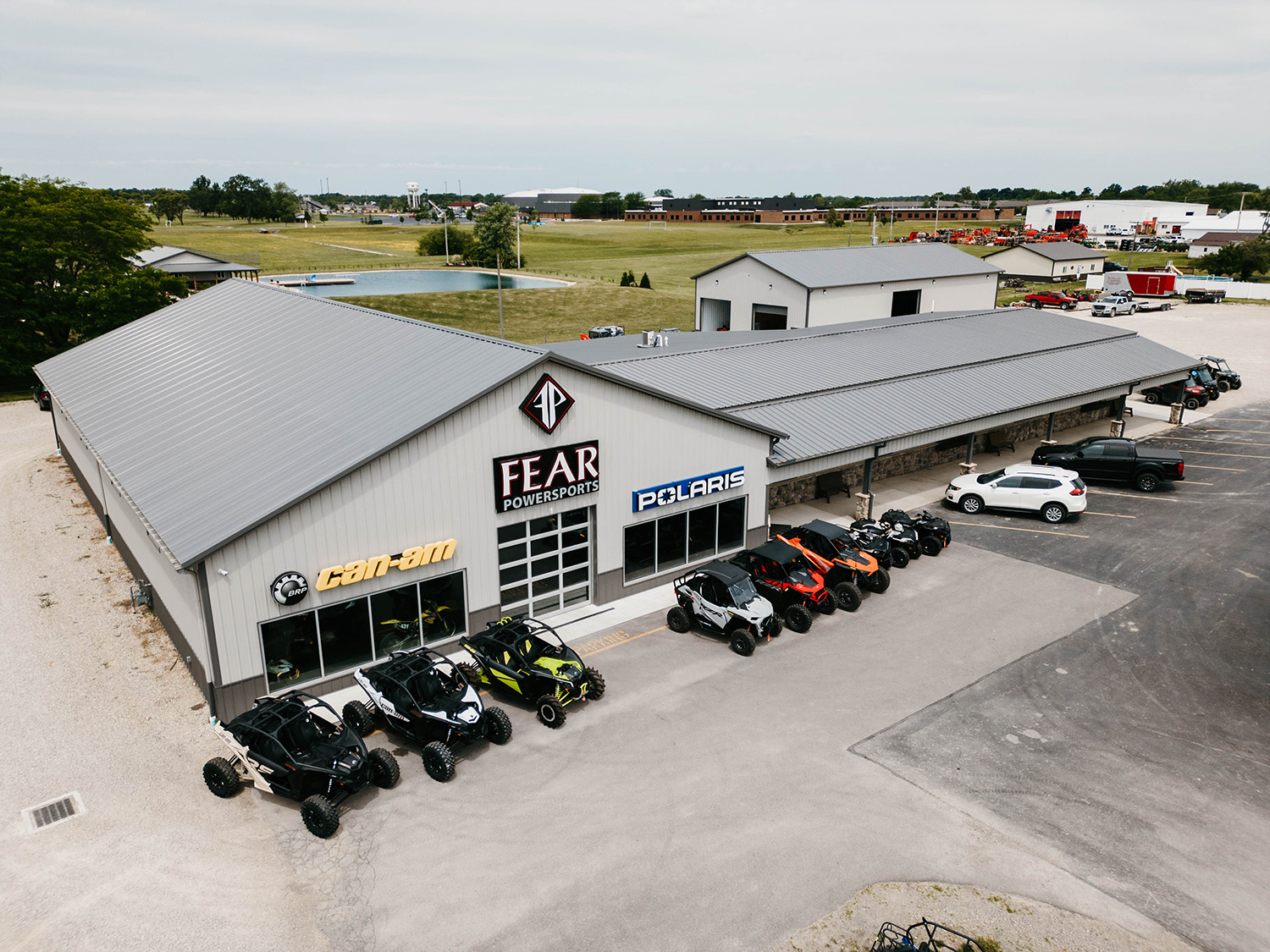
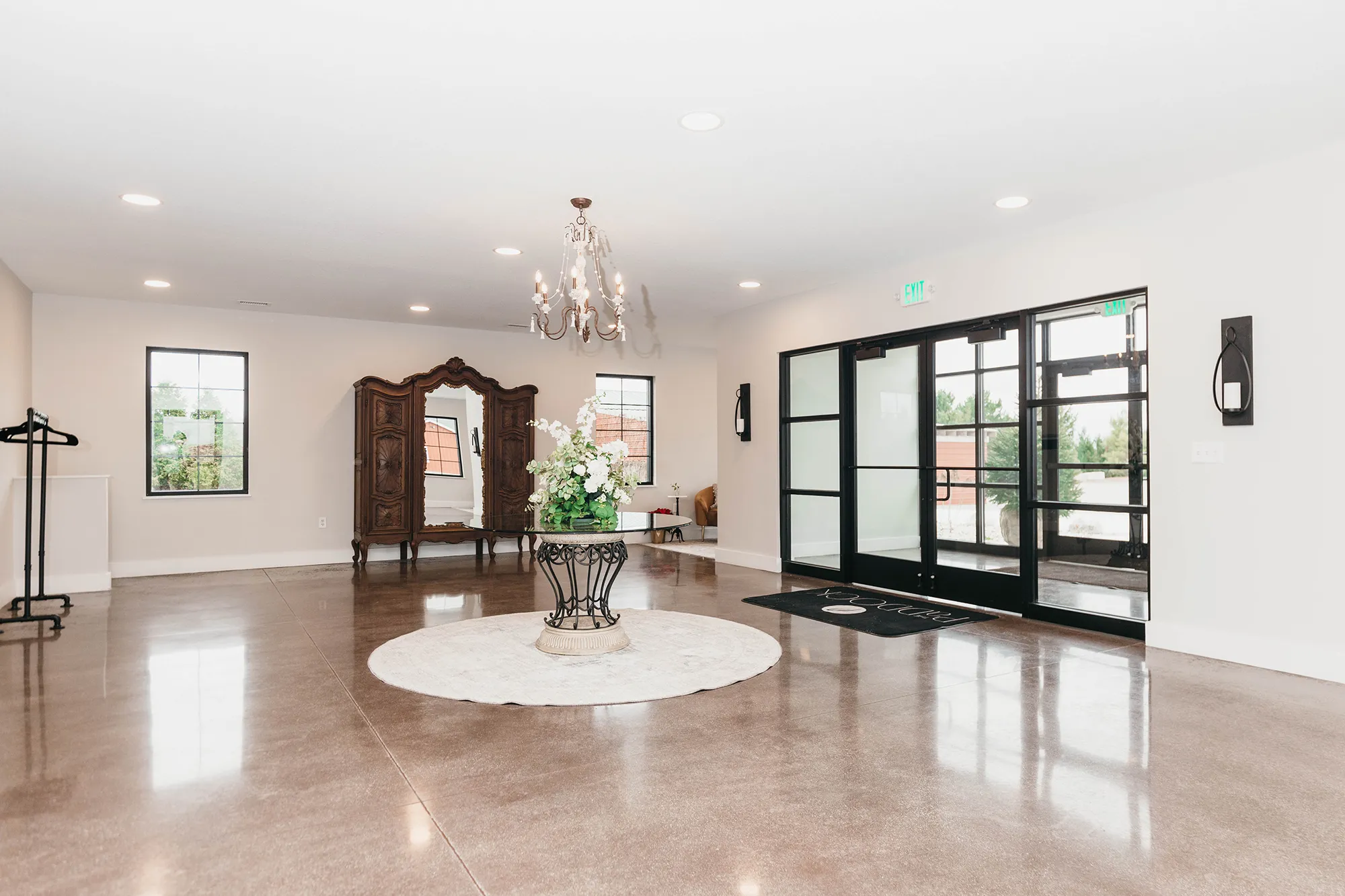
Your entry sets the tone before anyone says hello or shakes a hand. Post-frame commercial construction makes it easy to create a statement entrance with a strong roofline, covered canopy, and bold signage placement.

Use the lobby to do real work for the brand. Add product features, a history wall, or a digital screen so customers understand what you do within the first minute. Ignoring the space that creates first impressions can leave a building feeling cold or confusing, and customers miss the brand moments that build trust.

Private Offices & Collaboration Zones

Private Offices & Collaboration Zones

Most teams need both quiet and connection. Instead of thinking only about layout mechanics, think about noise, privacy, and productivity.

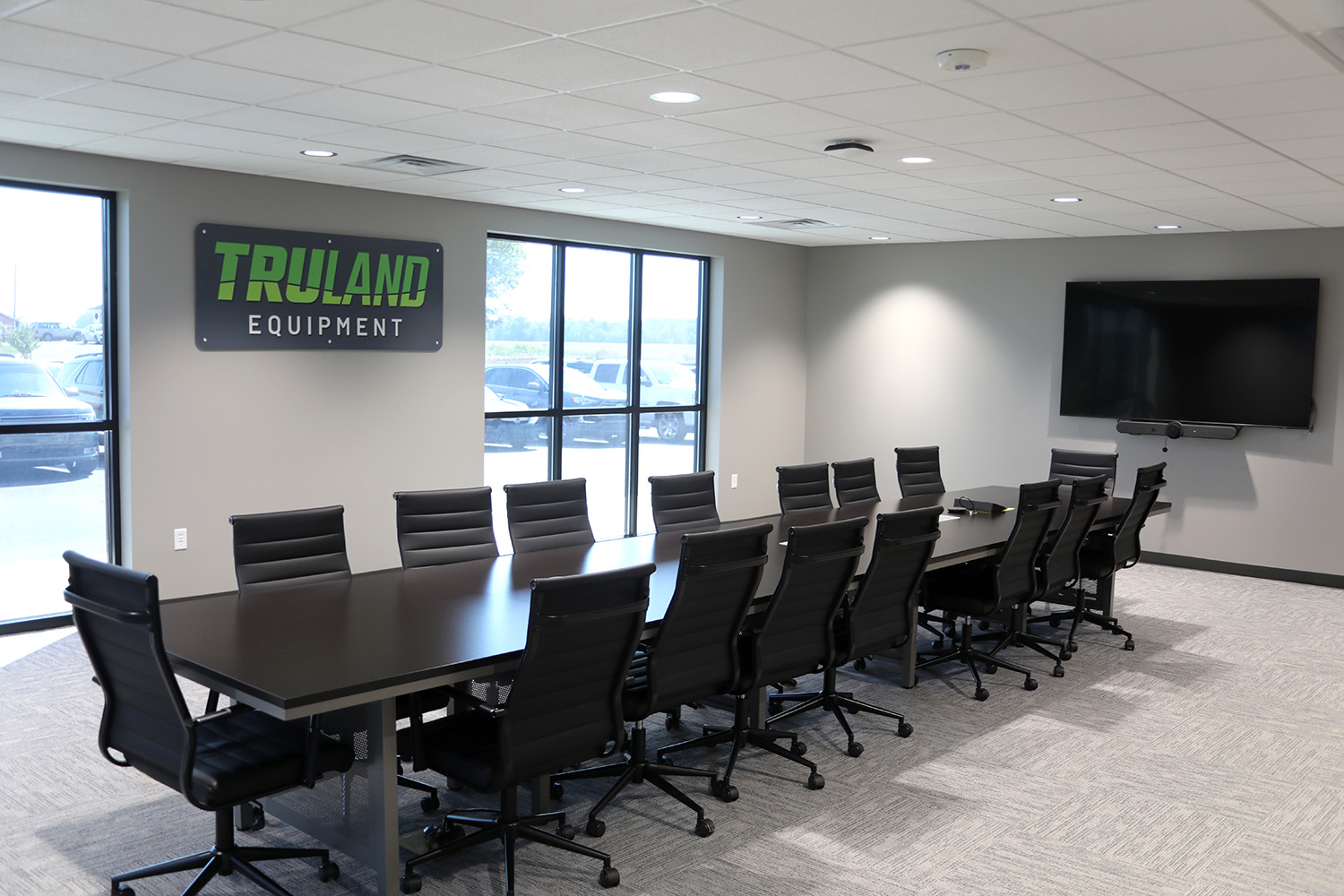
Place private offices where they buffer sound from busy areas. Keep huddle rooms and meeting spaces close to the center of activity so collaboration is easy, but not disruptive. When your headcount grows, you can add offices or re-balance departments without reworking the building’s structure.

Break Rooms & Employee Spaces

Break Rooms & Employee Spaces

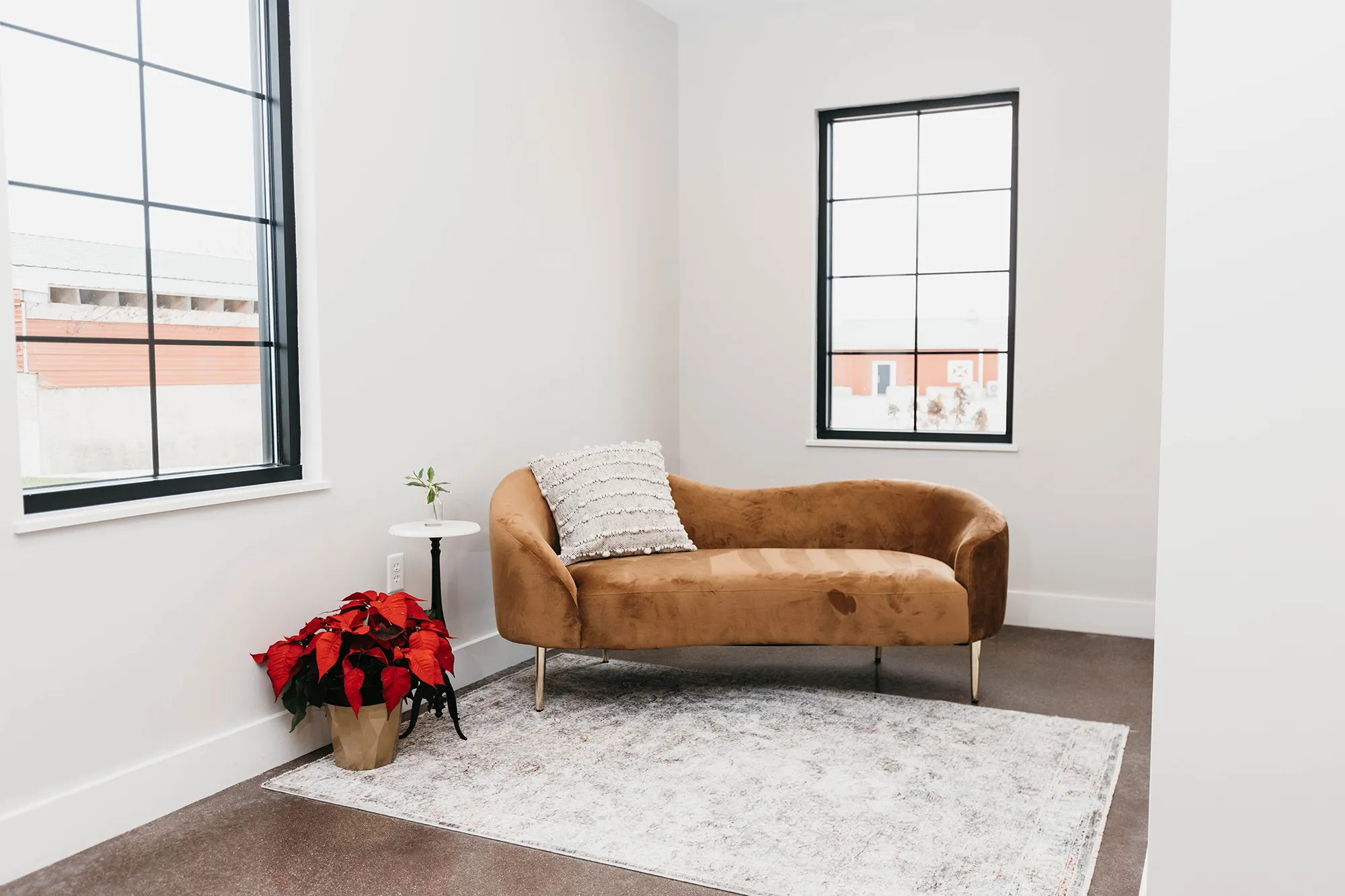
Employee spaces are not “extra.” They impact morale, company culture, and staff retention. A break room that feels intentional tells people you value their presence and expect them to stay.

Post-frame designs can tuck break rooms, locker areas, and training rooms into efficient parts of the plan while keeping the main workspace open. Use warm finishes and durable materials. Add windows where people actually spend time, not just where leftover wall space happens to be.

Post-Frame Showroom Design Ideas


Large, Open Display Areas That Keep Customer Flow Simple

Large, Open Display Areas That Keep Customer Flow Simple

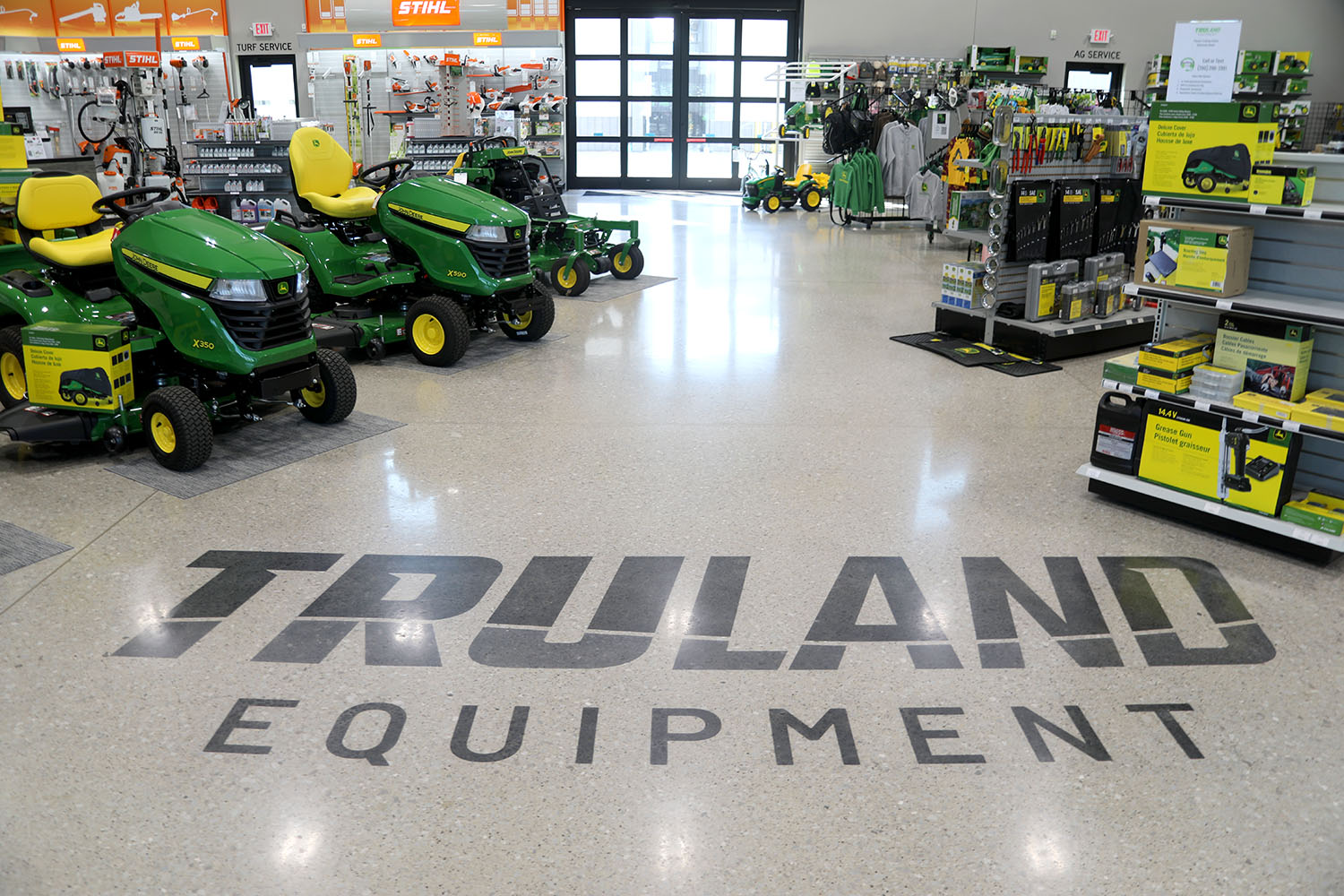
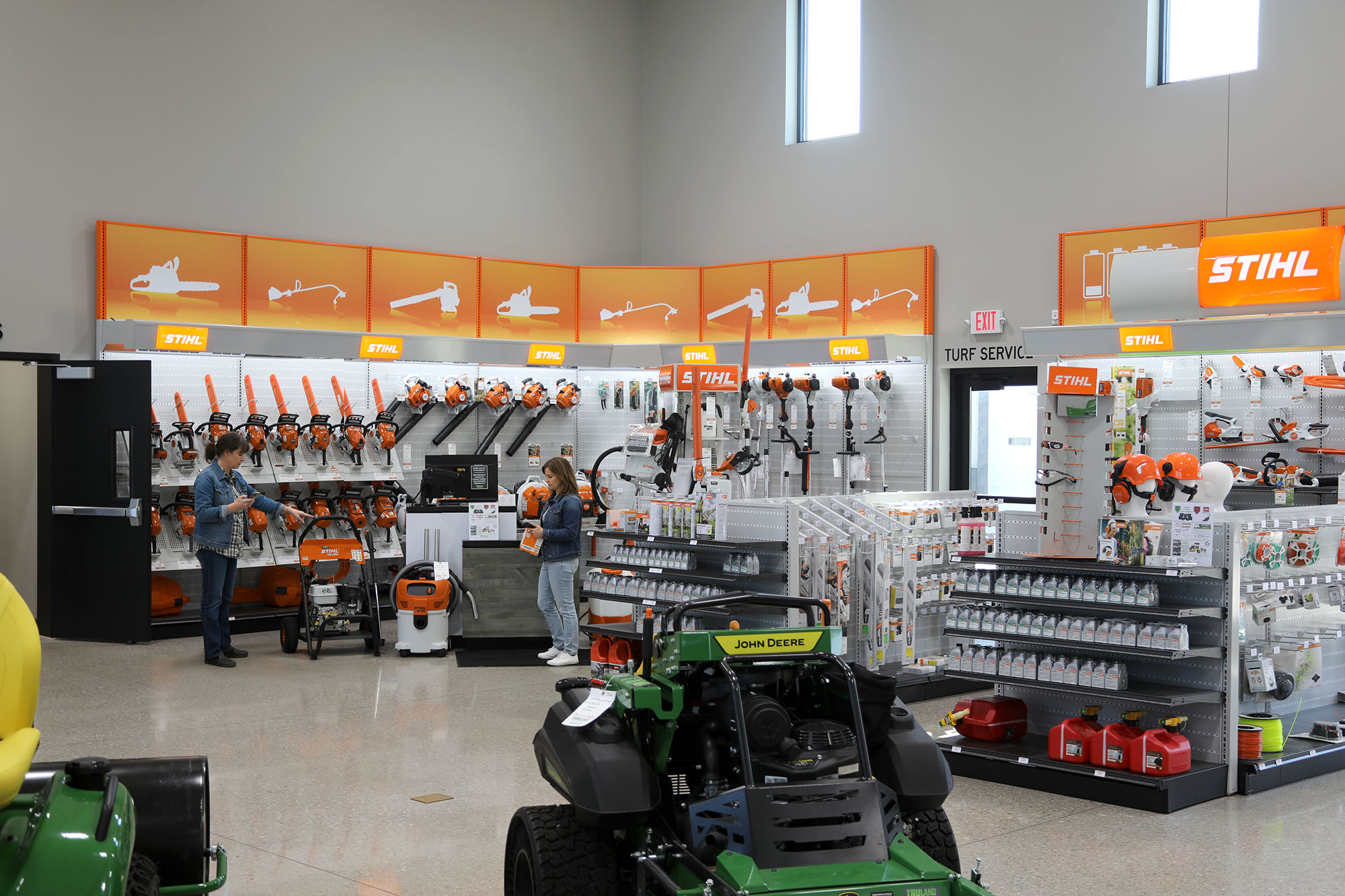
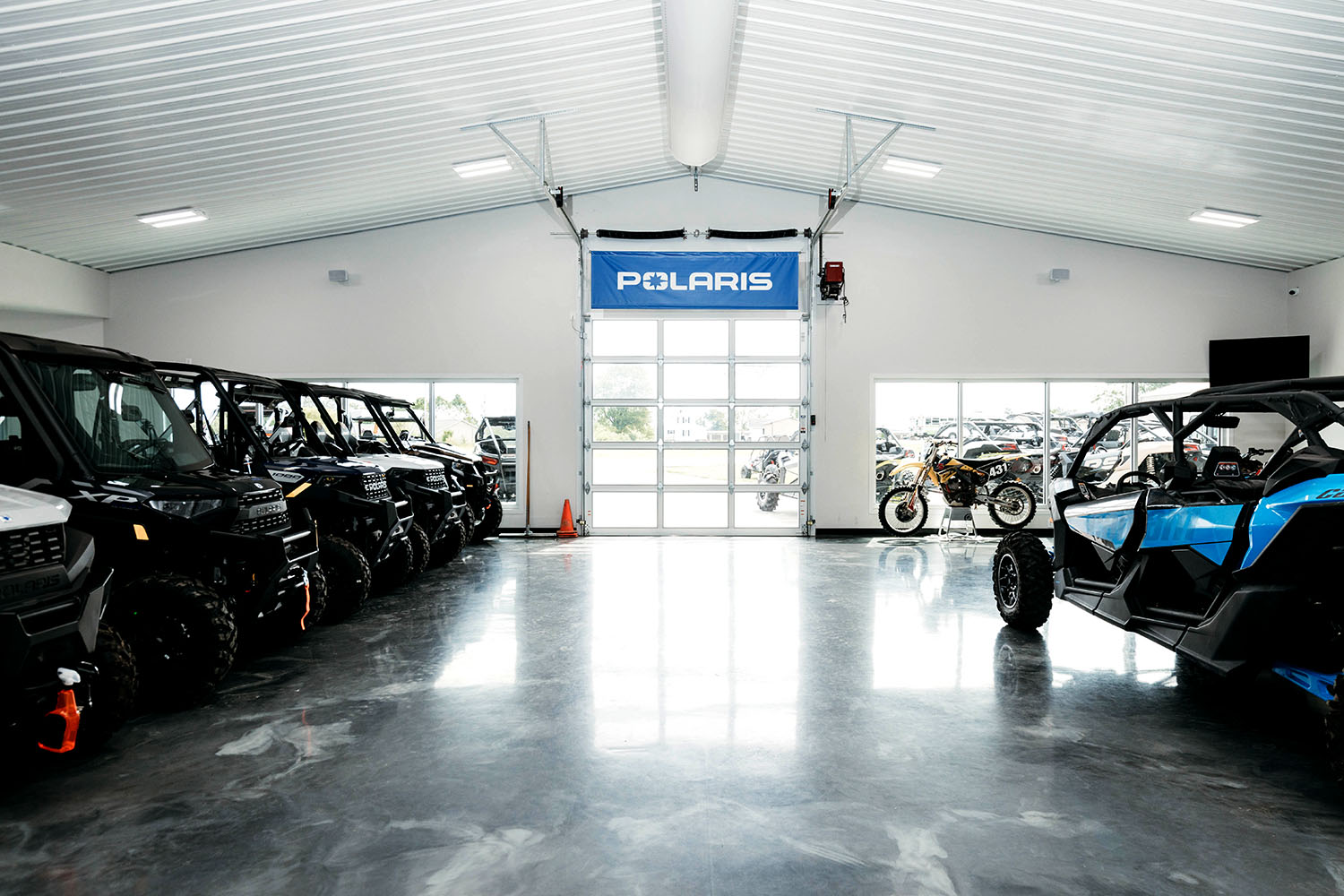
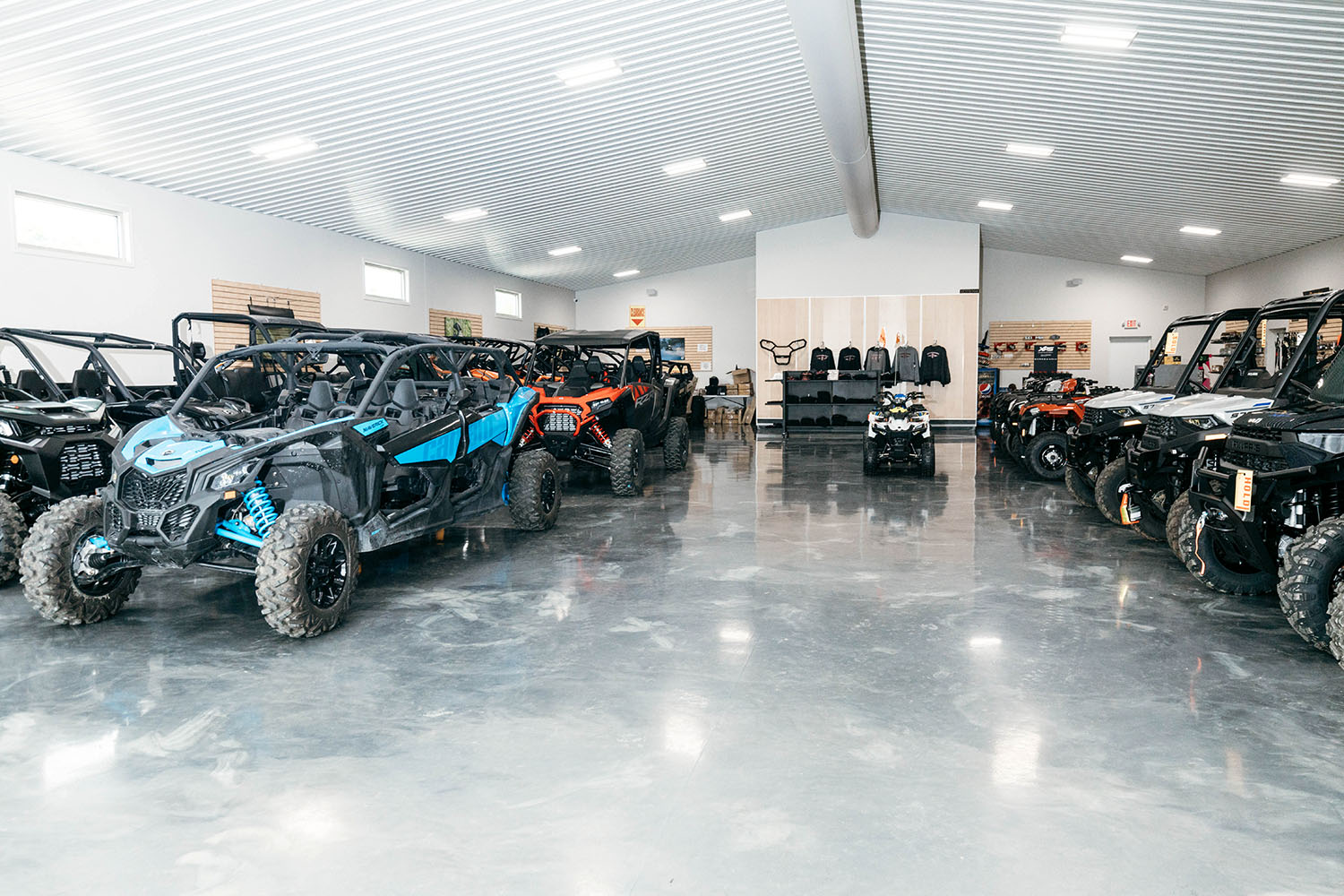
Showrooms need uninterrupted floor space. Post-frame wide-span structure creates open display zones for vehicles, equipment, furniture, or retail product lines. You can set clear paths for customers, keep displays flexible, and reserve space for seasonal changeovers.

High Ceilings for Dramatic Impact & Better Merchandising

Post-frame office and showroom design ideas

Ceiling height changes how a showroom feels. Taller interiors create a premium experience and give you room for overhead lighting, feature walls, and signage that draws attention to key inventory. If you sell large products, height also prevents the space from feeling cramped.

Glass Walls & Natural Light That Make Products Sparkle

Glass Walls & Natural Light That Make Products Sparkle

Natural light improves product visibility and helps the space feel clean and high-end. Post-frame works well with large window packages and glass-forward entries when you plan the facade early. Pair daylight with smart shading and insulation so comfort stays steady across seasons.

Custom Lighting That Supports How People Shop

Custom Lighting That Supports How People Shop

The right lighting helps sell products. Use accent lighting for featured displays, track lighting for changeable layouts, and overhead fixtures that align with trusses and ceiling lines. Plan lighting around how customers move through the space, not around a generic grid.

Integrated Storage & Work Areas That Keep Operations Smooth

Custom Lighting That Supports How People Shop

Most showrooms need back-of-house space for staging, service, or inventory overflow. Build these zones into the footprint so staff can restock, prep, or service products without disrupting the customer floor.

One common mistake is pushing storage too far away from the showroom floor. That creates longer restock trips, more time off the floor, and more chances to cross customer pathways with carts or equipment. Keep storage close to where it is used, and plan access points early.

Bring Your Office and Showroom Plans to Meyer Building

Office and showroom projects involve engineering, permitting, codes, utilities, sequencing, and finish coordination. Meyer Building brings decades of commercial building experience to that complexity. Our team plans the structure around real operations, coordinates approvals, schedules trades, and builds interiors that support your workflow and your brand from day one.

Let’s talk about your business, your site, and your timeline. Call (260) 565-3274 or contact Meyer Building online to begin planning a post-frame office or showroom that looks right on opening day and adapts as your business grows.
Post-Frame for Commercial Buildings? Insights from an Expert Post-Frame Contractor

Post-Frame for Commercial Buildings? Insights from an Expert Post-Frame Contractor

No longer “Grandpa’s pole barn,” post-frame construction has come a long way. But is it the right choice for your commercial facility? Your building must represent your brand well, meet code requirements, and support daily operations from day one. As a post-frame commercial building contractor with decades of experience, we have seen where post-frame construction delivers exceptional value and how it can be tailored to commercial needs.

Why Post-Frame Makes Sense for Commercial Building Construction

From a structural standpoint, post-frame offers advantages that traditional construction methods simply do not. It allows for open interiors, efficient foundations, and a wide range of exterior finishes that align with modern commercial branding.

Because of these strengths, we often recommend post-frame for offices, showrooms, event venues, service centers, warehouses, and storage facilities, to name a few. These environments benefit from long, clear spans and a structural system that performs efficiently without limiting layout or function.

In our experience as a post-frame commercial building contractor, post-frame creates a durable and adaptable framework for businesses that need flexibility built in from the start.

How a Post-Frame Commercial Building Contractor Supports Your Project

Commercial buildings involve many complexities, and each one affects safety, function, appearance, and long-term performance. We have found that many of our commercial clients appreciate our ability to act as a general contractor. From initial concept through project completion, we handle the details so you can stay focused on daily business operations rather than managing multiple trades or schedules. When you build a post-frame commercial building with Meyer Building, here are some of the considerations:

Key Considerations in Designing and Constructing a Post-Frame Commercial Building

Interior Layout and Workflow

A commercial building should support the way your team works. The wider structural spacing that post-frame allows makes it possible to place offices, service bays, display areas, and storage zones where they function best. This flexibility is one of the reasons many commercial clients choose post-frame construction.

Customer and Staff Movement

Door locations, windows, and interior routes all influence how people use the space. Addressing these considerations early in design helps ensure a smooth experience for both staff and visitors.

Site Access and Exterior Function

Parking, drive lanes, delivery zones, drainage, and access points all need to work together. Coordinating site development with the structure and utilities creates a unified system that supports daily operations.

Building Systems and Long-Term Use

Mechanical rooms, technology hubs, and maintenance areas need careful planning. Meyer Building considers these in the design phase to make them easier to access and maintain over the life of the building.

Permitting and Approvals

Commercial permitting can be complex. Meyer Building prepares drawings, coordinates engineering reviews, submits documents to local authorities, and tracks and updates our customers on the progress. This approach helps move approvals forward efficiently and reduces the risk of delays.

Code Alignment

Fire separation regulations, egress paths, accessibility, and occupancy classifications significantly influence the design and build of any commercial building. We understand the various code requirements and ensure compliance.

Utility Coordination

Mechanical, electrical, and plumbing systems need clear and efficient routes. Coordinating these systems during design rather than during construction prevents conflicts once framing begins and protects long-term building performance. Just as important, we can plan utilities with both today’s operations and tomorrow’s growth in mind, accommodating for future equipment, additions, and service needs without costly rework.

Keeping the Project on Track

A successful commercial project depends on steady progress, with schedule discipline mattering even more when a financial institution is involved. Lenders financing high-value commercial projects often tie funding milestones and inspections to specific deadlines, so adhering to timelines helps protect the project’s financing and momentum. Excavation, concrete work, framing, and trade rough-ins must follow a defined sequence. With Meyer Building, you can have one general contractor overseeing all phases, reducing delays and keeping the timeline on track.

A Case for Post-Frame in a Commercial Setting: The TRULAND Equipment Project

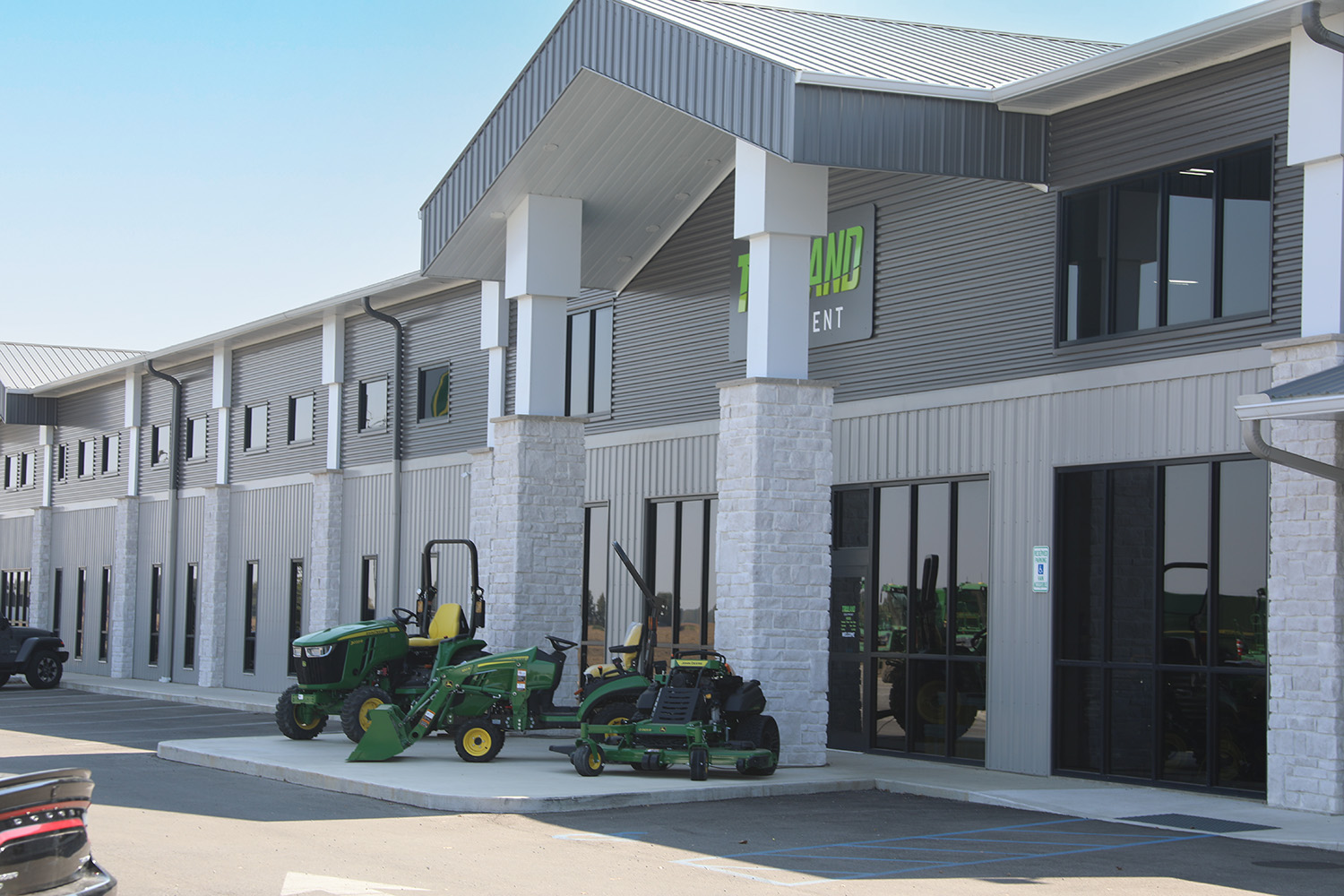
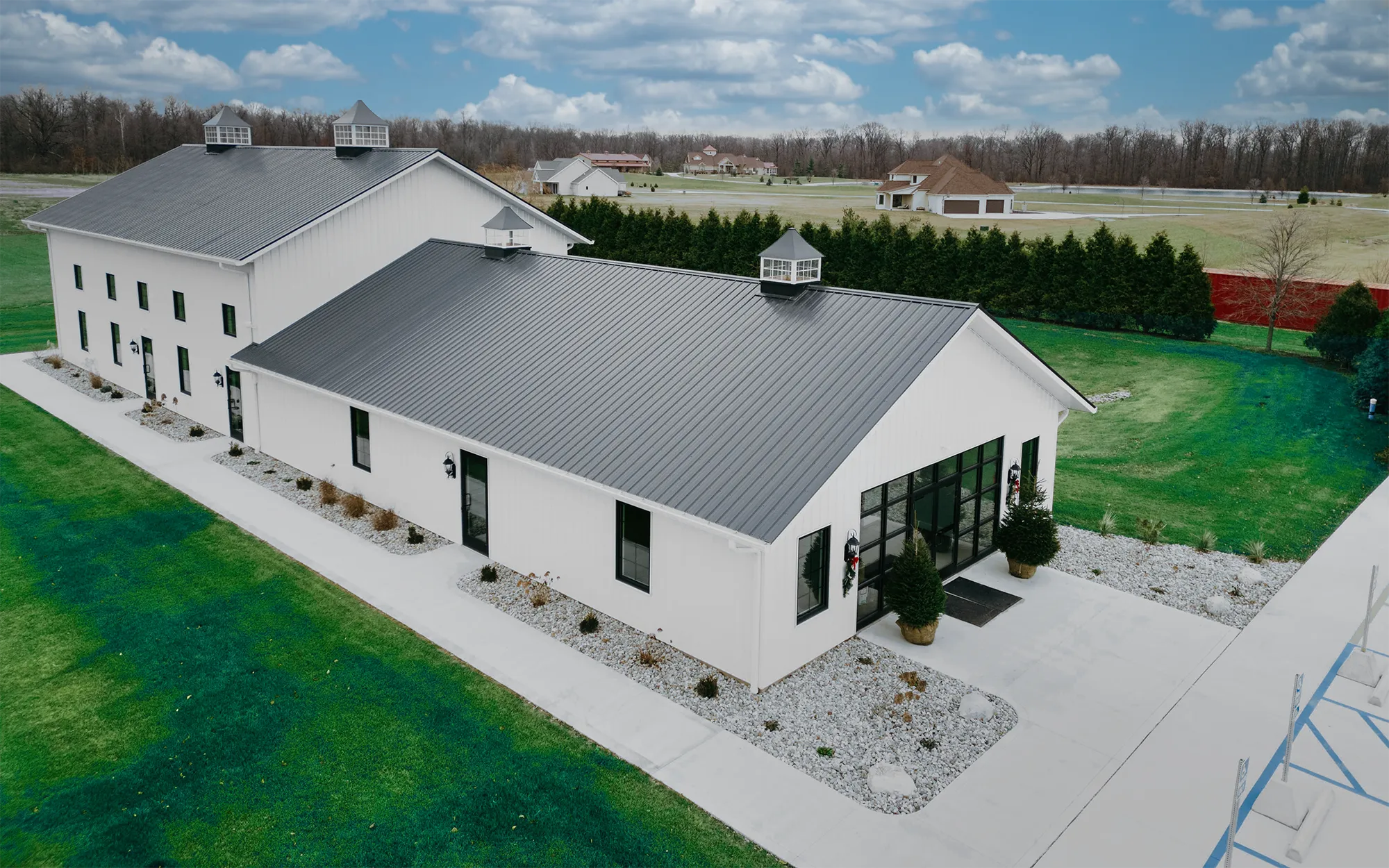
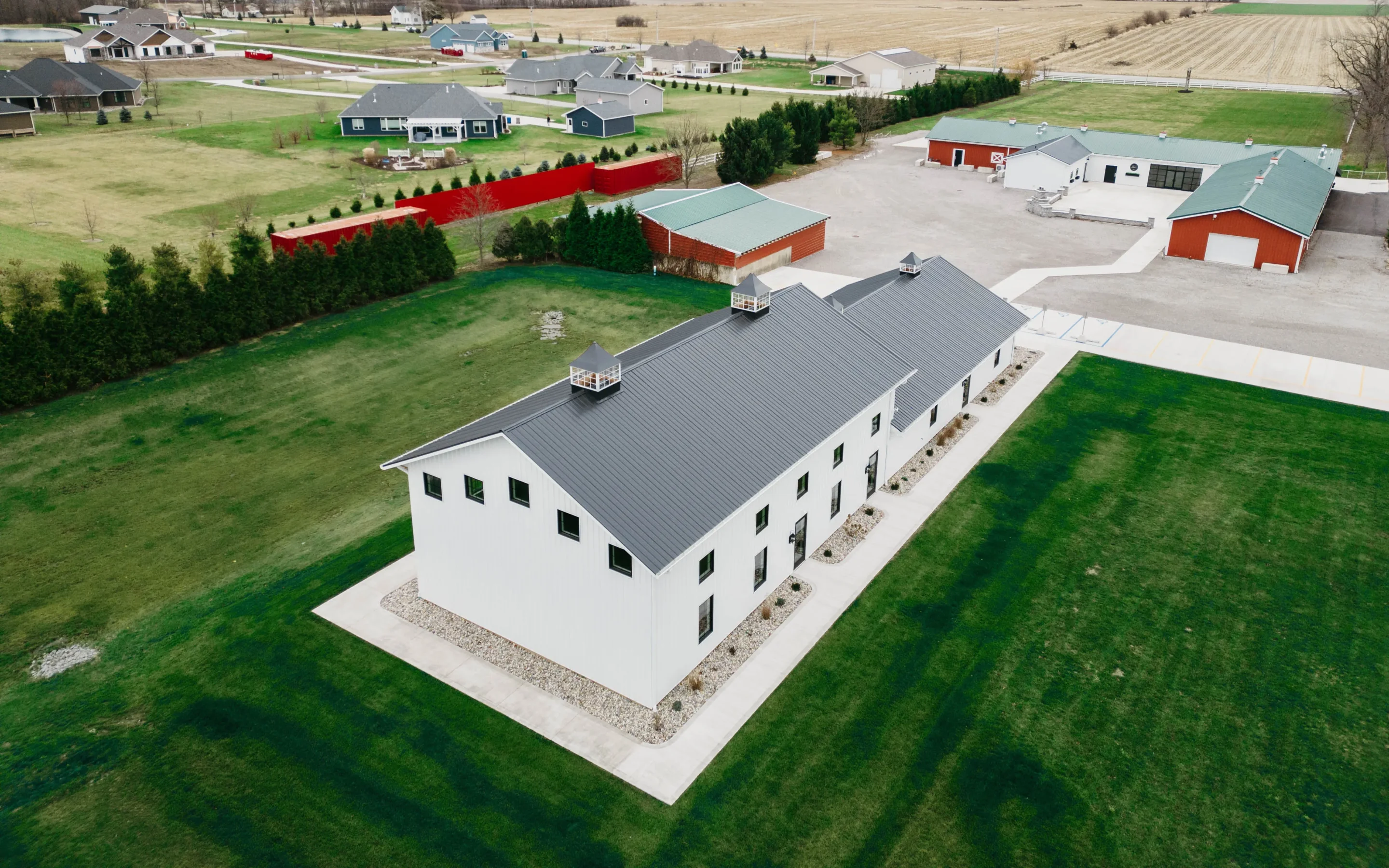
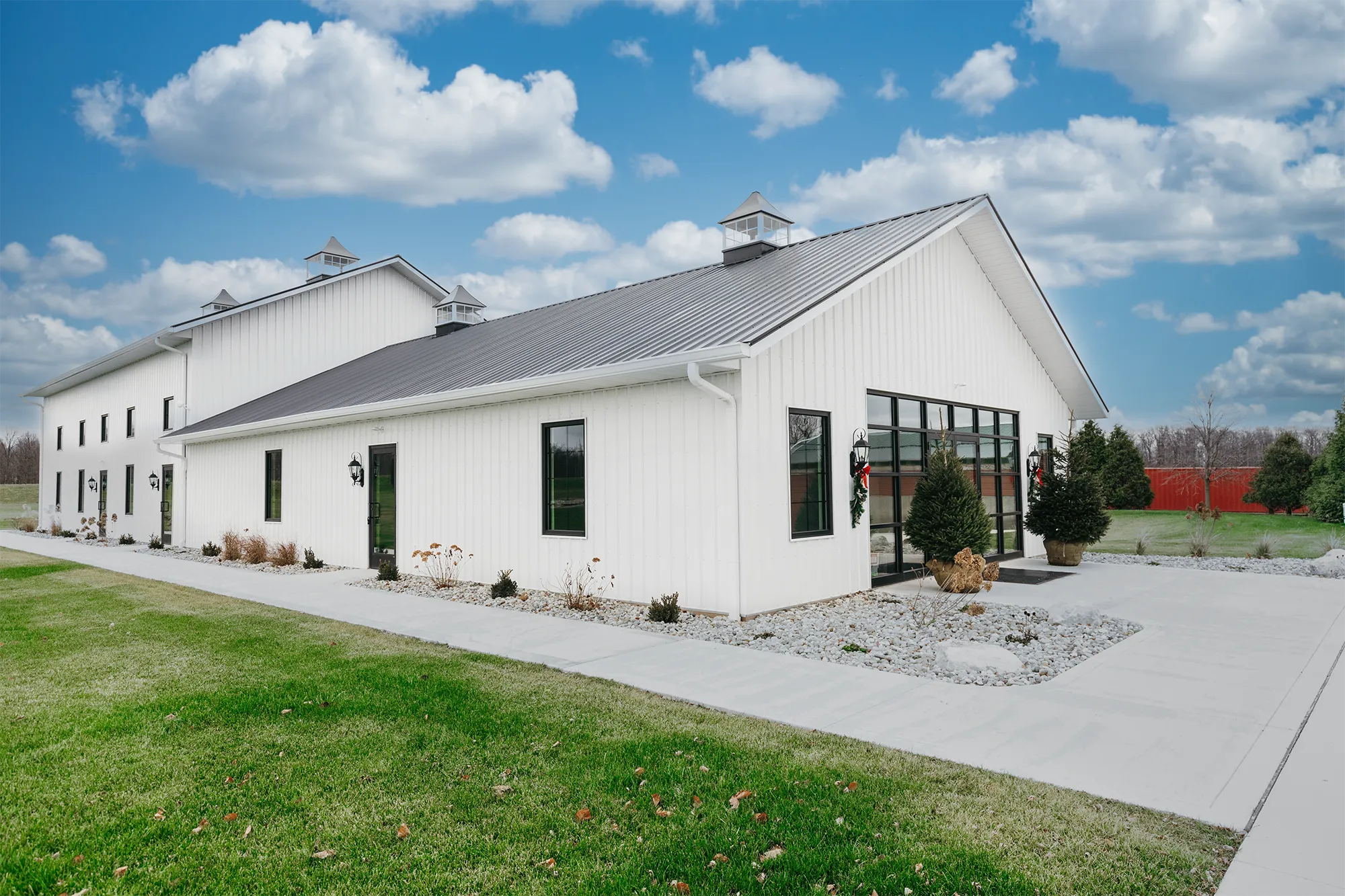
TRULAND Equipment needed a modern showroom and office that would strengthen its brand, connect to its existing building, and keep operations running throughout construction. They were also planning for future growth, so the new structure had to support both current needs and long-term expansion. The site included buried utilities, limited water, and a tight footprint, but Meyer Building was able to balance ambitious goals with practical constraints.

We began by shaping the customer experience. TRULAND wanted a bright, open showroom with clear visibility across the sales floor. Post-frame construction provided the wide spans we needed, and hidden steel supported the extended front façade while allowing a clean, glass-forward storefront. This approach created the modern, customer-friendly presentation they envisioned without adding interior supports that would limit displays or future layout changes.

Interior planning focused on workflow. Offices, sales areas, and display zones were organized around daily operations so the building would function well on day one. The structural flexibility of post-frame made it easier to place these spaces where they served the team most effectively and allowed room for the business to grow.

Connecting the new structure to the existing building required close coordination of elevations, rooflines, and utility paths. Our design process ensured a seamless transition, so the facility now operates as a unified campus with the ability to expand when needed.

Throughout construction, we managed site logistics, temporary access, and phased work so TRULAND could remain open. Right on schedule, they moved into a space that delivers the presence, efficiency, and forward-looking growth capacity they were aiming for.

Evaluate Your Commercial Building Options with Meyer Building

Choosing the right construction method is one of the most important early decisions for any commercial project. A knowledgeable post-frame commercial building contractor can help you determine whether post-frame is the best fit for your site, your operational needs, and your long-term plan.

If you are exploring a new commercial building, let’s discuss your goals and outline a clear path that matches your needs. Contact Meyer Building online or call (260) 565-3274 to start a conversation about your project.

6 Types of Commercial Post-Frame Buildings for Modern Business

6 Types of Commercial Post-Frame Buildings for Modern Business

For new and growing commercial businesses, constructing a new facility is a major investment that must align with current operational needs while leaving room for future expansion. Post-frame construction gives you the ability to create flexible, efficient spaces that adapt as your operations evolve. With open interiors, durable materials, and finish options suited to a wide range of commercial uses, post-frame provides a strong structural foundation for both immediate demands and long-term growth. If your project aligns with one of the common types of commercial post-frame buildings, post-frame construction may offer practical advantages for your day-to-day operations as well as your long-range plans.

Warehouse and Storage Buildings

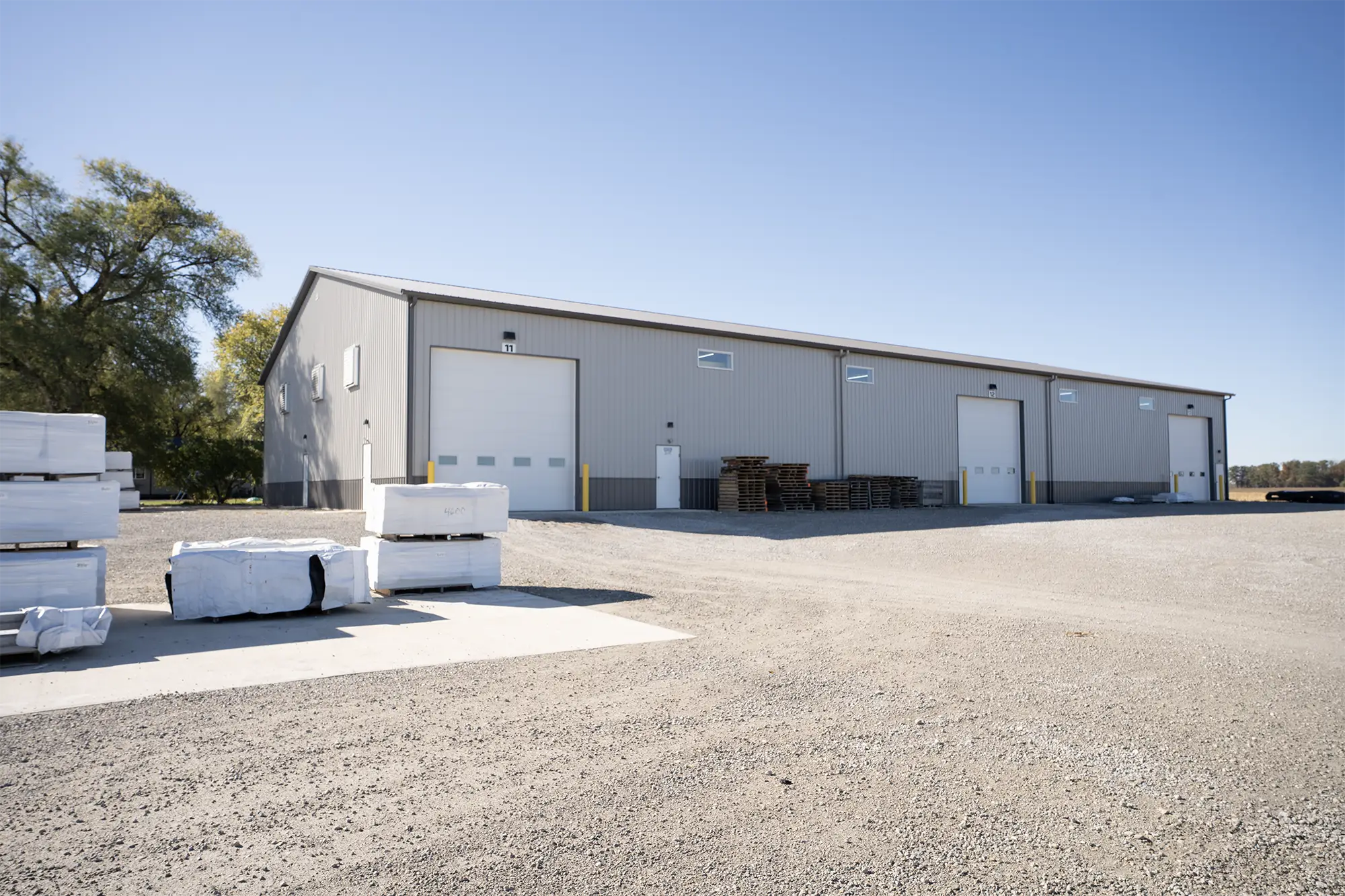
Warehouse and storage facilities depend on clear space, reliable access points, and efficient layouts that support busy operations. Post-frame construction provides wide spans and practical interior heights that make room for pallet racking, forklift movement, loading areas, and equipment staging. In many warehouse projects, the design begins with your equipment paths and workflow, and post-frame makes it easy to tailor lane widths, door locations, and structural heights so the building supports daily productivity and can expand as inventory increases.

Key Advantages

  • Interior clearances that support high-bay racking and safe equipment operation
  • Endwall expansion options that allow inventory capacity to grow without major redesign
  • Engineered framing and durable exterior materials that stand up to heavy use
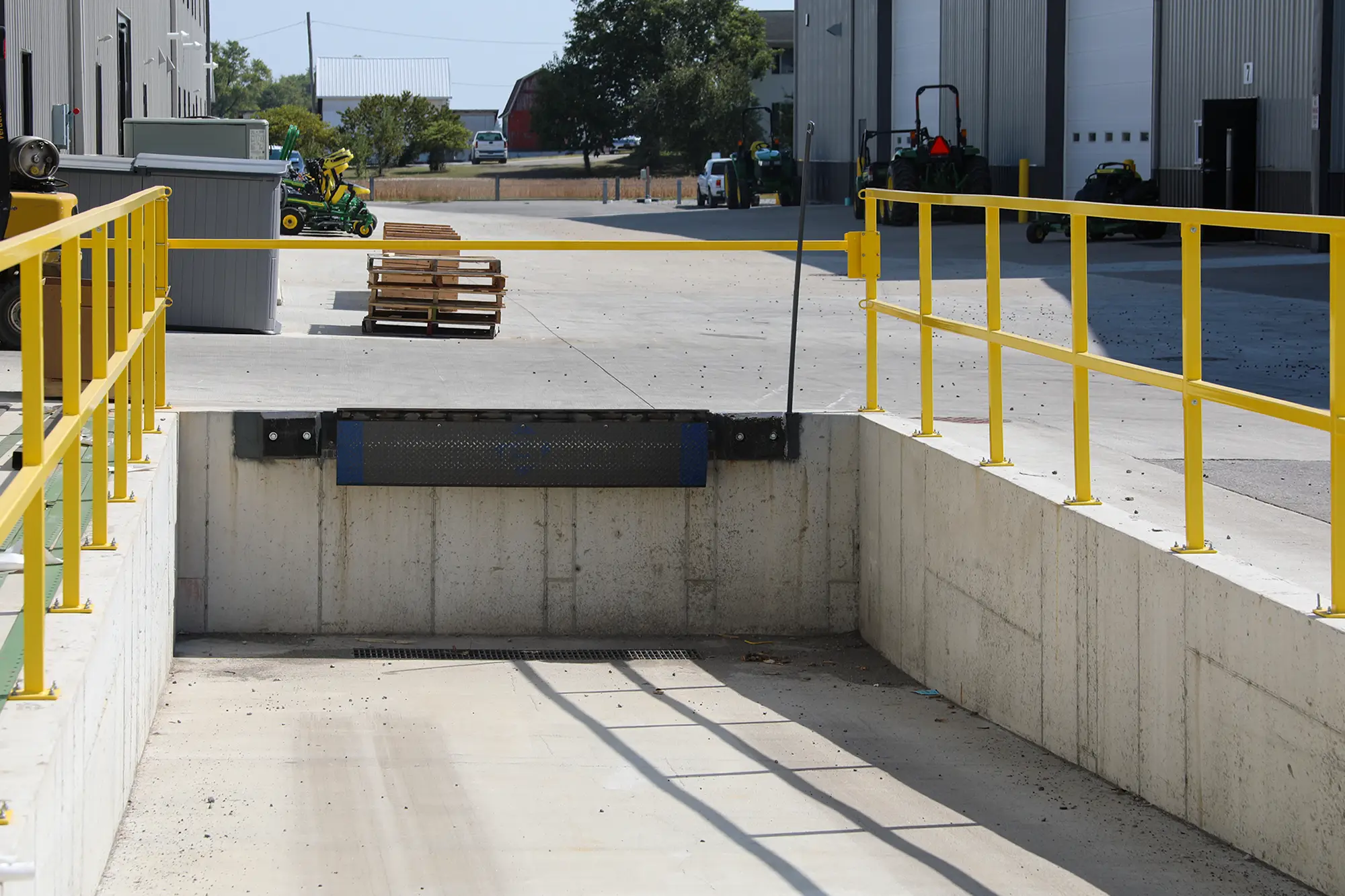
  • Customizable loading docks, door configurations, and traffic flow patterns

Office Buildings and Showrooms

Office buildings and showrooms should make a strong first impression while supporting daily productivity. Post-frame construction offers versatile interior layout options that can be configured for private offices, conference rooms, break areas, and customer-facing displays without the constraints of interior load-bearing walls. Office and showroom layouts often start with a core set of spaces and then evolve as teams, services, or product lines grow. Post-frame construction makes those adjustments practical without creating unnecessary disruption.

Key Advantages

  • Flexible layout options
  • High-quality exterior and interior finishes that reflect a professional brand
  • Energy-efficient insulation plus robust mechanical, electrical, and plumbing options for long-term comfort
  • Accessible entries and interior routes that support ADA compliance
  • Customizable loading docks, door configurations, and traffic flow patterns

Fertilizer Storage Buildings

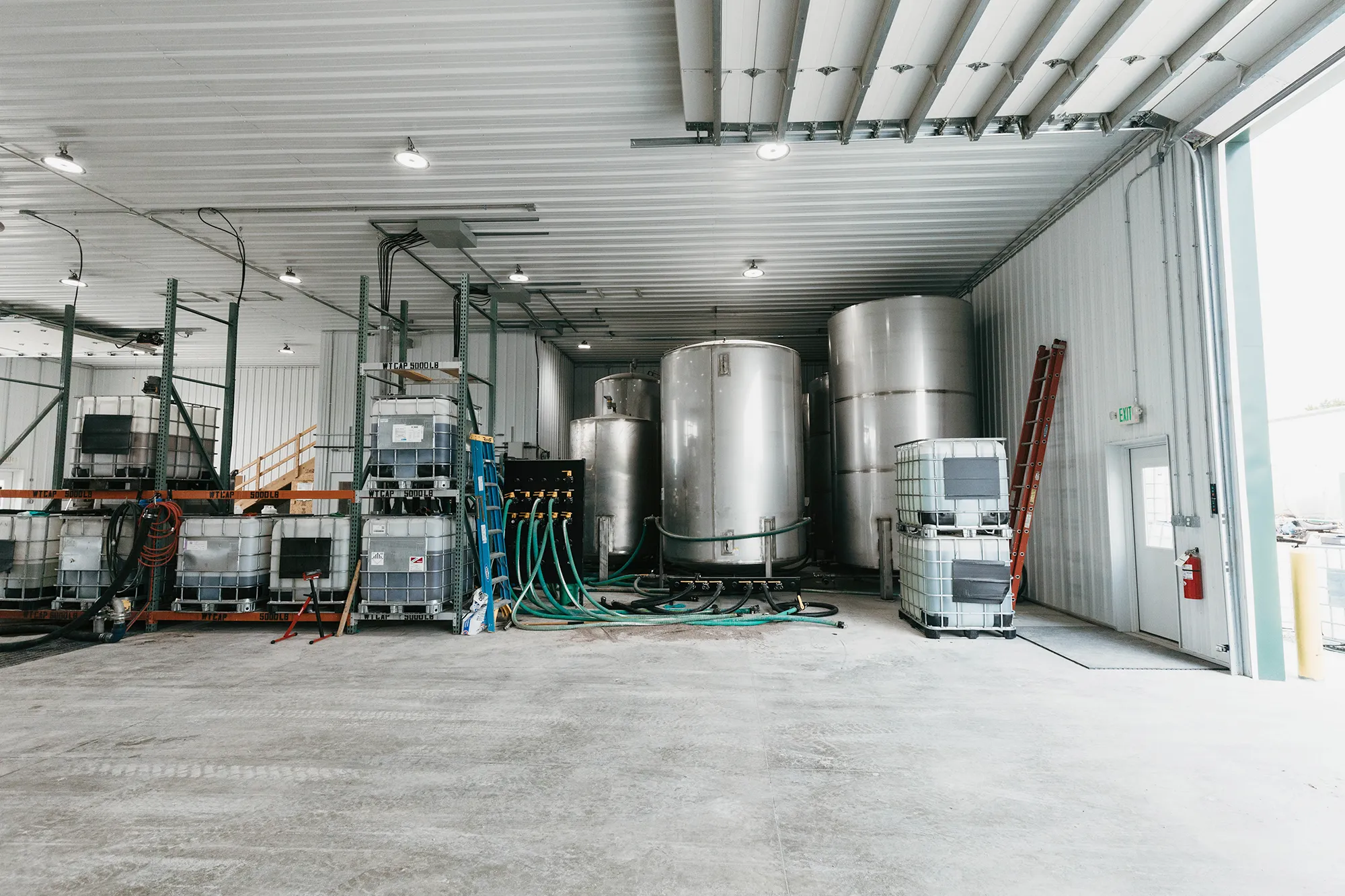
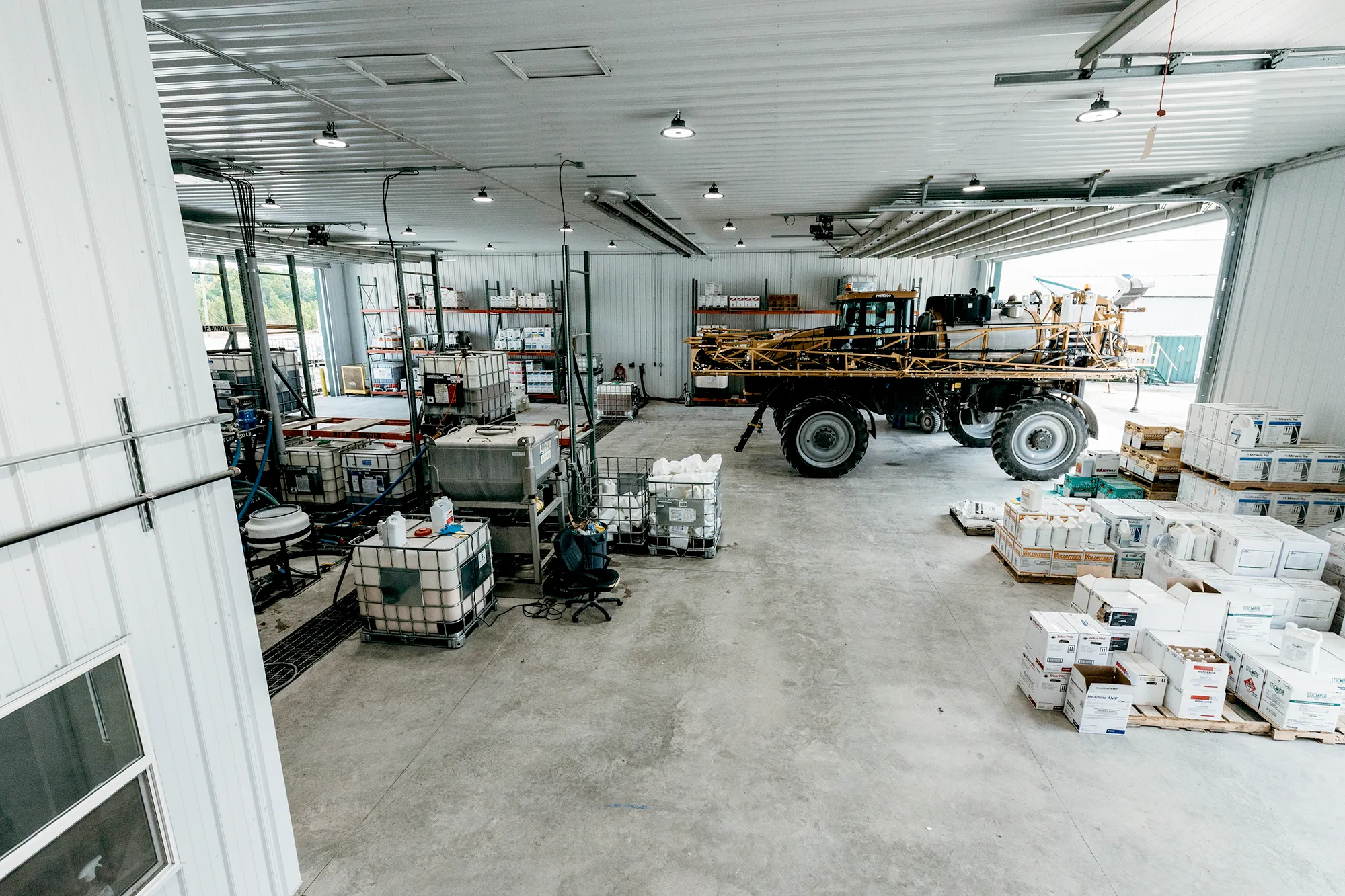
Fertilizer storage buildings must protect valuable inventory, support safe handling, and meet regulatory expectations without slowing down seasonal operations. Post-frame construction creates open interiors with the height and clearances needed for dry or liquid fertilizer storage, as well as the equipment that moves it. Containment requirements, equipment paths, and the need to guard materials against moisture and corrosion make post-frame a strong fit for fertilizer storage facilities.

Key Advantages

  • Structural layouts that support secondary containment and controlled traffic patterns
  • Ventilation and material choices that help reduce corrosion and protect product integrity
  • Strategic door and access options for efficient loading and equipment movement
  • Custom integration of control rooms, operator spaces, and safety features

Wedding and Event Venues

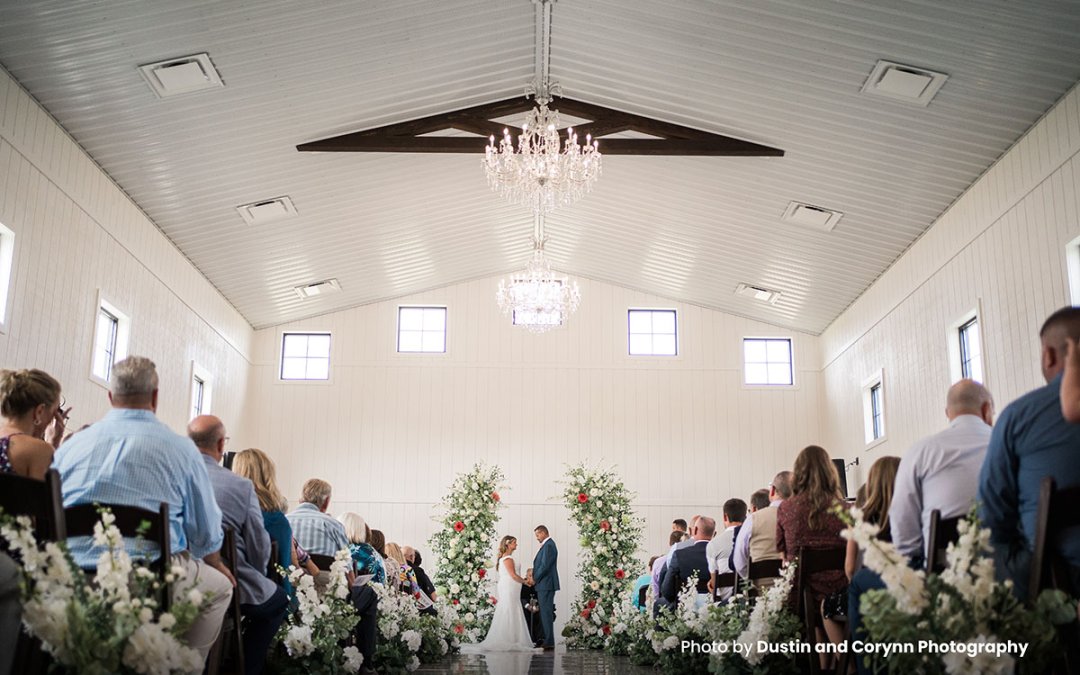
Event venues should be visually appealing, adaptable, and durable enough to handle frequent use. Post-frame construction creates wide open interiors that support many layouts while integrating kitchens, hospitality suites, storage rooms, and other service spaces along the perimeter. Custom design creates memorable atmospheres with custom finishes, while keeping the structure adaptable for weddings, receptions, corporate gatherings, and community events.

Key Advantages

  • Structural span options that accommodate multiple seating and event configurations
  • Custom finish options that establish a memorable, marketable aesthetic
  • Integrated service areas for kitchens, restrooms, storage, and prep spaces
  • Efficient construction timelines so you can begin booking sooner

Self-Storage Facilities

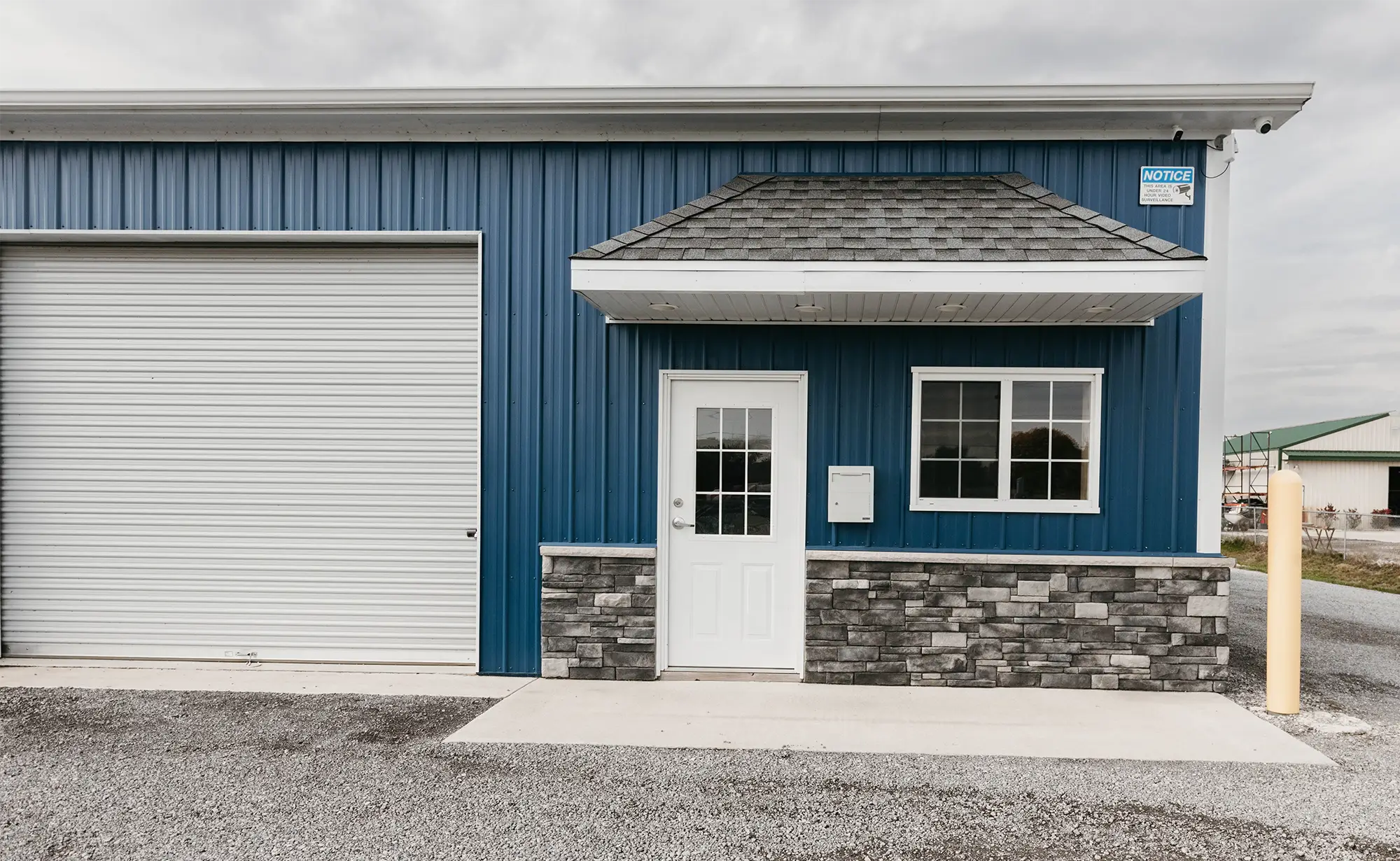
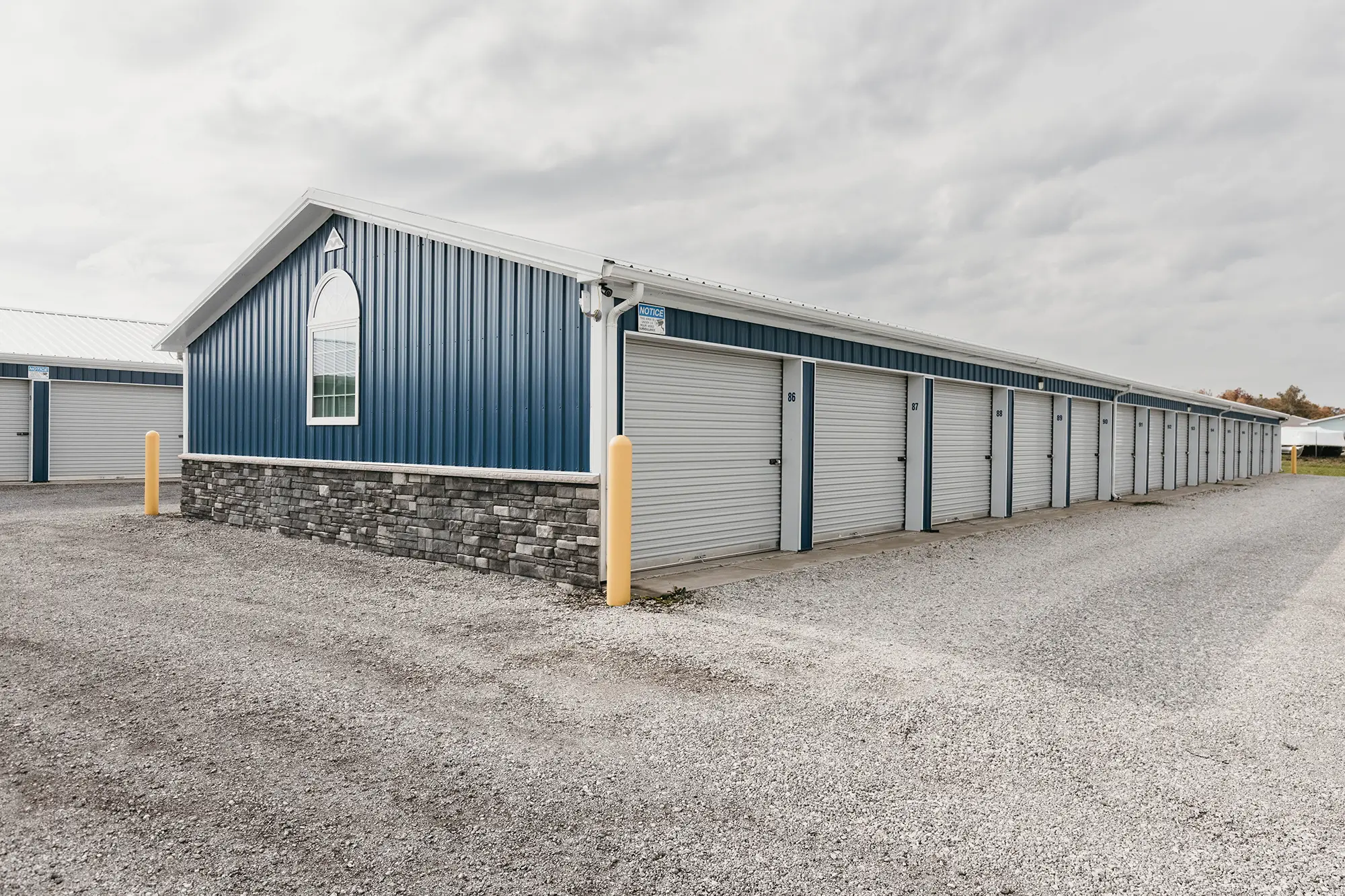
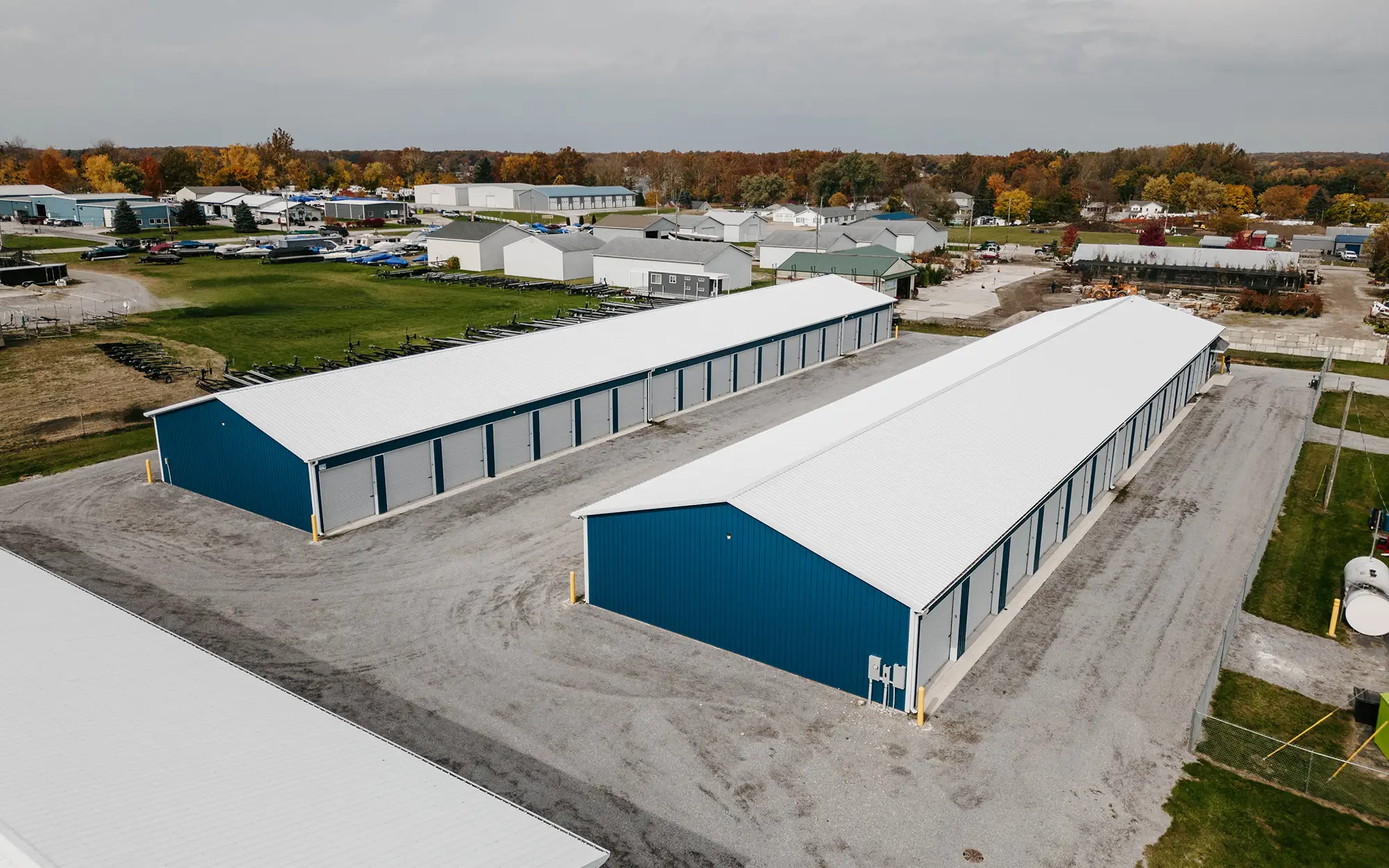
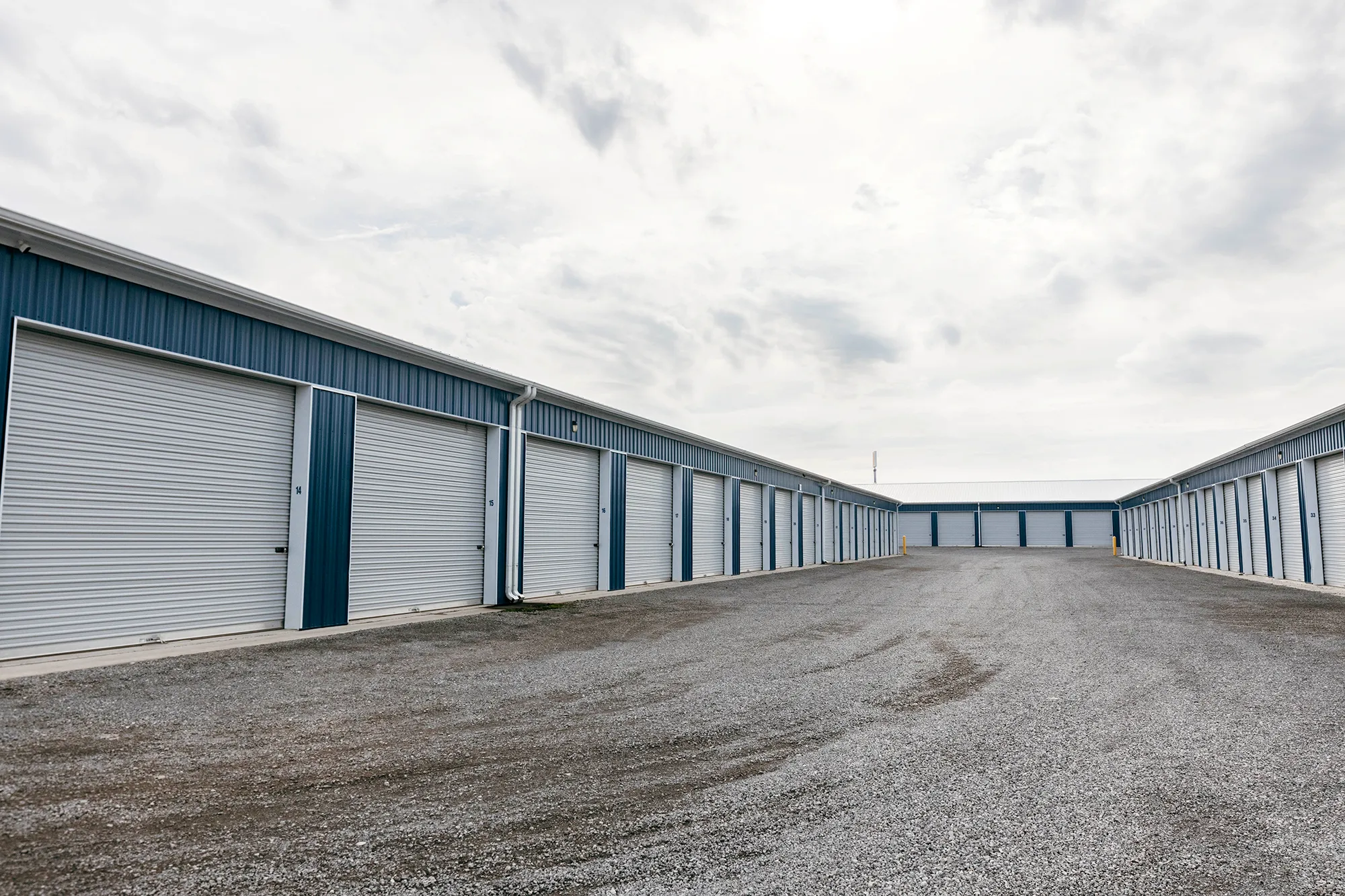
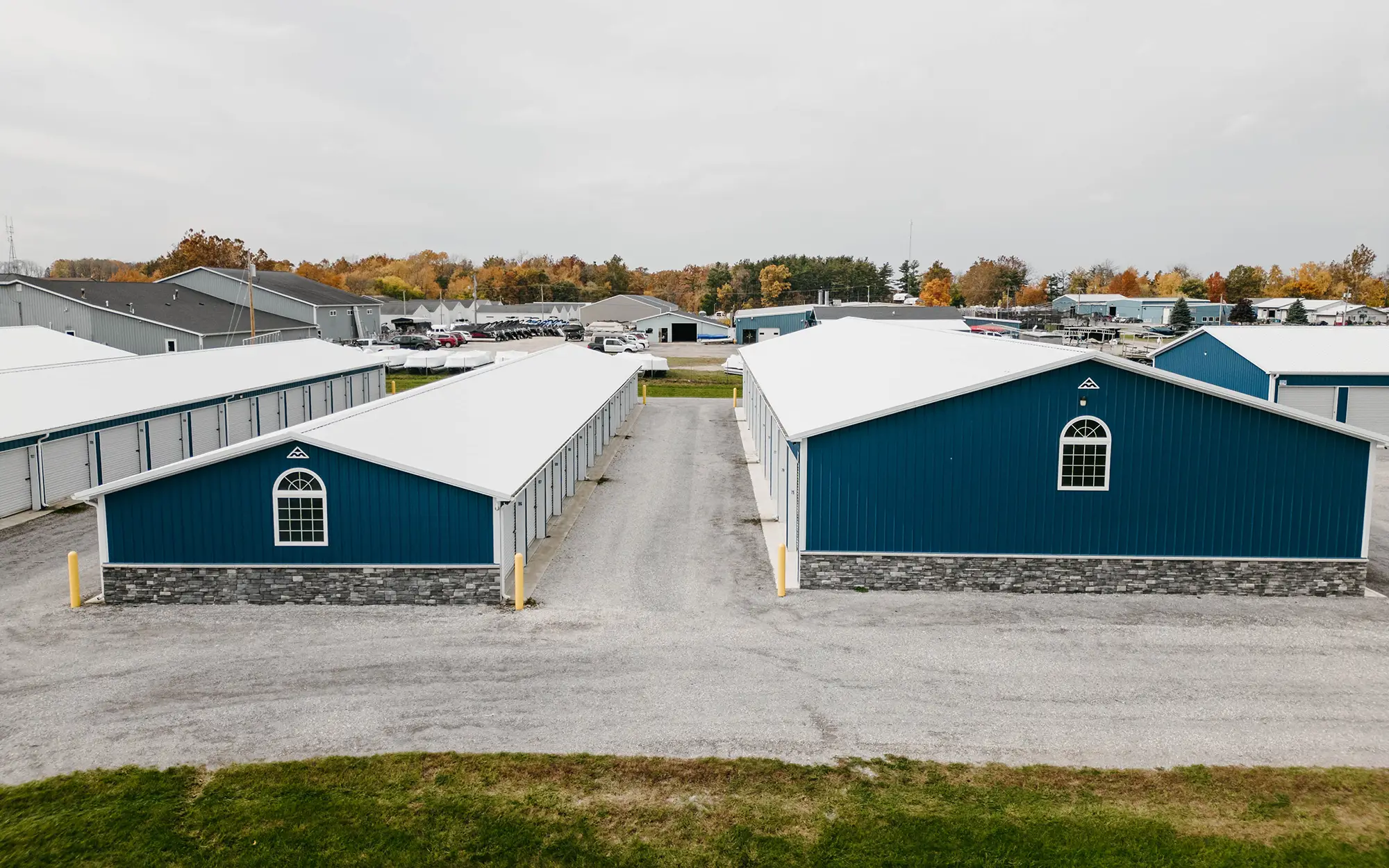
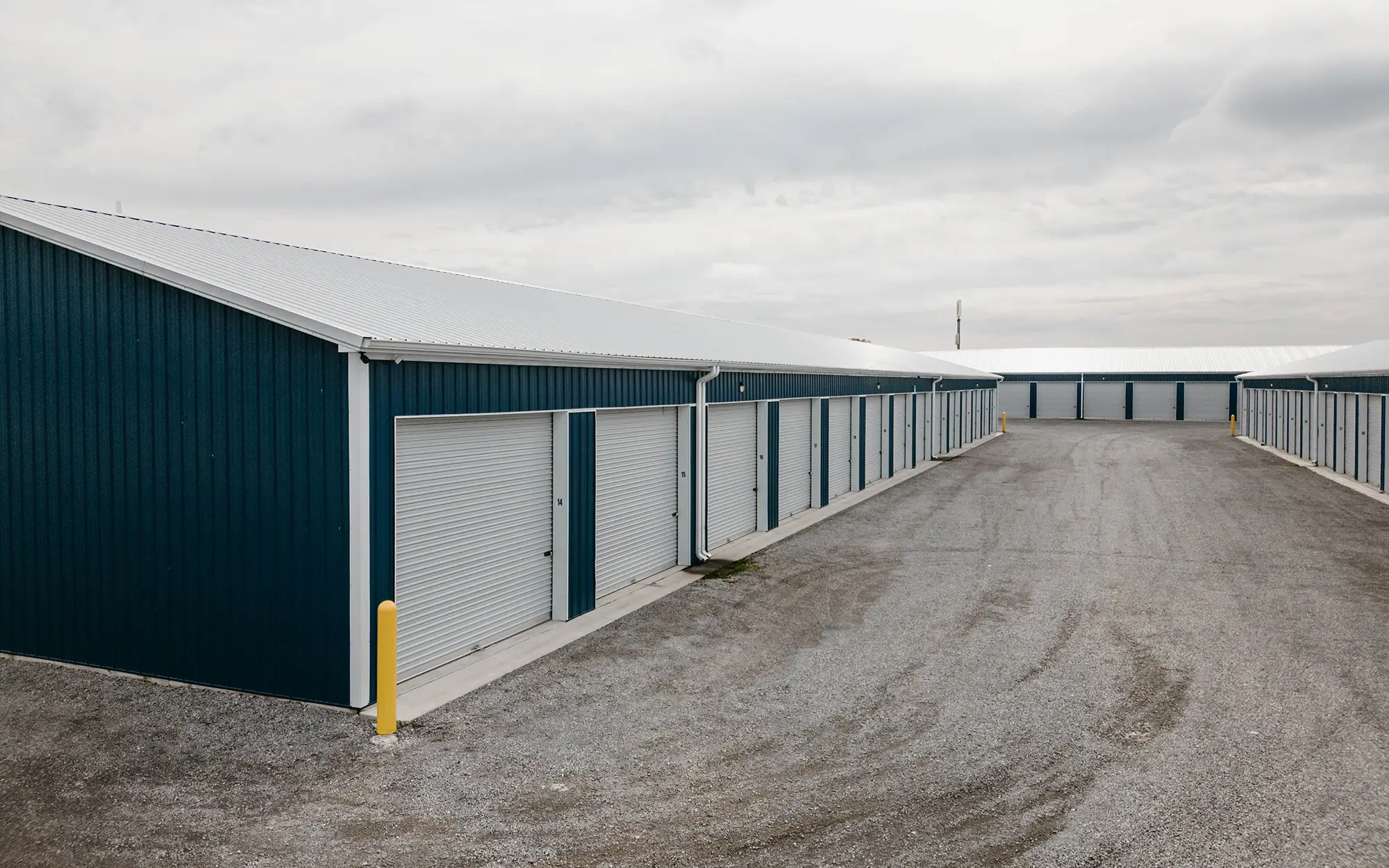
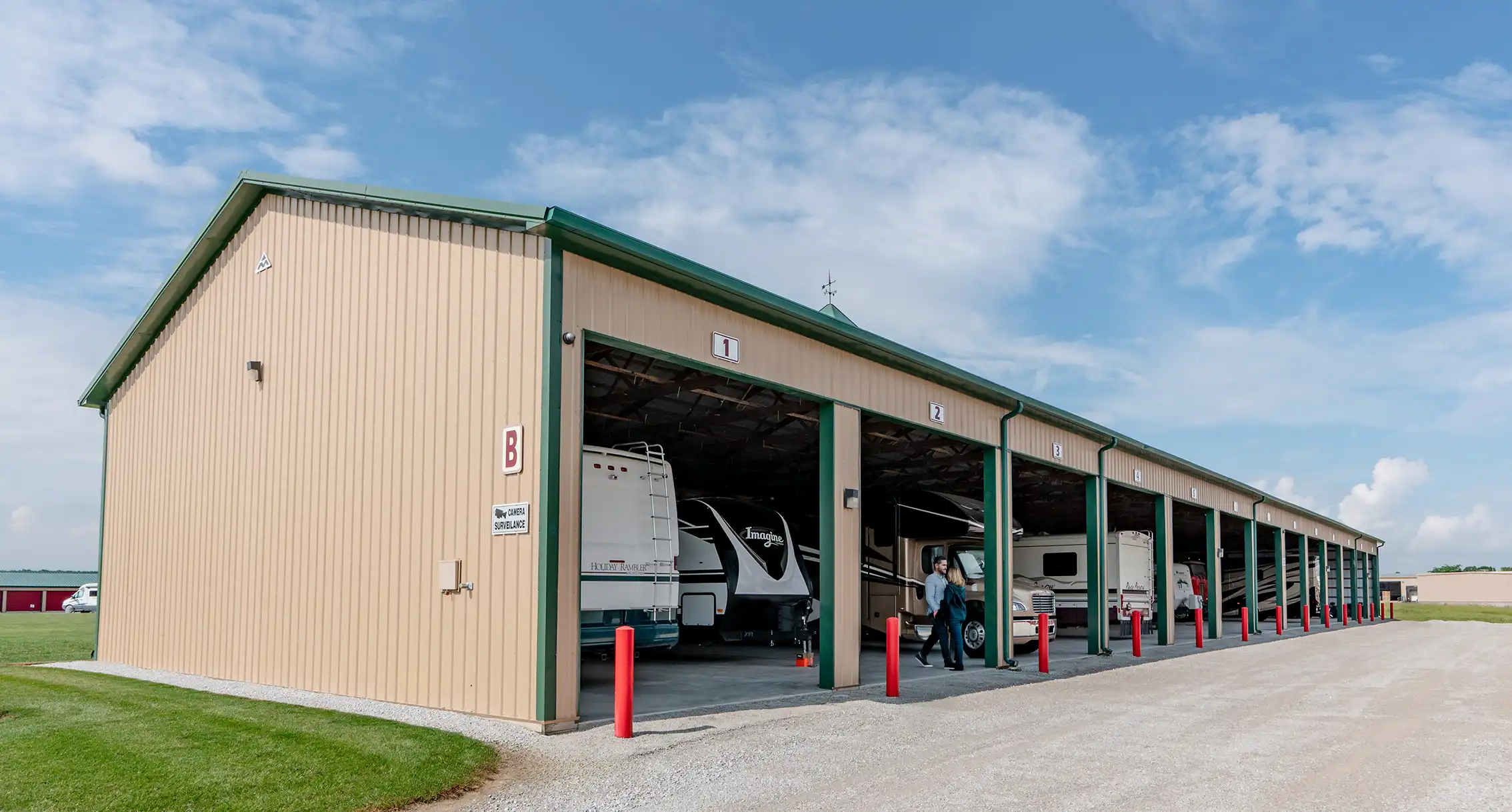
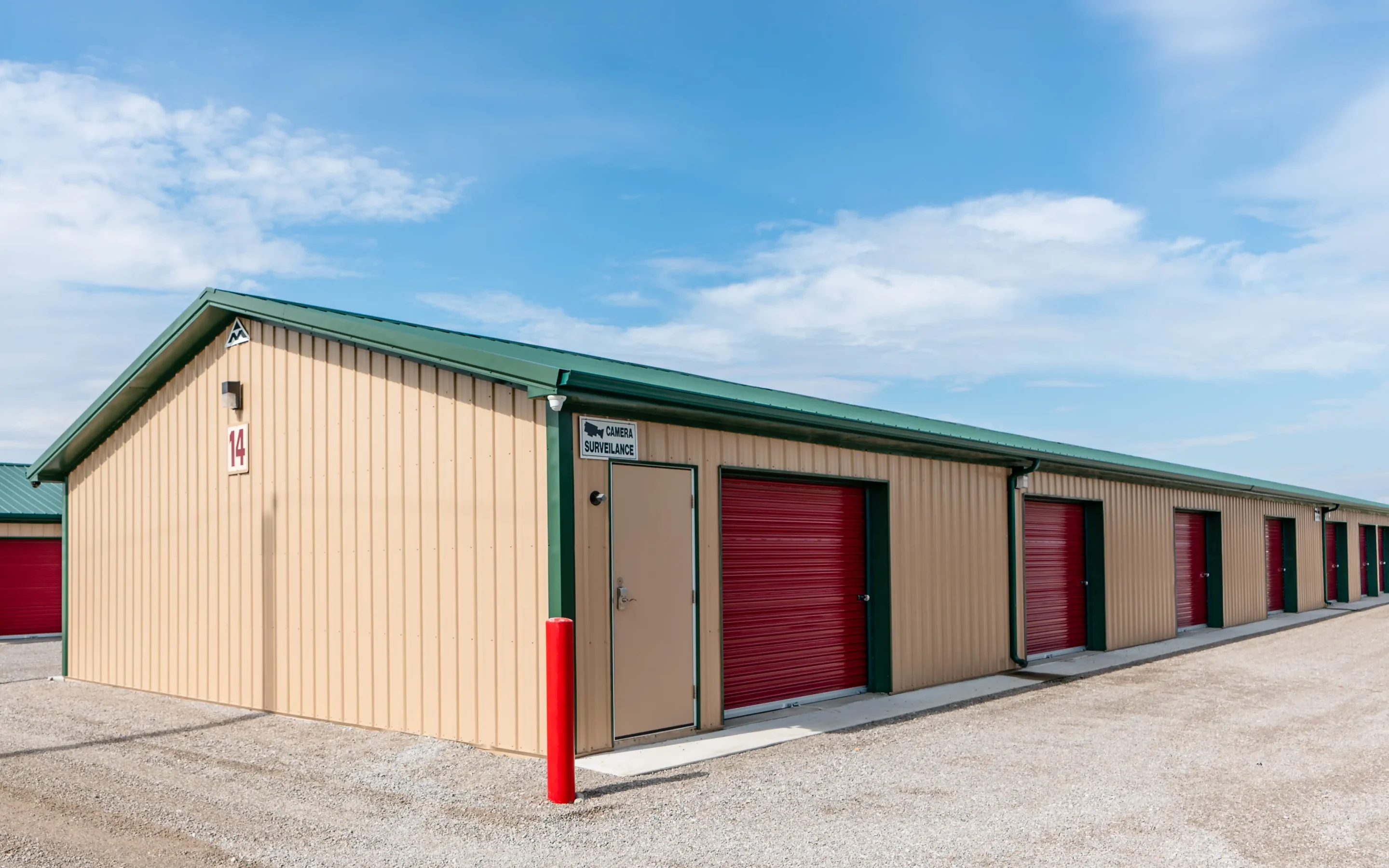
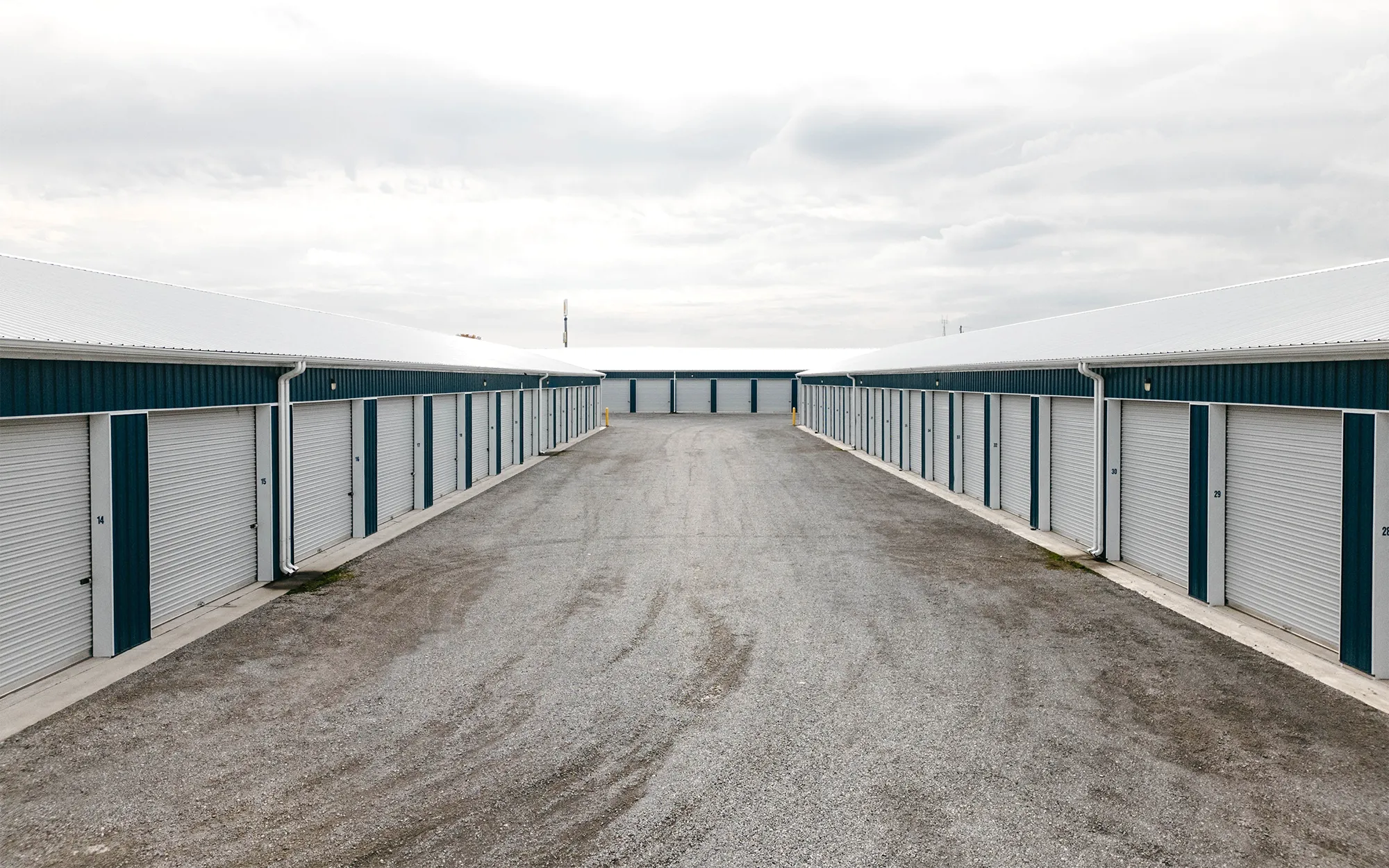
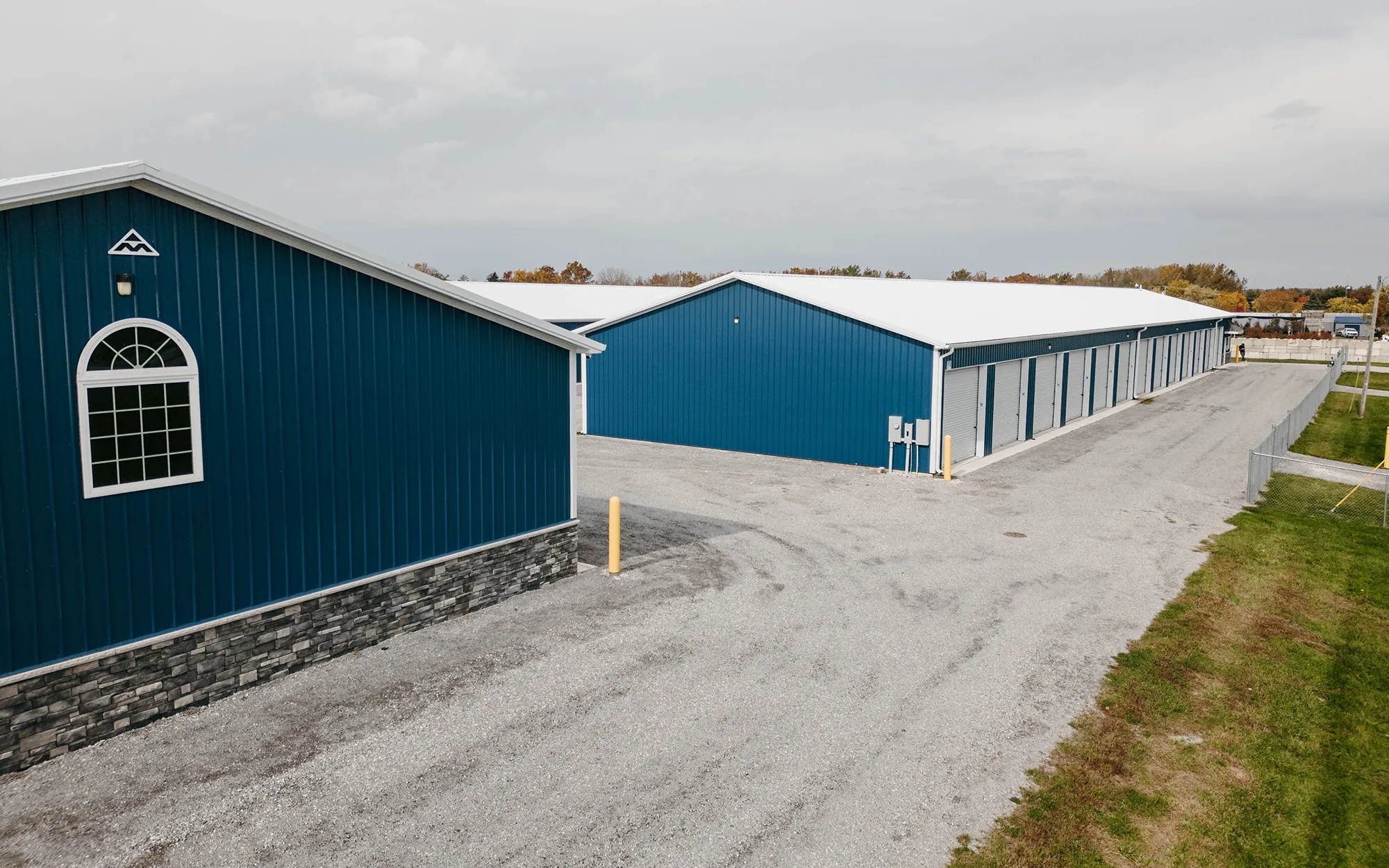
Commercial self-storage facilities’ layouts balance tenant access with smart land use and future expansion options. Post-frame construction works well for these sites because it supports repeatable building layouts, wide drive aisles, and efficient climate-controlled zones without unnecessary structural complexity. Self-storage design often centers on arranging buildings, doors, and circulation paths so tenants can reach units easily while giving the on-site office clear visibility to gates and activity zones for better security and operations.

Key Advantages

  • Flexible layouts for a mix of drive-up, climate-controlled, or specialty units
  • Efficient site planning that maximizes rentable area and future expansion options
  • Durable roll-up doors, lighting, and protective features suited for daily tenant use
  • Integration of office visibility, security considerations, and practical vehicle circulation

Airplane Hangars

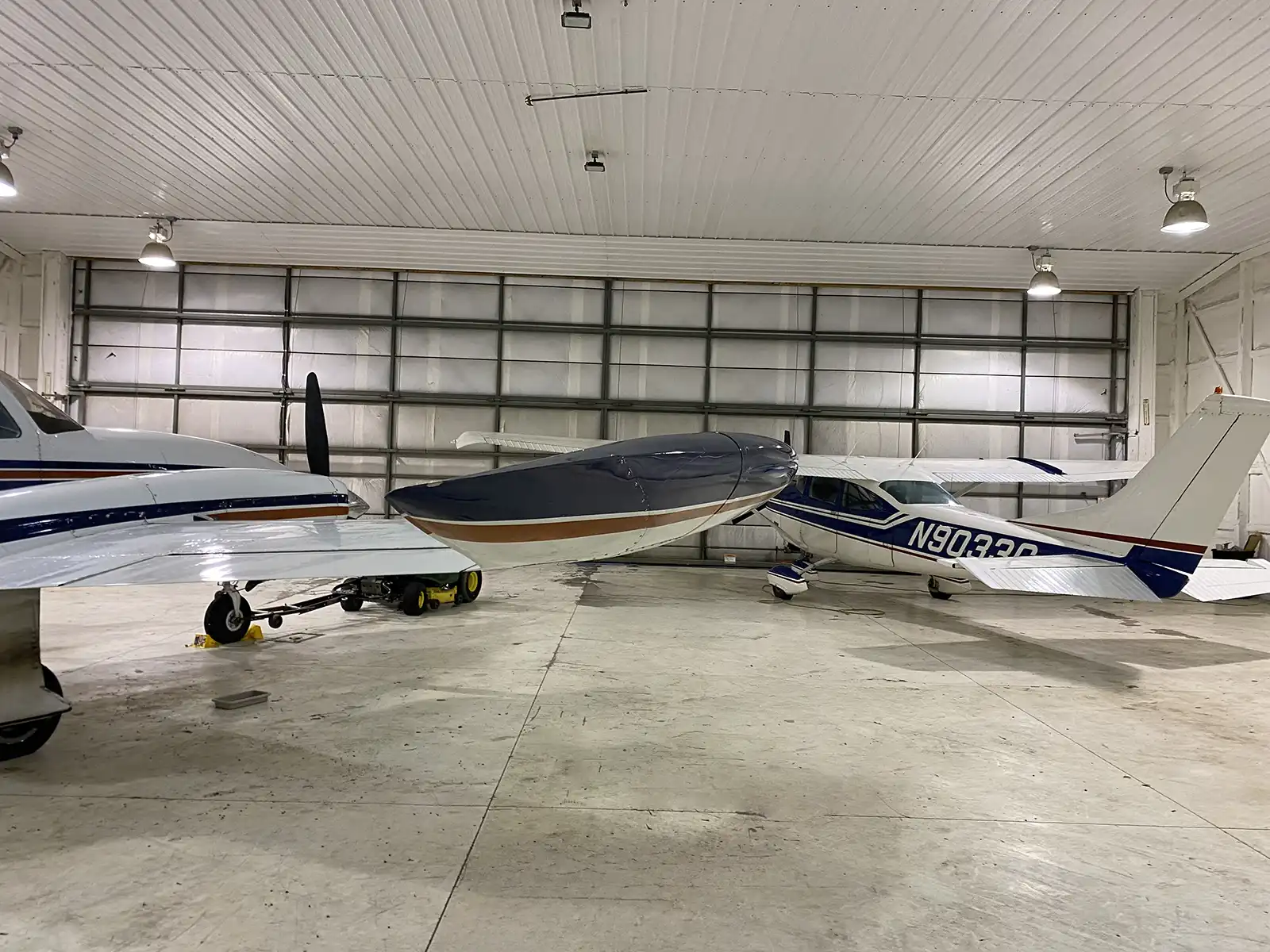
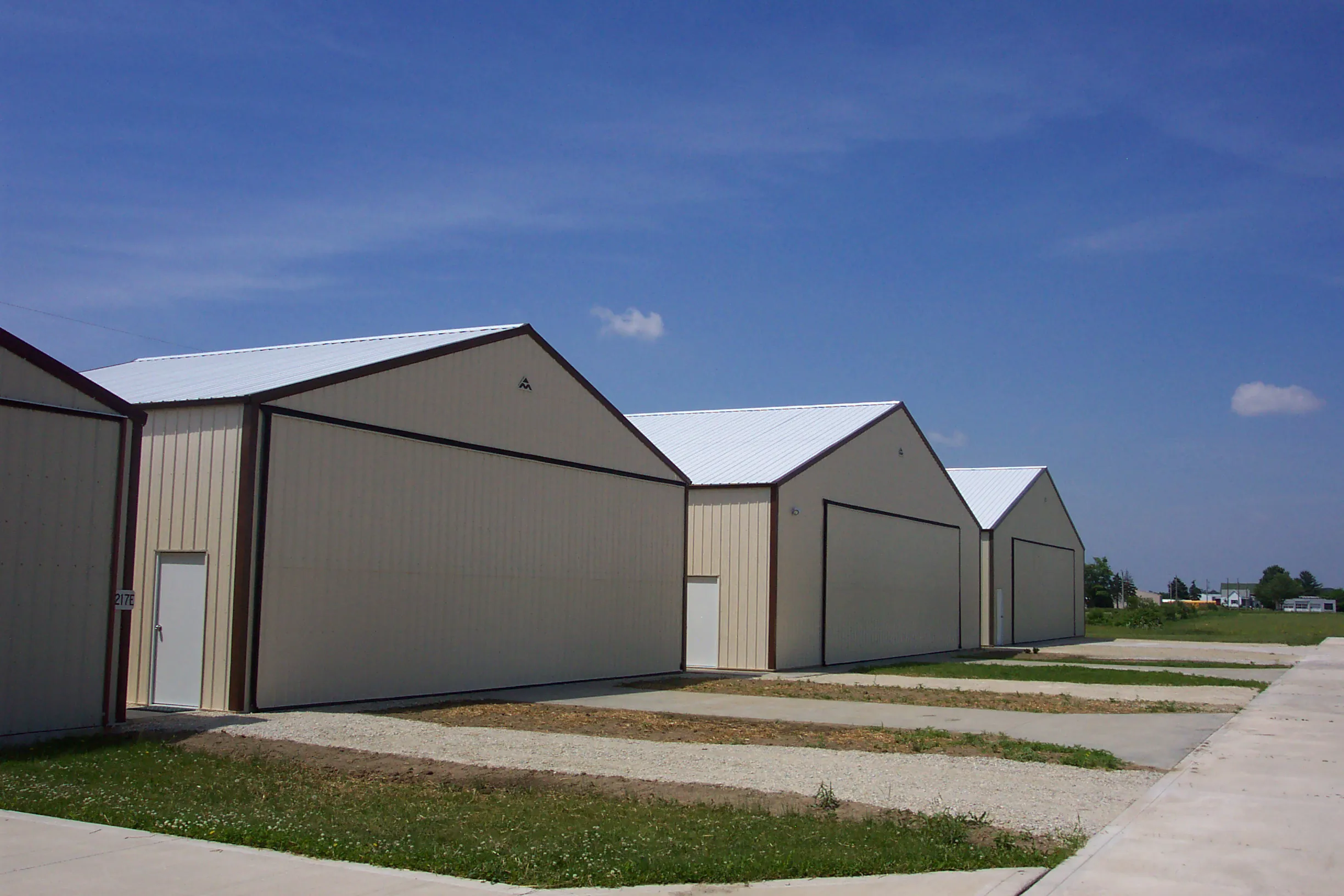
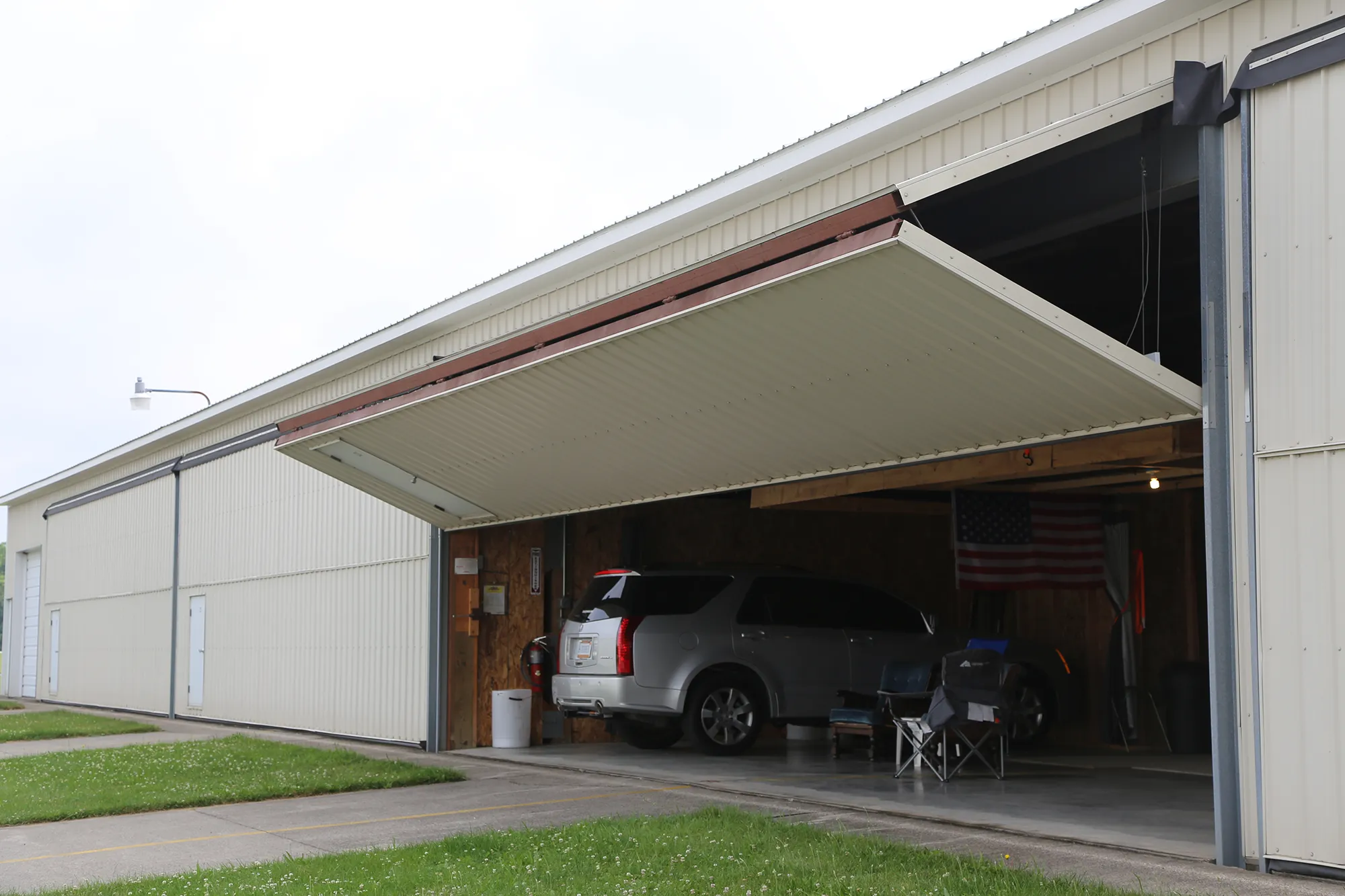
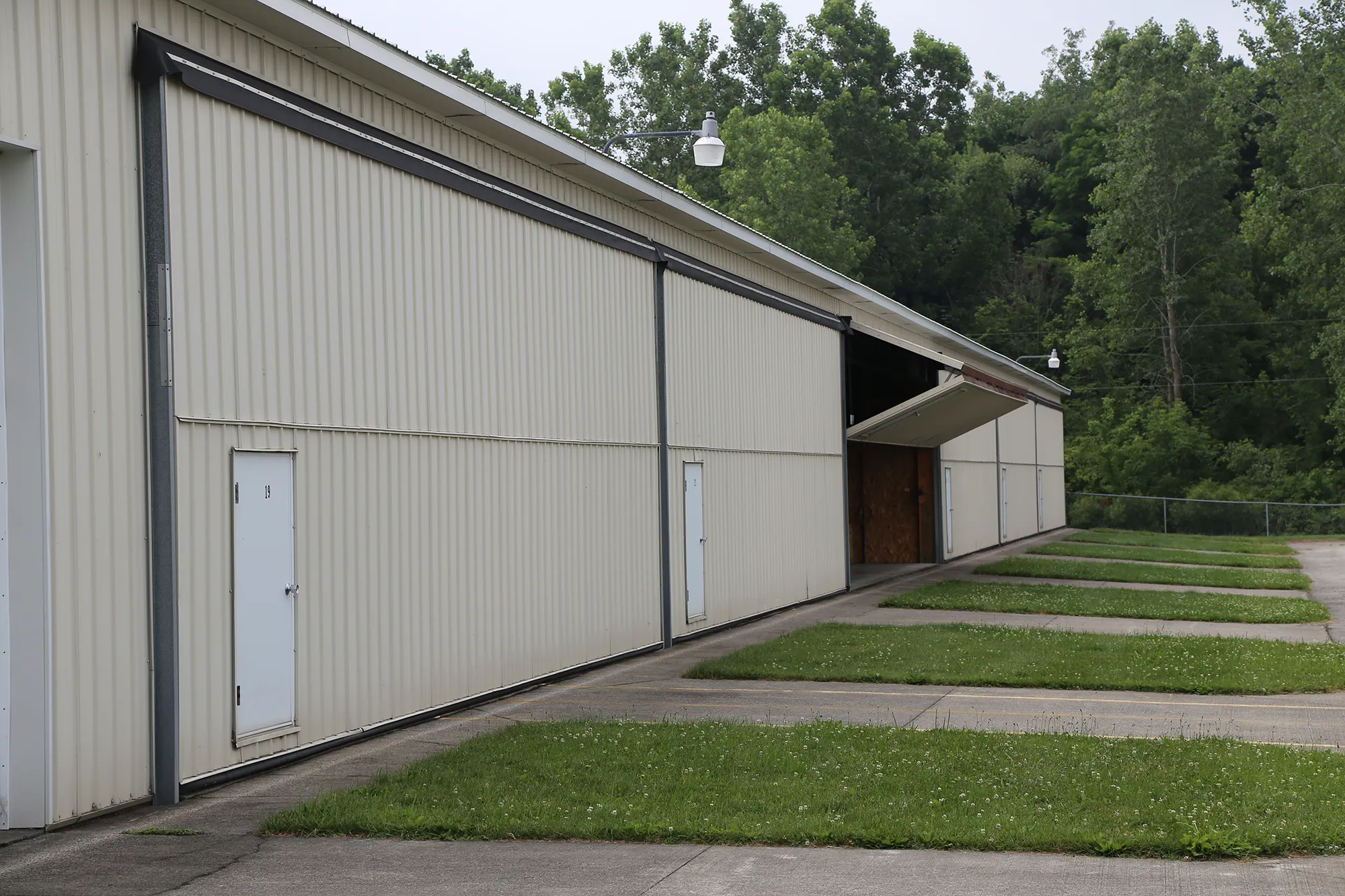
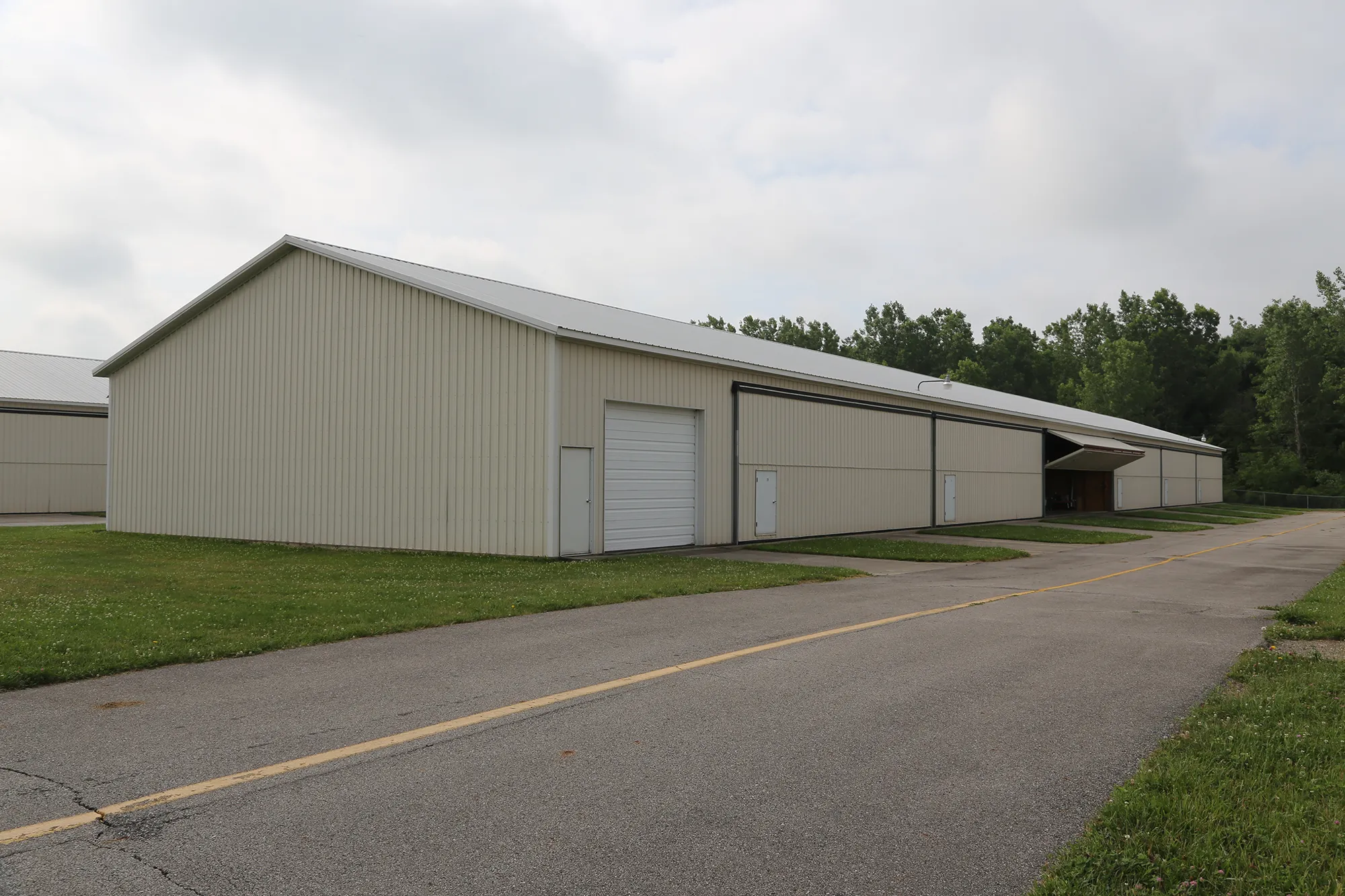
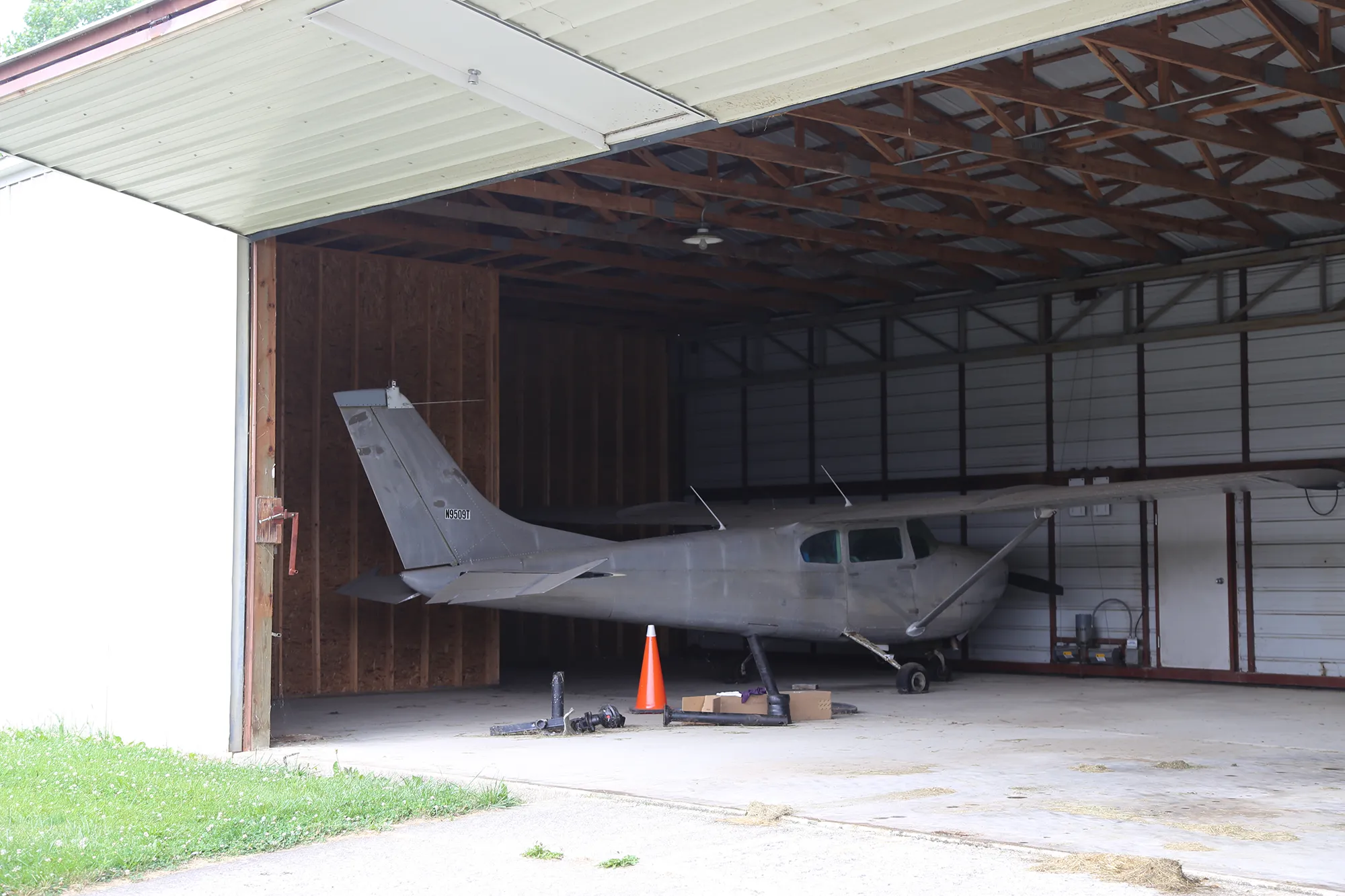
Airplane hangars require reliable access, clear-span interiors, and durable construction that protects aircraft without adding unnecessary operating costs. Post-frame construction is a strong fit because it can deliver wide, clear-span interiors and large doors for aircraft movement while also making room for the business side of aviation, including offices, restrooms, break areas, pilot-ready rooms, and parts storage.

Key Advantages

  • Clear interior spans that accommodate a range of aircraft sizes
  • Custom hydraulic or bi-fold doors for wide, unobstructed access
  • Durable concrete slabs designed to support aircraft loads and movement
  • Lighting, HVAC, and layout options that support comfort and safe daily use

Build with a Commercial Contractor Who Owns the Whole Process

Commercial projects involve design engineering, special permitting, local codes, utilities, sequencing, and many other variables that shape how well a building performs. Meyer Building brings decades of commercial post-frame experience to that complexity, serving as both designer and general contractor when needed. Our team plans each structure around real operational requirements, coordinates approvals, manages trade schedules, and ensures that interior and exterior finishes support the way your business functions.

Let’s talk about your business, your site, and your timeline. Call (260) 565-3274 or contact Meyer Building online to design a post-frame commercial building that supports your work from day one and adapts as you grow.
 

Why More Businesses Are Switching to Post-Frame Building Construction

Why More Businesses Are Switching to Post-Frame Building Construction

Business owners across the Midwest are rethinking how they approach new construction and building expansion. Many who once assumed steel or stick-built structures were the only professional options are discovering the advantages of post-frame commercial buildings. As more companies look for smarter, faster, and more flexible ways to grow, post-frame building construction is being recognized as a modern, high-performing alternative that helps businesses grow efficiently and affordably.

Why Businesses Are Choosing Post-Frame Buildings

When establishing or expanding a facility, business owners often face high construction costs, long build times, and disruption to daily operations. Post-frame buildings are efficient to build without having to sacrifice professional appearance or durability. Some of the top reasons businesses are switching to post-frame buildings include:

Construction Speed

Crews can complete large, open spaces more efficiently, reducing overall build time for both new facilities and expansions. Because post-frame buildings don’t require multiple interior load-bearing walls for strength, they take less framing and foundation work than conventional structures. 

Cost Effectiveness

In addition to tighter construction timelines, less framing and foundation work means lower material and labor costs, making post-frame construction a cost-effective way to add square footage or build new facilities. A post-frame building from Meyer Building can begin around approximately $35 to $50 per square foot. Additional expenses depend on custom layouts and features such as insulation, premium interior finishes, and specialized design requirements. Costs can reach approximately $150 to $200 per square foot covering the full scope of a post-frame commercial building project, remaining much lower than traditional Midwest commercial construction that can climb to more than $700 per square feet.

Design Flexibility

Post-frame buildings feature wide, column-free interiors that support a range of layouts and uses. Because the columns carry the roof load instead of interior walls, floor plans can be configured for offices, storage, or production areas without structural limits. Windows, doors, and large overhead openings can be placed where they are most useful, while exterior finishes such as steel, brick, wood, or stone make it easy to align the look with surrounding architecture or branding.

Energy-Efficient Envelopes

Post-frame buildings can be quite energy-efficient. The wide spacing between structural columns creates large wall cavities that can be fully insulated without interruption, allowing for continuous insulation coverage and fewer thermal gaps. This design limits air leaks and helps regulate indoor temperatures throughout the year.

For buildings that require temperature control, Meyer Building recommends insulation and ventilation systems based on how the space will be used. Shops, offices, and mixed-use facilities often benefit from full wall and ceiling insulation, while unheated storage areas may only need moisture protection. With the right balance of insulation, air sealing, and steel panel protection, post-frame buildings maintain a comfortable interior environment while keeping energy costs manageable.
Durability and Longevity

Meyer Building post-frame structures are built to last, using materials and methods proven over decades in the field. The patented Perma-Column® foundation system supports each building, made of 10,000 psi concrete and robotically welded steel brackets that keep wood completely above grade to prevent rot and moisture damage.
Our trusses are engineered and stamped for accuracy, built in-house with MSR-rated lumber for consistent strength. Exterior panels are fabricated from 80,000 psi high-tensile steel and finished in long-lasting Kynar 500® or Silicone Modified Polyester (SMP) coatings for superior fade and chalk resistance.

Combined with American-made components and careful attention to detail, these materials create a structure that resists the elements and maintains its appearance and performance for decades with minimal maintenance.

Meyer Building’s Post-Frame General Contractor Approach

You want a commercial construction partner who plans, coordinates, and delivers from start to finish. Meyer Building brings highly skilled and experienced general contractor capabilities to every commercial post-frame project, so you can avoid managing multiple vendors and the schedule conflicts or finger-pointing that slows jobs.

If you want a post-frame building contractor who treats your facility like a high-end business investment, not just a roof and four walls, Meyer Building fits the role.

Turnkey Post-Frame Construction

Meyer Building handles all aspects of construction, including permitting, site coordination, and utility planning. We also coordinate with subcontractors and oversee general contracting details, so your project moves forward smoothly. You get one point of contact and one timeline that ties everything together.

Code-Ready Detailing

We design for your occupancy from day one, including egress, snow and wind loading, fire separation strategies, accessibility, and mechanical, electrical, and plumbing integration. Meyer Building navigates all the permitting complexities, from zoning, setbacks, and utility easements to planning reviews with the local regulatory authorities. You clear the necessary approvals faster because we submit complete, stamped documents in the right sequence.

Clear Communication

Meyer Building collaboratively keeps you in the loop from the beginning, and we map decisions in sequence. First zoning and setbacks, then foundation and utilities, then structure and envelope, and finally interiors plus mechanical, electrical, and plumbing finishes. You’ll always know what’s happening and what comes next.

Right-Sized Specifications

There’s no one-size-fits-all template with Meyer Building. The best post-frame building projects begin with a collaborative and consultative design process. We begin by learning the workflow of your business, studying traffic patterns, and mapping necessary movement in order to design and plan with clarity. 

We set customer and staff entrances to draw people in and keep wayfinding simple, placing doors, docks, and aisles where they speed turns and cut risk. We can match exterior profiles and colors to an existing building or established brand—or create an all-new, eye-catching look. Inside, we finish offices and sales floors with the materials and details that project a professional feel.

We guide businesses through educated decisions on details like steel panel systems, insulation R-values, and the right finishes to match your operations. Every recommendation and choice supports daily use, helping your facility function effectively and look right from day one to year 10.

Build Beyond Business as Usual: Partner with Meyer Building

If you are looking for modern aesthetics, a clean interior, and a schedule that respects your reality, consider post-frame building construction for your business. Meyer Building manages the entire process from planning and permits to construction and finishing, so you can focus on your business. Our team works as a true partner, offering clear pricing, steady communication, and a commitment to quality that lasts long after the final walkthrough.

Call (260) 565-3274 or contact us online to learn more about your business’s post-frame commercial building possibilities.

Why Steel Matters in Your Post-Frame Building

Why Steel Matters in Your Post-Frame Building

When planning a post-frame commercial building, a major concern our clients have is how long it will last. Our buildings have consistently held up for many decades thanks to high quality building materials. Steel is like your post-frame building’s armor, shielding your investment from weather extremes and heavy use. That’s exactly why steel matters in your post-frame building. That said, not all steel is equal.

Premium Steel Panels: Proven Results

Meyer Building uses steel panels from McElroy Metal, a leading post-frame steel manufacturer in the nation. Backed by a non-prorated and labor-inclusive warranty, their 29-gauge, heat-treated, full-hard, high-tensile steel has a minimum yield strength of 80,000 PSI for high-strength resilience and dent resistance.

We specify Silicone-Modified Polyester (SMP) as our standard steel panel paint system for post-frame applications. SMP paint delivers durable, long-term value with strong UV protection, scratch and weather resistance, and a broad palette of 34 fade-resistant colors to complement existing structures and brand palettes.

For customers who want maximum color hold and chalk resistance, Kynar 500® polyvinylidene fluoride (PVDF) paint is an available upgrade option. PVDF coatings keep gloss and hue longer in high-sun-exposure applications and help new additions perfectly match original buildings years later.

Why Steel Matters in a Post-Frame Building

When you hear terms like 29-gauge, heat-treated, or high-tensile steel, they may sound technical, but each one contributes directly to how your post-frame building performs and lasts.

29-Gauge Thickness

A 29-gauge panel strikes the right balance between strength, flexibility, and efficiency for most Midwest agricultural, commercial, and community uses. It’s thick enough to handle wind, impact, and everyday wear without adding unnecessary weight, making it a practical, cost-effective choice for many post-frame projects.

Meyer Building also offers 26-gauge steel as an upgrade option for customers who want added dent resistance, durability, and peace of mind in extra-demanding or unique use cases. In many Midwest post-frame applications, 29-gauge panels deliver the durability, weather protection, and clean appearance you need without added cost or weight.

Heat-Treated, Full-Hard Steel

Heat-treating and full-hard processing increase the hardness of the steel, which improves its rigidity and dent resistance. This means panels hold their shape better under load, stay straighter over time, and resist the small dings that can happen during installation or weather events.

High-Tensile Strength (80,000 PSI Minimum)

Tensile strength measures how much force a material can withstand before it deforms. At a minimum of 80,000 PSI, this high-tensile steel provides exceptional structural integrity and resistance to bending or warping under pressure, from heavy snow loads, wind gusts, and daily stress.

SMP (Silicone-Modified Polyester) Paint Coating

SMP coatings are Meyer Building’s preferred standard for post-frame steel paint. They offer a durable finish that resists scratching and weathering while providing strong UV protection. Though less fade-resistant than PVDF, SMP coatings still deliver excellent performance and long-term value in most climates.

Kynar 500® (PVDF) Paint Coating

Kynar 500® holds its gloss and hue even after years of sun exposure, so the building maintains a like-new appearance far longer than panels with standard paint systems. If future expansion is a possibility for your building down the line, we recommend Kynar 500® paint for consistency and uniformity between the original structure and the building addition.

McElroy Metal Kynar on Building Addition

Post-Frame Steel FAQs

What does steel gauge mean, anyway?

The gauge refers to the steel’s thickness, with lower numbers indicating thicker steel. Most post-frame builders will offer 29- or 26-gauge steel. It’s helpful to know that not all steel panels are equally constructed. Some suppliers’ steel panels are at at the thin end of the allowable range, and may include the paint layer in the measurement rather than just the steel substrate. 

Does thicker steel automatically mean better quality?

Not necessarily. While thicker panels can add weight, the real indicator of quality is tensile strength—how much force the steel can take before it bends or dents. A well-made 29-gauge panel with high-tensile, heat-treated steel can outperform a thicker panel made from softer material.

What makes 29-gauge steel a good choice?

It’s engineered to balance strength and efficiency. 29-gauge panels are thick enough to stand up to wind, snow, and impact, but light enough to avoid putting stress on the framing system—ideal for large spans and agricultural or commercial applications.

How long do steel panels last?

With high-tensile, heat-treated steel and durable factory coatings, properly installed post-frame panels can last for decades. When maintained and kept free of debris, their strength and finish protect the structure far longer than many traditional materials.

Why focus on tensile strength instead of just gauge?

Tensile strength (measured in PSI) tells you how much pressure the steel can withstand before deforming. Our panels meet or exceed 80,000 PSI, which means they’re engineered to stay straighter and last longer under the demands of wind, snow, and temperature swings.

What kind of warranty protection is included?

The steel we use from McElroy Steel comes with a non-prorated, labor-inclusive warranty that covers both material performance and finish durability. We walk you through the details so you know exactly how your investment is protected from the start.

The Bottom Line: Meyer Building is a Top Choice for High-Quality Steel

Steel defines how your post-frame building stands the test of time. With premium 29-gauge panels, high-tensile strength, and durable paint finishes, you get the lasting protection and polished look your investment deserves. McElroy Metal’s proven materials offer dependable performance and color options, while Meyer Building brings it all together with craftsmanship.

Let’s talk about what you’re planning. Call (260) 565-3274 or connect with Meyer Building online to start planning a post-frame commercial building built to perform for decades.

Fertilizer Storage Building vs Fabric Structure for Midwest Farms

Fertilizer Storage Building vs Fabric Structure for Midwest Farms

Fertilizer isn’t cheap, and poor storage conditions can mean clumping, lost volume, extra labor, or even compliance issues. That’s why many farmers compare a fertilizer storage building vs fabric structure. Both get the product under shelter, but they serve different needs. The best option depends on how much fertilizer you move, how long you plan to use the facility, and whether you want a short-term fix or a structure that can grow with your farm.

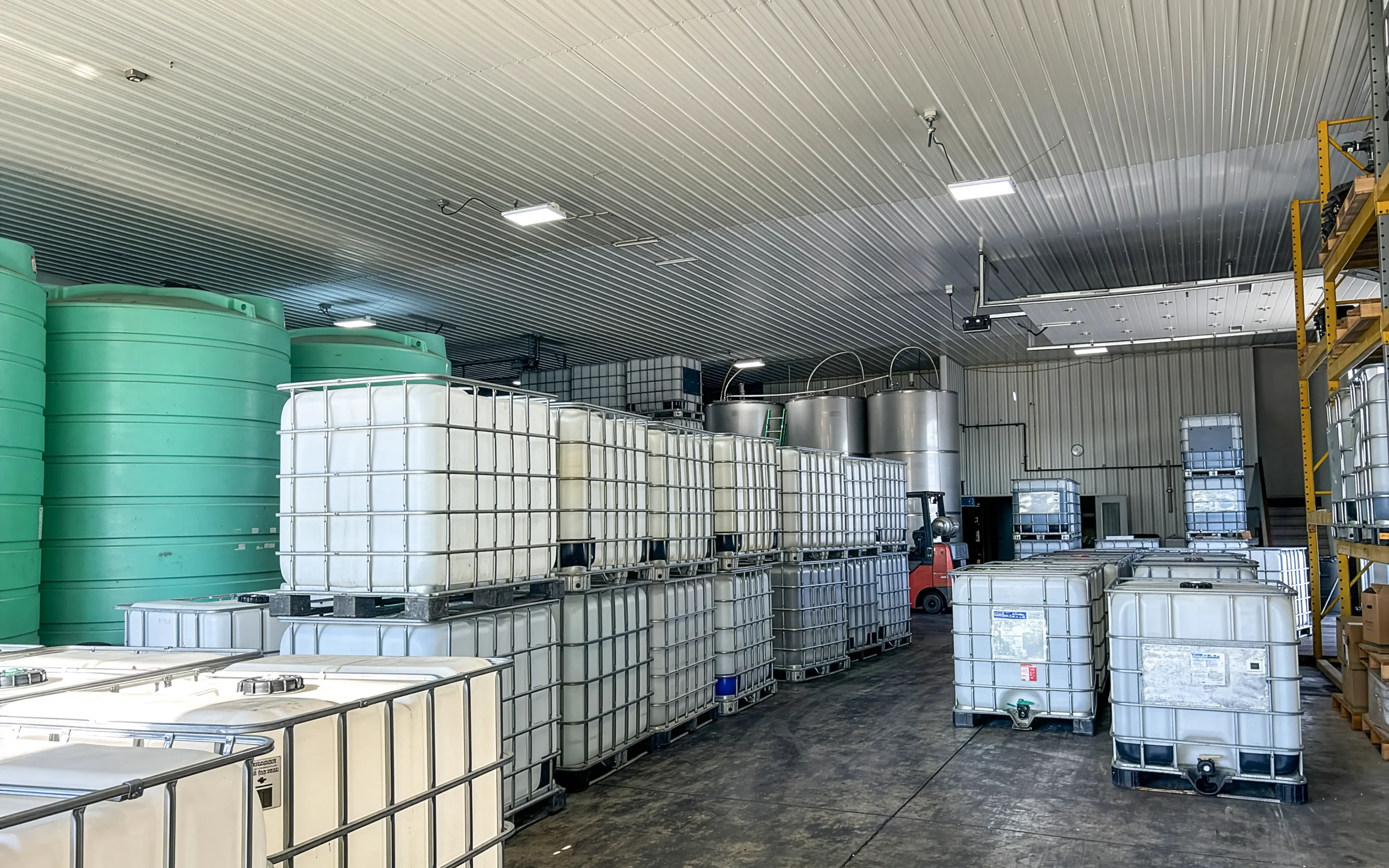
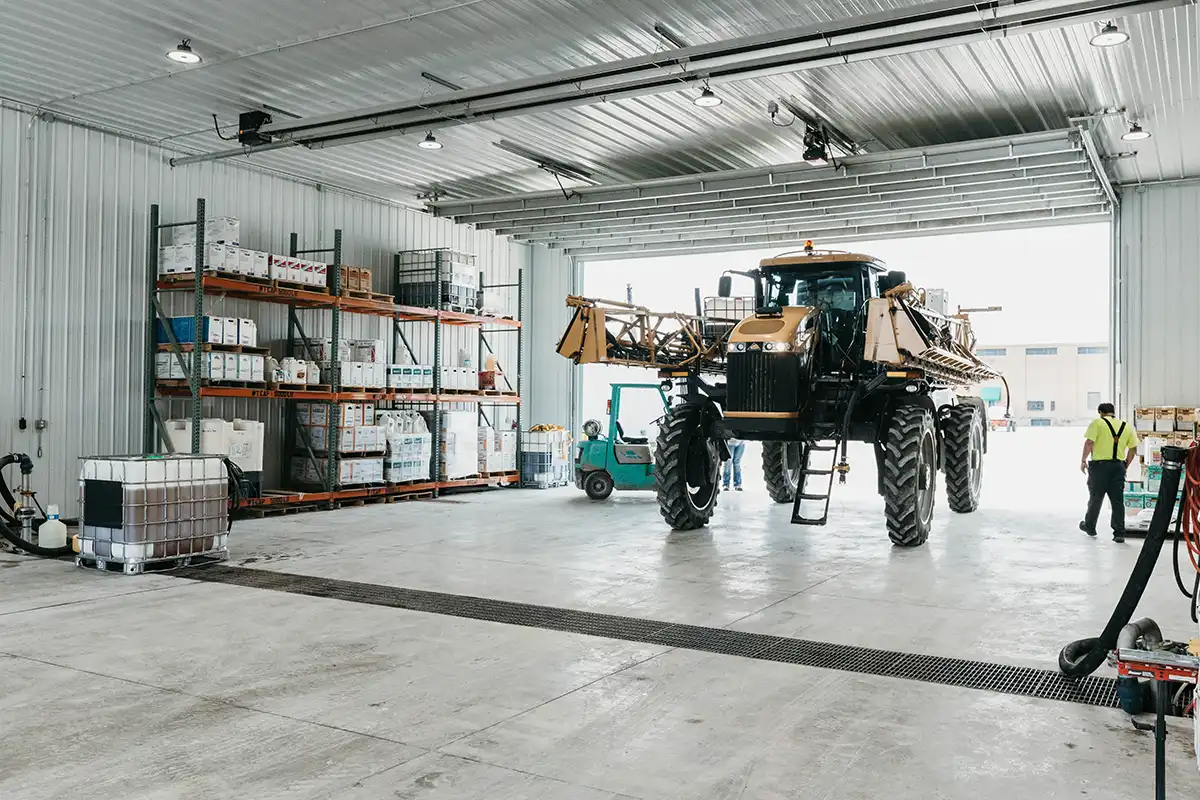
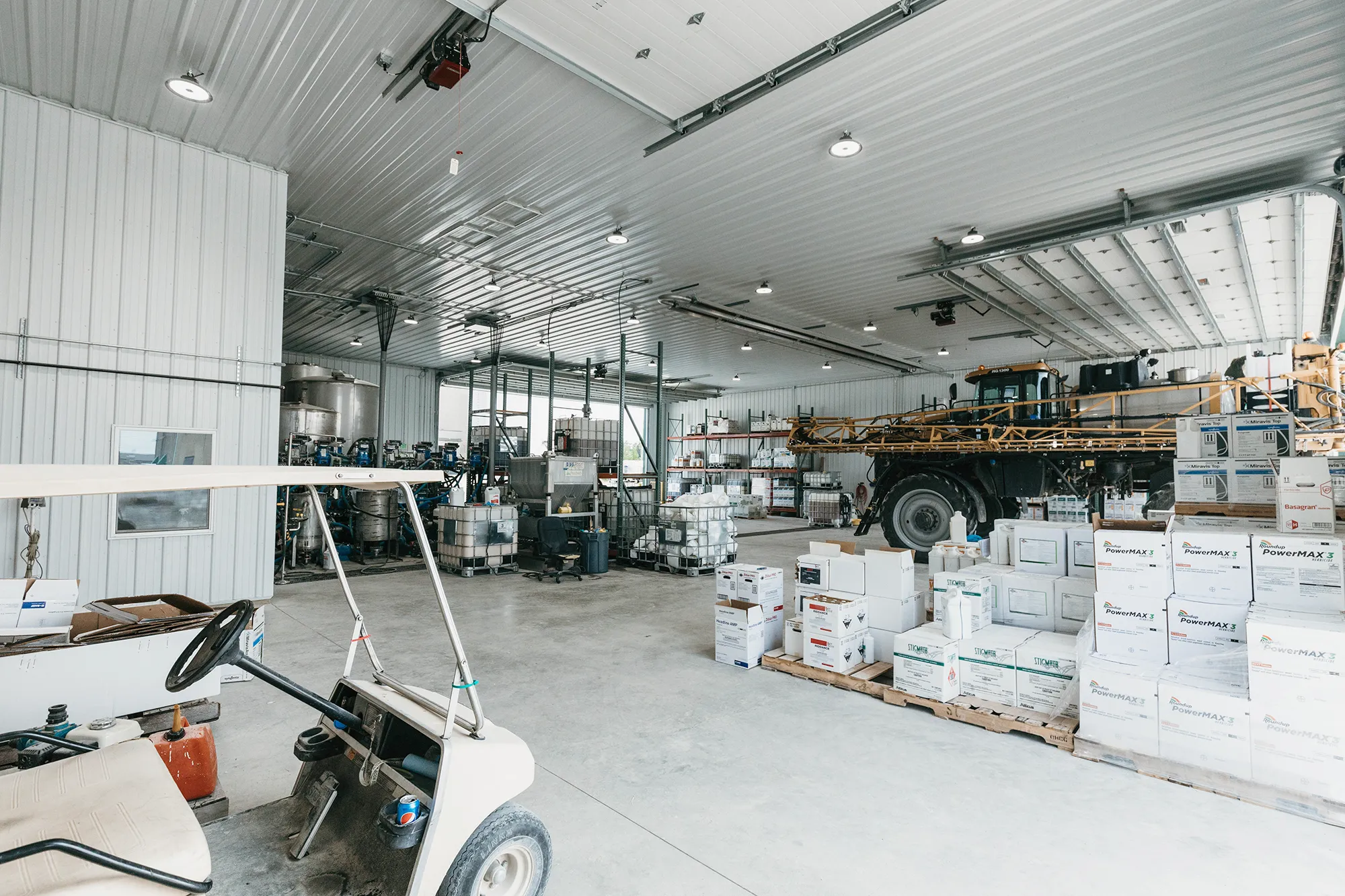
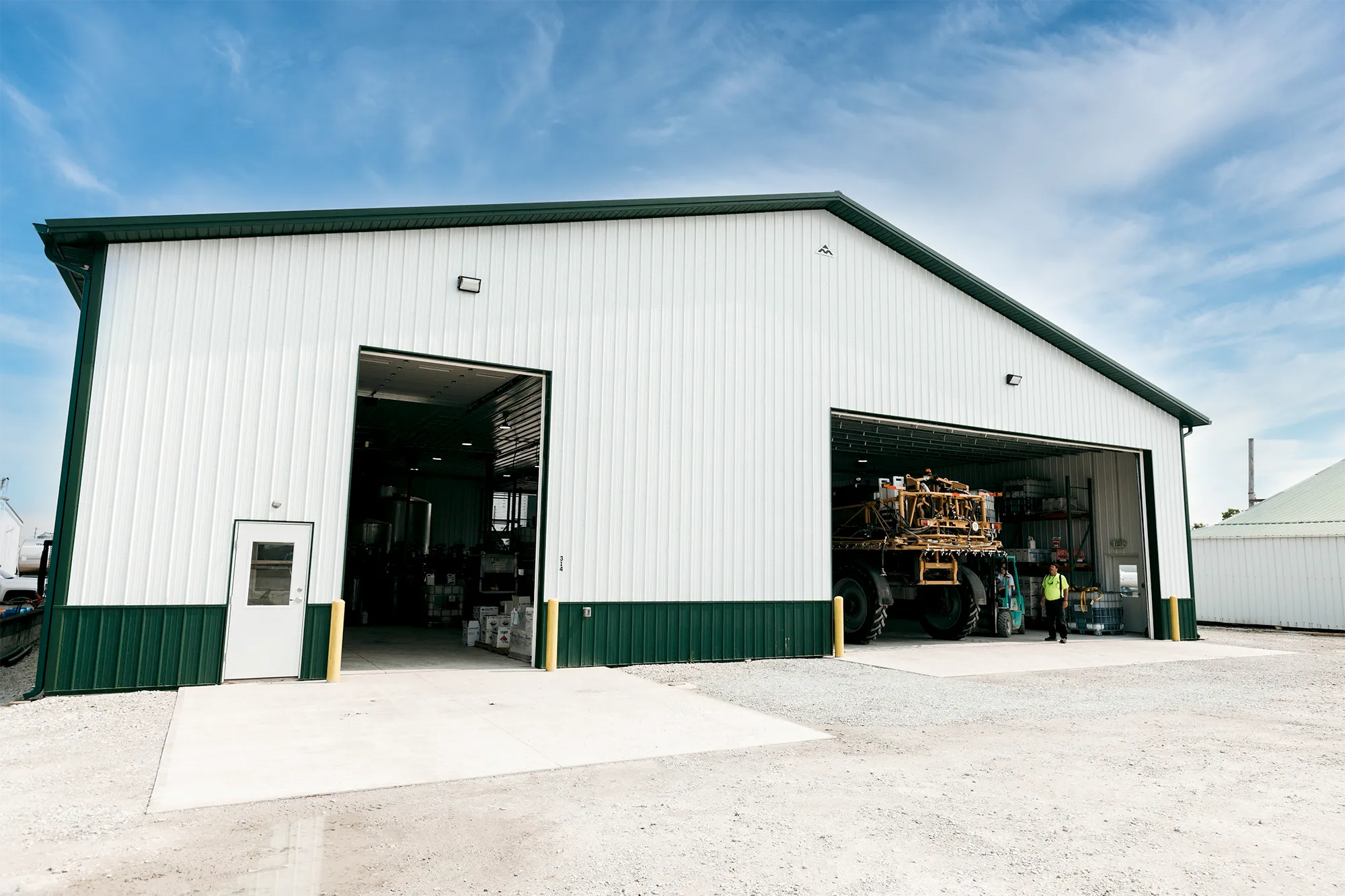
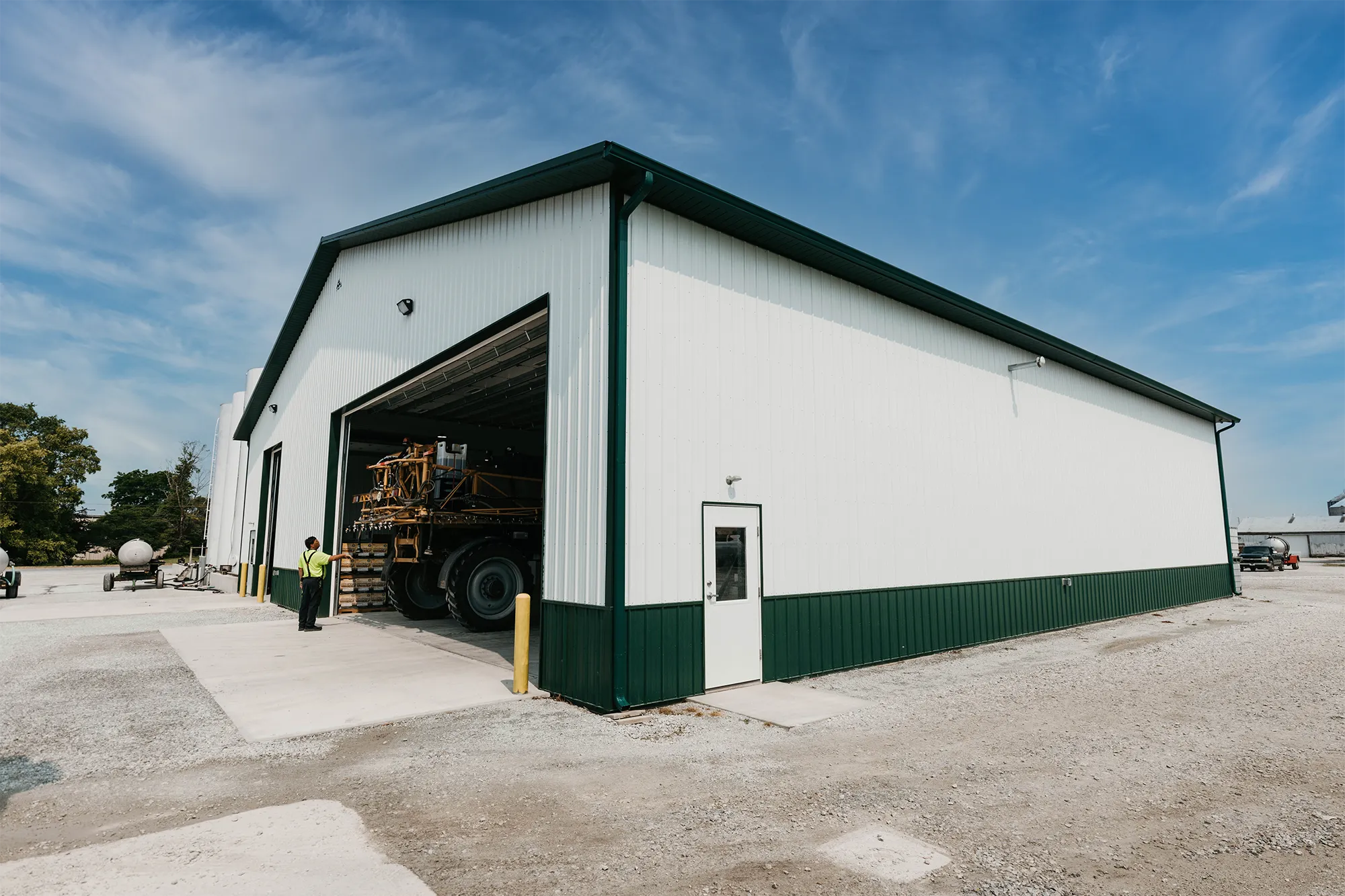
fertilizer storage building interior

Permanent Post-Frame Fertilizer Storage Buildings

Permanent post-frame fertilizer storage buildings are engineered for high-volume, long-term use. Farmers who move a lot of fertilizer each season often pick this option for its durability, flexibility, and ability to keep fertilizer usable year after year.

Advantages

Durability

Concrete walls and Sturdi-Wall Plus brackets in conjunction with a footer-foundation resist fertilizer’s corrosive environment. By design, these buildings stand up to loaders, conveyors, and repeated traffic without walls bowing out or posts breaking down.

Moisture Control

Ventilation systems such as ridge vents and fans can be tailored to hold humidity in check. Insulated envelopes prevent condensation from forming on tanks and walls—a common source of contamination and clumping in lesser setups.

Operational Efficiency

Clear-span interiors give loaders and conveyors space to work. Wide doors and drive-through bays simplify bulk deliveries and loading. Custom builders can plan layouts for safe traffic flow and staging areas that save time during the busy season.

Flexibility for Growth

Permanent structures allow for expansion or reconfiguration as acres increase. Some farmers later repurpose them for machinery or crop storage, stretching their value across multiple decades of service.

Compliance-Ready

Custom post-frame buildings can be engineered to meet Indiana and Ohio fertilizer storage regulations from the start, avoiding costly retrofits later.

Considerations

Upfront Investment

A permanent fertilizer storage building costs more than a fabric option. But when you spread that cost over 20-30 years, the annual expense is often lower.

Longer Build Timeline

Site preparation, concrete work, and framing take time. Farmers planning to use the building in spring should expect a months-long schedule, not weeks.

Fabric-Covered Fertilizer Structures

Advantages

Lower Initial Cost

Fabric structures cost less to erect. They let farms cover fertilizer without the financial weight of concrete walls and a framed roof.

Fast Installation

Many fabric buildings go up in a matter of weeks. For operations facing a delivery deadline, speed can outweigh other considerations.

Airflow and Light

The translucent fabric allows natural light in and promotes airflow. That helps limit condensation and keeps the dry fertilizer more manageable.

Considerations

Shorter Service Life

Fabric doesn’t hold up as long as wood and concrete. Covers need replacement, and steel frames eventually wear down. Over 10–15 years, repair and replacement costs add up.

Weather Exposure

Heavy snow, strong winds, or accidental tears can shorten the structure’s life. Farmers in the Midwest often report cover damage after harsh winters.

Corrosion Still a Threat

Even under fabric, you still need a durable containment floor. Fertilizer dust and moisture will attack steel fasteners and framing just as aggressively as in other environments.

Compliance Challenges

In Indiana, the Office of Indiana State Chemist and Seed Commissioner (OISC) states that once you store more than 2,500 gallons in a single tank or 12 tons of dry, containment and pad requirements apply. According to the Ohio’s Department of Agriculture, in Ohio, more than 5,000 gallons of liquid stored for 30+ days requires engineered containment and API-rated tanks. Retrofitting a fabric setup to meet those standards can be costly.

Meyer Building’s Approach

Meyer Building helps farmers across northern Indiana and Ohio weigh these choices and plan facilities that balance cost with long-term durability. Our designs include:

  • Materials that resist fertilizer’s corrosive effects

  • Custom ventilation systems to control humidity and keep product flowing

  • Clear spans and drive-through bays that improve traffic flow and save time at transfer

  • Compliance and permitting, so you can focus on running your operation while we handle state requirements

We design and build for decades of service, so your facility is ready for today’s compliance standards and tomorrow’s growth.

Looking Beyond Initial Cost

When comparing fertilizer storage building vs fabric structure, think about the first five years versus the next twenty. Fabric will get you covered quickly and for less money up front, but the replacement cycle and weather risks add cost over time. A permanent building takes longer and costs more at the start, but it gives you lasting protection, efficiency, and compliance confidence that fabric simply can’t match.

Call (260) 565-3274 or contact us online to discuss which fertilizer storage option fits your farm’s needs.