
A Homeowner’s Guide to Residential Post-Frame Buildings
Want more room for hobbies, hosting, storage, or year-round recreation? Residential post-frame buildings, often called pole barns, give you a practical way to add usable space without a complicated home addition. Post-frame construction supports open layouts and flexible planning that fit real life on Northeast Indiana and Northwest Ohio properties.
In this guide to post-frame residential buildings, you’ll learn how to:
- Plan a layout that supports daily use and future changes.
- Decide where comfort upgrades make sense, including insulation, ventilation, and HVAC by zone.
- Plan utilities and openings early, including power, plumbing, drainage, and door placement, to avoid future rework.
- Choose the right residential building type for your property.
- Prepare for approvals and site planning with a checklist that reduces redesigns and delays.
How to Plan a Residential Post-Frame Building Layout
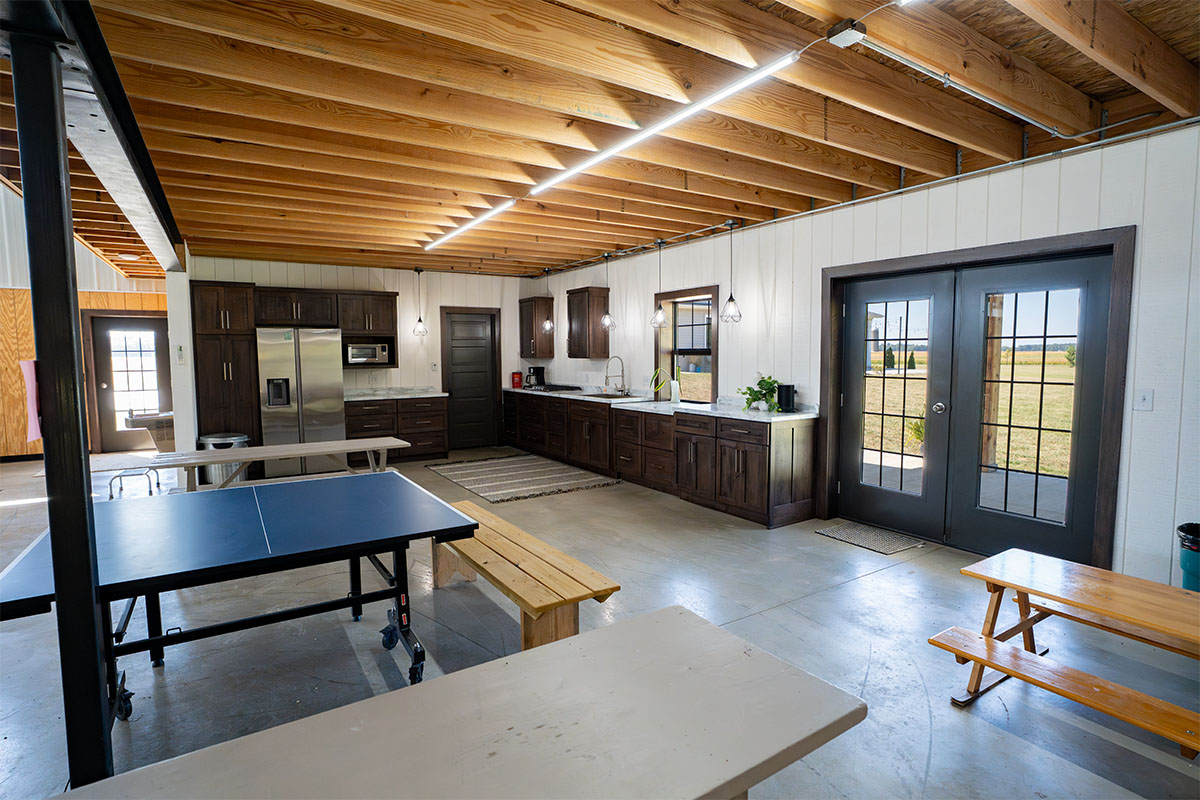
Plan your building by defining weekly use first, then design the flow. Many regrets around residential building additions stem from homeowners picking size and exterior style before they define how the building should work on a normal week. Start with use, then design the flow. A residential post-frame building can support almost any layout, but the plan still needs a clear purpose and a clear flow.
Begin by writing down your “day-one” uses and your “likely next” uses. Day-one uses might entail hobby work, accessory storage, and a place to host family or neighborhood gatherings. Next uses might include a home gym, woodworking space, a sports court, seasonal canning kitchen, or a dedicated bay for a future recreational vehicle.
Your usage lists should guide every structural and layout decision for your new residential building.
Map Movement Before You Choose Rooms
Think about how people and equipment enter, where wet or dirty traffic lands, and where you want clean space to stay clean. This is where thoughtful zoning earns its keep. Put messy work, lawn equipment, or seasonal storage on one side. Put gathering space, fitness, and finished rooms on the other side. A good plan prevents the “everything everywhere” problem that can make big open buildings feel chaotic.
Use Clear-Span Structure as a Flexibility Feature
Post-frame construction allows wide, open interiors that do not rely on interior load-bearing walls. That flexibility matters when you want to rework space later without structural changes. You can add partitions, storage rooms, or a future office without redesigning the core frame.
Treat Height as a Decision, Not a Default
Extra wall and ceiling height come with costs, so tie it to a real purpose. Lofts, mezzanines, sport clearance, and expanded storage justify taller heights. If you only need height in one zone, plan that early so you don’t pay to heat and light space you never use.
Plan Future Flexibility on Purpose
A second-phase loft or mezzanine can add zoned separation without closing in the main floor. A framed endwall designed for expansion can allow future growth without tearing into finished areas. Stub locations for future doors and plan utilities for future power or water needs to save serious rework later.
Good residential buildings aren’t just effective because they look sharp on day one. Lasting aesthetics are important, but the best structures have staying power because they’re adaptable and flexible when needs or uses change.
Plan Site Placement & Approvals Before You Fall in Love With a Layout
Setbacks, easements, drainage paths, and HOA rules often decide where your building can sit and how large it can be. A simple concept plan can turn into redesign loops when the site or township requirements show up late. Start early with three items: a basic site sketch or survey, utility locations, and your intended use. Then confirm setbacks, height limits, and access requirements before you finalize doors, drive lanes, or porch placement.
When your builder handles approvals early, you protect your layout and prevent last-minute changes that add cost and delay.
How to Keep a Post-Frame Building Comfortable Year-Round
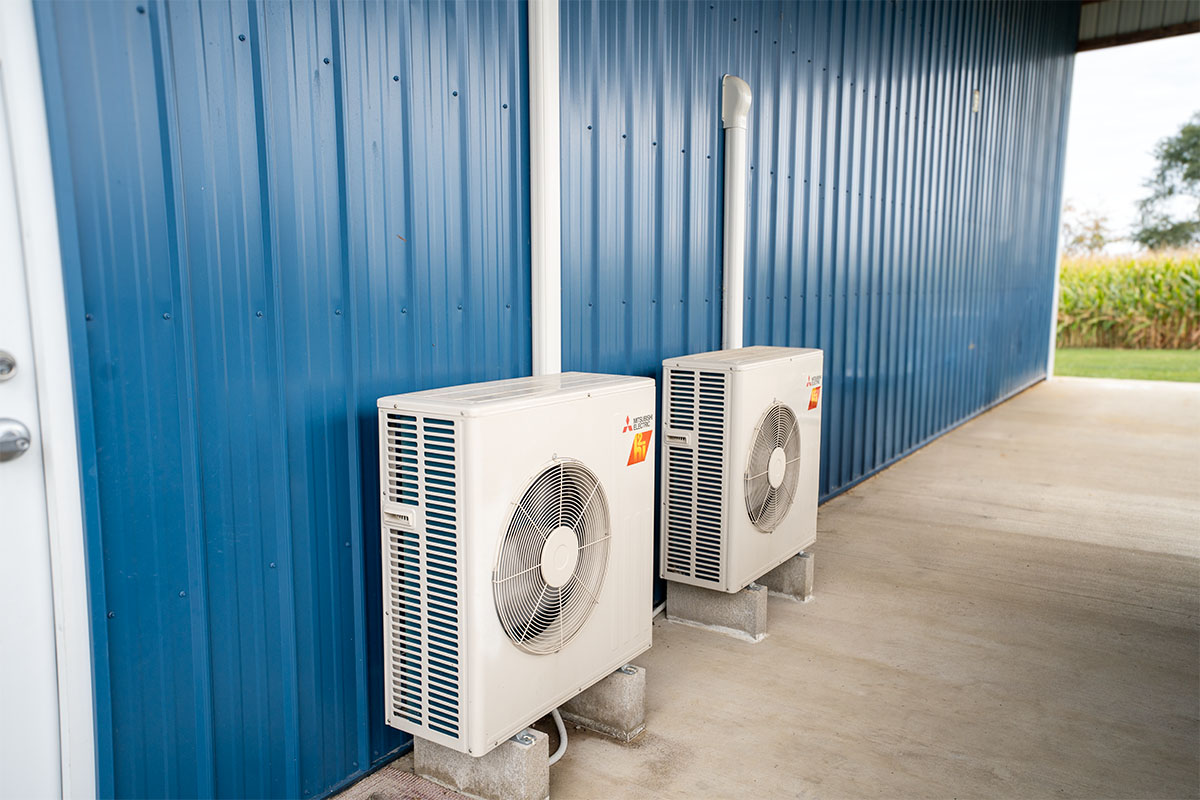
Start with one decision that clarifies comfort needs: Will you use the building weekly from November through March? If yes, you need a plan that controls temperature and moisture all year. If not, you still need moisture control, but you can right-size the rest.
Homeowners often think about comfort as a single choice, usually insulation. Comfort actually comes from a system. Insulation, air sealing, ventilation, and HVAC must work together, especially in Northeast Indiana and Northwest Ohio, where humidity swings and winter cold expose weak plans fast.
Zone Comfort Instead of Overbuilding the Entire Footprint
Many residential buildings support a mix of uses. You might have a finished hangout corner, a workshop bay, and storage for seasonal equipment. If you insulate and heat every square foot the same way, you may pay for comfort where you do not need it. Post-frame buildings allow deep wall cavities and practical zoning, so you can invest in comfort where you spend your time.
Plan for Humidity & Condensation Early
Wet gear, snowmelt, and bodies in active spaces can add moisture to a building quickly. Humidity can show up as condensation on cold surfaces, and it can shorten the life of finishes and equipment. Ventilation and proper vapor control matter as much as R-value. Ridge and soffit ventilation can support baseline airflow, while spot exhaust can handle high-activity or wet areas. You and your builder should match the moisture strategy to the building’s intended use.
Choose HVAC Based on Behavior, Not Guesses
A workshop and a recreation space create different HVAC loads. An area that hosts large groups or hosts fitness activity needs more ventilation and better temperature recovery than an accessory storage bay. Plan mechanical placement, duct routes, and control zones early so you avoid boxed-in ceilings and awkward soffits later.
Treat Windows & Doors as Part of the Envelope
The best of insulation plans can still fail when doors leak air or windows do not fit the use. Right-size every opening, use quality weather sealing, check the R-values of overhead doors, and place doors where traffic needs them so large openings don’t create outdoor exposure longer than necessary.
Comfort pays off when it supports real use. A building that stays dry, warm, and stable becomes a space you use year-round instead of only sometimes when it stays comfortable.
Want to Avoid Comfort & Utility Surprises Later?
A short planning conversation can confirm insulation approach, HVAC options, and utility needs before drawings go deep. It’s the easiest way to prevent rework and budget creep. Contact Meyer Building today to schedule a consultation.
Planning Utilities & Interior Readiness
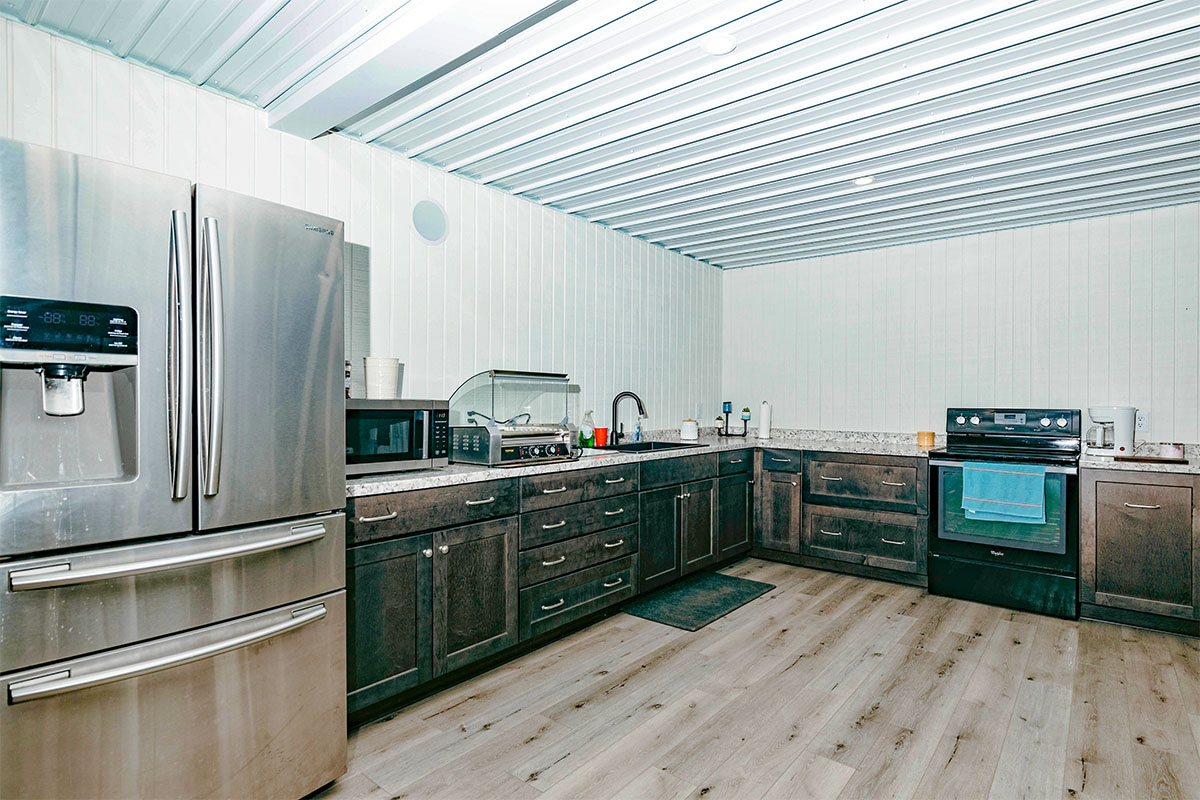
Utilities decide whether a residential building feels easy to use or constantly inconvenient. Plan the systems first, then protect the space with storage, and finish it in a way that matches how you’ll use it. This order keeps decisions clean and prevents rework.
Start With Power & Lighting for the Way You Work & Live
Residential buildings often evolve. A simple hobby space can become a serious workshop, or a recreation building can gain a sauna, sound system, and pickleball court.
Plan electrical service with headroom so you don’t get boxed in. Place outlets where people work and gather, not where a generic layout suggests, and plan lighting in zones to avoid harsh glares or dark corners.
Once you know where power and light need to land, you can place plumbing and drainage without fighting the layout.
Plan Water & Drainage to Contain Wet Traffic
Once you know where people work and gather, map where water needs to go and where it must not go.
If you add a kitchen, bathroom, changing room, wash area, or additional living quarters to your residential building, plumbing placement can affect layout more than many homeowners often expect. A smart plan keeps wet traffic contained, supports easy cleanup, and prevents a trail of drips around the building or back to the house. If you want flexibility, plan rough-ins early and finish later. You’ll protect layout options without locking every finish choice on day one.
After you set water routes, plan future chases and stubs so upgrades don’t force tear-out later.
Plan Future Upgrades Before Walls Get Finished
The rough-in phase gives you the cleanest chance to easily make accommodations for future changes and upgrades.
Plan a few future pathways now so you don’t tear into finished walls later. Run spare conduit where you might add power or data. Cap plumbing stubs where a sink, shower, or hose connection might make sense. Reserve a chase or a utility wall so trades can add lines without patchwork soffits.
When you plan these routes early, upgrades stay straightforward and the finished space stays clean.
Set Storage So Clutter Stays Contained
After you lock utilities, protect the floor plan with dedicated storage so equipment and clutter don’t take over the space.
Most residential buildings don’t face challenges or run out of room because they are too small, but because they lack dedicated storage. Balls, nets, tools, cushions, seasonal décor, and backyard equipment will spread into the main space unless you give them a home. Storage rooms, equipment closets, and loft space protect the open floor and keep the building usable.
Choose Interior Finishes That Match How the Space Gets Used
Finish choices should support the activities you plan to use your new building for, not just the look.
Durable panels and thoughtful wall systems reduce damage and ease repair. Finishes also influence echo, noise transfer, and comfort. That matters when the space includes tools, fitness equipment, bouncing balls, or large gatherings. Plan finishes by zone, with durability and no rough surfaces where impacts may happen, and warmth where people spend time.
Thoughtful interior planning determines whether the building becomes part of daily life or simply stays a “nice idea” you only use occasionally.
Which Residential Post-Frame Building Type Fits Your Property?
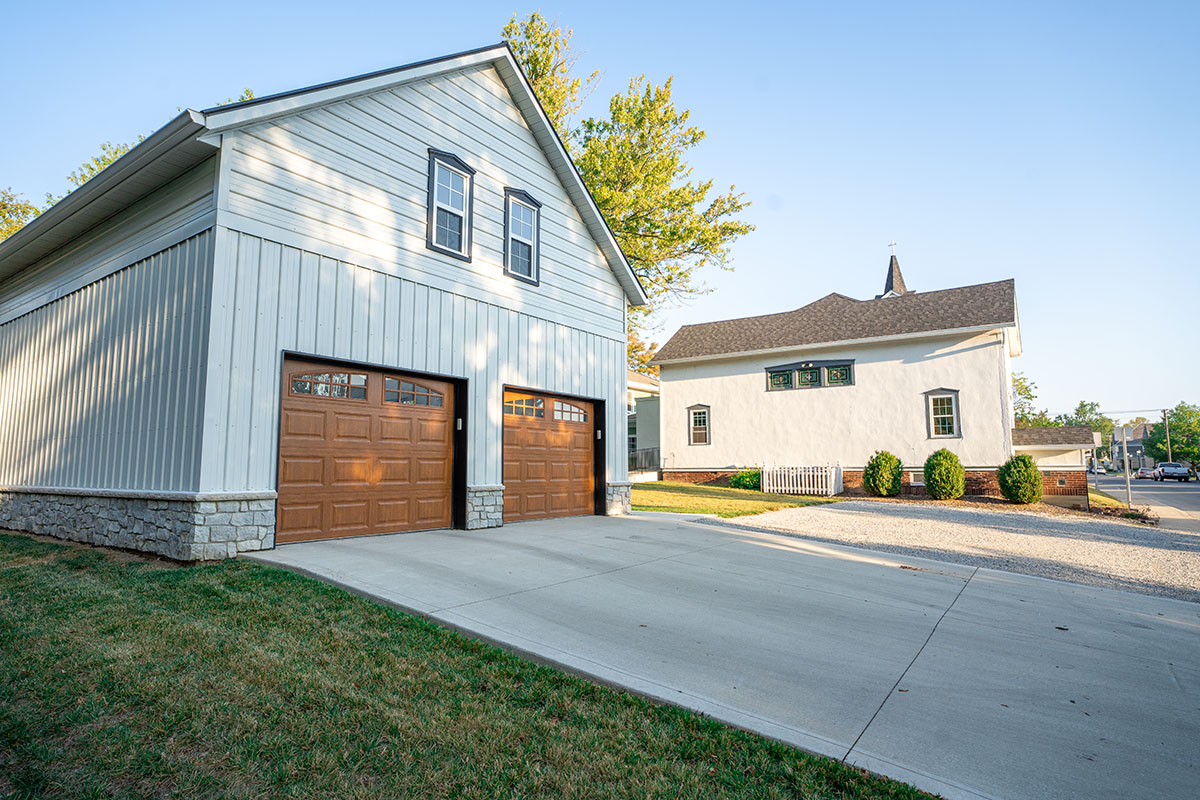
Residential post-frame buildings usually fall into three categories, with each category driving different priorities. When homeowners lock down the category first, they can make better decisions on size, openings, comfort, and finishes.
Recreational & Entertainment Buildings
Priorities: Clearance, Comfort, Lighting, Sound, & Storage
Recreation and entertainment buildings support year-round use and high-energy activity. They often include indoor basketball, volleyball, or pickleball courts, as well as fitness zones, golf simulators, or flexible gathering spaces. You need the right ceiling height, safe perimeter space, lighting that supports play, and sound control that keeps the space enjoyable. You also need seating and viewing zones if the building will host groups. Plan storage for nets, balls, tables, and seasonal items so the main area stays open.
Hobby & Workshop Buildings
Priorities: Doors, Workflow, Power, Ventilation, & Clean Storage
Hobby and workshop buildings succeed when they support productive workflows. Door planning matters because equipment and material access can determine daily friction or smooth operations. Utilities matter because power, ventilation, and drainage decide whether the space works year-round. Storage and organization matter because tools and equipment collections will inevitably accumulate and expand over time. A good workshop design includes clear spans, practical lighting, and finishes that clean up fast.
Accessory & Storage Buildings
Priorities: Access, Wet Traffic Control, Storage, & Durability
Residential accessory and storage buildings protect what you own and keep your property organized for everyday life. Pool houses, boat and RV storage, and mixed-use accessory structures often involve wet traffic and high seasonal use, so door sizing and placement matter for access. Covered porches and exterior extensions near the backyard pool or outdoor living space help create high-use outdoor destinations without requiring additional interior buildout.
When homeowners combine categories, zoning becomes the key. Put wet and messy uses where they won’t contaminate finished areas. Establish conditioned, finished zones where the family spends the most time. Post-frame construction makes mixed-use residential buildings practical because it allows for open spans and flexible layouts.
Homeowner’s Residential Building Master Checklist
Use this checklist to help guide early decisions, reduce redesigns, and keep your budget and timeline aligned.
Pre-Design Preparation
- List the primary use and the second most likely future use.
- Measure the largest items that must fit through doors.
- Sketch the site with drive lanes, drainage concerns, and utility locations.
- Decide how and when you will use the building most now.
- Think about the building’s potential future uses as your family’s lifestyle activities and needs change.
Layout & Expansion Planning
- Define zones for clean and dirty uses.
- Decide if a loft or mezzanine supports your plan.
- Identify a wall or end that could allow future expansion.
- Plan storage rooms so the main space stays open.
Comfort, Moisture, & HVAC
- Decide which zones need full insulation.
- Plan for ventilation that fits your activities and humidity loads.
- Choose heating and cooling based on the time you will spend inside.
- Confirm how you will manage condensation and wet traffic.
Utilities & Interior Readiness
- Size the electrical service with future headroom.
- Plan lighting locations around work zones or court zones.
- Decide on the plumbing scope early if you want a kitchen, bathroom, or wash area.
- Choose interior finishes that clean easily and reduce echo.
Approvals & Site Planning
- Verify zoning and setback requirements early.
- Confirm HOA design review needs if applicable.
- Align building placement with site elevation, drive lanes, and drainage in mind.
- Keep permitting documents organized and complete.
Ready to Plan a Residential Post-Frame Building That Fits Your Property?
Your new residential building should benefit your family on day one and still fit your life years from now. Meyer Building helps homeowners clarify layout, openings, comfort zones, utilities, and approvals before design gets locked in.
Get started with a short planning conversation, or try our Cost Estimator online post-frame calculator tool to explore size and feature ranges before you commit to a design.