
A Business Owner's Guide to Post-Frame Commercial Buildings
If you’re weighing timelines, code requirements, and a budget that makes the most sense, this guide to post-frame commercial buildings can help you chart a clear path. You’ll see how modern post-frame construction delivers brand-ready spaces, fast schedules, and long-term durability without boxing in future growth. We’ll cover planning moves that matter to owners, like site access, envelope choices, utility coordination, and interior workflows. Think of this as your field manual for shaping a commercial building that supports operations on opening day and scales with your business.
In this guide to post-frame commercial buildings, you’ll learn how to:
- Control cost drivers without sacrificing durability or curb appeal.
- Understand and align with code and egress requirements affecting permitting.
- Plan space, utilities, and finishes for day-one operations and future expansion.
Budget Levers That Move the Needle Without Gutting Quality
Whether launching a first location or expanding an existing operation, the budget needs to work without boxing in future growth. Post-frame construction gives owners several clear levers to control initial costs and long-term value. Here are the biggest budget levers, beginning with those that affect structure, then envelope, and then interior readiness.
Footprint & Span
Keep the rectangle simple. Straightforward plans with consistent bay spacing reduce material waste and labor hours. Clear spans are a strength of post-frame; choose the widest span that supports workflows without oversizing trusses. Save complex angles for canopies and entries where they impact curb appeal, not structure.
Height That Earns Its Keep
Extra interior height costs money, so make it pay for itself. Raise clear height where racking, vehicle lifts, or retail displays need it. Hold heights down in offices, break rooms, and storage mezzanines to trim envelope and HVAC costs.
Doors & Access
Right-size overhead doors to the largest real load, not a hypothetical. Fewer, better-placed doors often beat many small openings. Choose sectional doors for frequent cycling and maintenance simplicity; consider bi-fold or hydraulic where a single wide opening streamlines operations.
Facade Mix
Steel panels deliver durability at a strong value. Add masonry, stone, or wood accents only where public brand impact lives, such as entries, corners, or street-facing elevations. A targeted approach keeps the premium look without carrying premium costs around the entire perimeter.

Envelope Performance By Use
Match insulation to the zone. Offices and showrooms benefit from full wall and ceiling insulation with careful air sealing. Storage may only need moisture control. Spend on tight doors, proper closures, and ventilation; those details cut drafts and protect finishes.
Interiors That Can Stage
Open the doors sooner by phasing the finish packages. Start with durable floors and essential lighting, then add specialty ceilings, feature walls, or built-ins after revenue starts flowing. Design the shell and utilities so upgrades can install cleanly without rework.
MEP Strategy
Rough-in with tomorrow in mind. Size electrical service, panels, and data pathways for the next piece of equipment or potential system upgrades. Cap and label spare conduits and roof penetrations now to avoid cutting finished work later.
Foundations & Slabs
Use the right foundation solutions for specific soil types, building uses, and structural loads, then thicken slabs only where equipment, racks, or door thresholds demand it. Add hardeners or coatings in service zones and polish or seal elsewhere to balance cost with appearance and durability.
Schedule & Decision Roadmap
Draft a decision-making calendar for doors, storefronts, HVAC, finishes, and colors. Define clear schedules with your builder early to prevent delays and lock the submittal sequence: zoning and civil, then structure and envelope, then interiors and MEP. Set response times for RFIs and shop drawings. Hold a weekly look-ahead meeting, clear constraints early, and align permits and lender draws with field milestones. Include variables like sitework logistics and weather windows in your weekly look-aheads to reduce delivery and staging costs, avoid idle crew hours, and prevent rework.
Code, Loads, & Path of Travel: What Owners Need to Decide Early
Making a few clear decisions up front keeps design drawings cleaner and reviews faster. No code manual required, just practical choices that shape the project. These choices reduce permit back-and-forth and prevent late layout changes that drive cost and schedule.
Bring These to Your First Design Meeting:
-
- A rough personnel and equipment list, including the largest items or equipment, and how they move through the space.
- A site sketch or survey including access points, grade or drainage constraints, where trucks or people enter and exit, etc.
- Your near-term plan, including day-one use and the most likely potential add-ons within two to three years.
Primary Occupancy & Near-Term Secondary Uses
Define how the building will function on day one and what might be an addition within the first phases of growth. That choice sets exit counts, door widths, restrooms, and fire-separation strategies. Mixed-use facilities benefit from early separation planning to avoid mid-project layout changes.
People Flow & Egress
Commit to customer and staff paths. Place entries, exits, and corridor widths so wheelchairs, carts, and strollers can move without pinch points. Select door hardware that balances accessibility and security. Clear routes simplify life-safety compliance and inspection.

Snow, Wind, & Roof Geometry
Roof pitch, overhangs, and parapets influence structural loads and drift. Decide on look and height early so truss packages, connections, and bearing points reflect real conditions, not assumptions. Ensure the design shapes roof planes to move snow and water to planned drainage points and keep entryways clear.
Fire Separation & Penetrations
Set fire separation by adjacency. Place rated walls, ceilings, and doors between offices, showrooms, service areas, and storage. Detail protected penetrations with listed collars, sleeves, and sealants at ducts, conduits, and piping. Coordinate locations before framing so inspections track cleanly.
Accessibility That Feels Natural
Plan accessible entries, counters, and restrooms that look intentional. Align parking counts, slopes, and turning radii on the civil plan to avoid late-stage site work.
Mechanical & Electrical Head Start
Confirm service sizes for power and data, plus any special ventilation needs. Reserve shafts and chases in framing so trades don’t compete for the same space. Results include fewer soffits, cleaner ceilings, and easier maintenance later.
Want to Avoid Permit Surprises & Redesign Loops?
A quick planning conversation can confirm occupancy assumptions, egress approach, and service needs before drawings go deep. Schedule a consultation today.
Match the Building to the Work: Space Planning by Use Case
A building should serve and support the work, not work against it. Start with real day-to-day tasks, equipment, and customer movement, then set spans, heights, and openings to fit the workflow.
Showroom & Sales
Aim for clean sightlines, flexible display zones, and fast restocking. Keep interior customer paths clear and place windows with natural light in mind to avoid heavy glares on featured products. Keep the back-of-house close to the floor so staff can stage and return quickly.
Service & Production
Size clearances to the tallest equipment, plus lighting and duct allowances. Map work cells and vehicle paths first, then align overhead doors with straight drive lanes. Right-size slabs, trench drains, and power drops so tools and lifts function without clutter. Protect impact zones with guards and durable liners.
Storage & Fulfillment
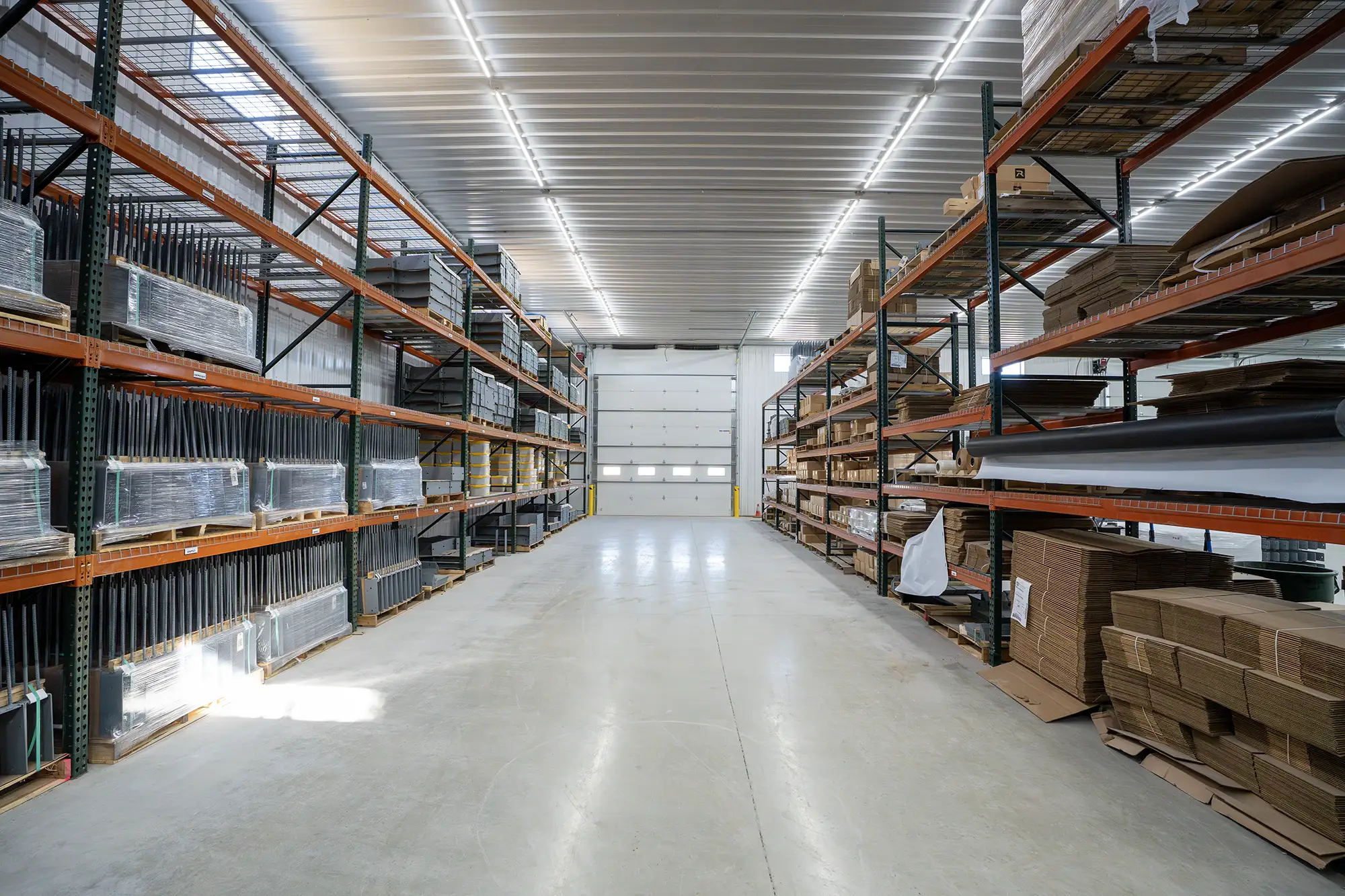
Plan rack heights, forklift lanes, and staging that don’t choke the dock. Position docks and overhead doors where trucks can fit without S-curves. Define pick paths and cross-aisles to cut touches, and reserve a future mezzanine or rack bay where growth naturally occurs.
Offices & Support
Cluster private offices to buffer noise from sales floors or service bays. Keep collaboration rooms central and easy to reach. Place break rooms and training areas where natural light lifts morale.
Entertainment & Events
Plan a clear-span main hall with flexible seating layouts and unobstructed sightlines. Layout service corridors so staff can move without crossing guests. Size restrooms and catering zones to peak loads, and control sound with acoustic surfaces or strategic baffles. Specify dimmable, zoned lighting and ample power for A/V needs of performances, presentations, and vendors. Keep storage close to the floor for fast turnovers between events.
Commercial Building Materials That Define Durability
Longevity doesn’t hinge on a single premium component. It comes from a matched system encompassing structure, envelope, and details to handle Midwest weather, heavy traffic, and daily use.
For owners, that matched system means fewer leaks, fewer corrosion issues, and less maintenance downtime over the life of the building.
Foundations & Column Systems
Perma-Column permanent foundation systems keep wood above grade and isolated from soil contact. Pair high-strength concrete footings with engineered column systems that resist moisture. Use hot-dipped galvanized hardware and stainless fasteners in splash and de-icing zones to prevent corrosion.

Structural Frame & Trusses
Specify MSR-rated lumber for consistent truss strength. Engineer connections for snow, wind, and drift at step-downs and parapets. Use treated bottom plates in wash-down areas, and shield posts with durable base trims like Tri State Perma-Column’s Precast Concrete Skit Board.
Underlayments & Moisture Control
Install synthetic underlayments and vapor control layers in conditioned zones. Vent ridge and eaves correctly so heat and moisture don’t compromise panels or insulation. Flash every penetration, with no shortcuts around pipes, vents, or canopy brackets.
Doors, Glazing, & Openings
Select commercial-grade overheads with wind ratings suited to local exposure and cycle counts that match expected use. Use storefront systems with thermal breaks in conditioned spaces and glazing that balances daylight with UV control. Detail thresholds and sills to shed water and handle carts or pallets.
Concrete & Ground-Level Protection
Thicken slabs at door lines and lift points. Add floor hardeners, densifiers, or high-build coatings where forklifts or chemicals may be common. Place trench drains downhill of areas prone to messes and protect corners with guards where hits could happen.
Fasteners, Trims, & Sealants
Use stainless or class-4 coated fasteners in corrosive zones. Protect cut edges and keep trims tight. Choose sealants rated for temperature swings and movement so joints stay closed through winter and summer.
Roof & Wall Panels
Full-hard, high-tensile steel stays straighter and resists dents. Match coatings to priorities: SMP for strong value and broad color range, or PVDF for maximum color hold and chalk resistance over decades. Seal laps with closures and choose fasteners with long-life washers to keep water out.
Finish Well: Material Choices That Stand Up to Traffic & Still Look Premium
Daily traffic can be tough on a commercial building. Finishes should resist wear, clean up fast, and still project a professional look years down the road.
Walls That Stay Clean
Limit scuffs and touch-ups so public areas stay sharp and back-of-house stays durable.
Pre-finished steel liner panels shrug off scuffs in back-of-house spaces. T1-11 paneling is another common post-frame solution for fastener-friendly and repairable surfaces. In public zones, abuse-resistant drywall with ceramic or high-performance enamel paint keeps marks in check. Use fiber-reinforced panels in supply rooms and janitorial spaces to protect corners.
Ceilings for Light & Sound
Improve lighting quality and acoustic comfort without creating hard-to-maintain ceiling systems.
A painted deck with linear LEDs creates a modern, bright sales floor. Acoustic tiles or baffles in offices and conference rooms improve privacy. In mixed-use areas, pair LED high-bays with acoustic clouds to control reverberation without dimming the space.
Floors That Handle Hard Work
Choose floors that reduce cleaning time, resist damage in high-use zones, and minimize shutdowns for repair.
Polished concrete with a penetrating sealer brings a clean, reflective surface for showrooms, retail floors, and office spaces. Densified concrete with urethane or epoxy adds chemical resistance for service zones. In quiet areas, luxury vinyl or rubber tile reduces noise and stands up to rolling loads.

Doors, Casework, & Trim That Wear Well
Choose high-contact finishes and hardware that resist dents, moisture, and daily traffic so entrances and work zones stay functional and sharp with fewer repairs.
Solid-core doors hold alignment and reduce noise transfer. Durable hardware matched to traffic prevents early failures. Plastic-laminate or quartz counters resist cleaners and daily impacts. Add PVC or metal corner guards at high-traffic intersections.
Brand-Forward Details That Last
Use a few durable, high-visibility upgrades to reinforce professionalism and customer confidence without adding maintenance headaches.
At entries, favor sealed wood under canopies, composite cladding at touch zones, and powder-coated metals for signage. Inside, rely on durable wall graphics and LED accents to highlight products without fragile materials.
Maintenance Made Simple
Standardize materials and access points so cleaning, inspections, and replacements are fast to minimize downtime and keep long-term costs predictable.
Choose finishes compatible with common cleaning products and avoid porous materials at entries or coffee stations. Keep transitions flush to limit chips and trips, and detail base trims for easy mop access.
Business Owner’s Commercial Building Master Checklist
Use this checklist to guide early decisions, reduce redesigns, and keep your budget, schedule, and operations aligned from the planning phase through the build-out.
Budget & Phasing
-
Keep plan shapes simple and repeatable.
-
Concentrate premium finishes at customer-facing touchpoints.
-
Set insulation and HVAC levels by zone, not blanket standards.
-
Pre-plan utilities and penetrations for future equipment.
-
Stage interiors to open on time, then elevate finishes as cash flow allows.
Pre-Design Preparation
-
Prepare a rough personnel and equipment list, including the largest items and how they move through the space.
-
Bring a site sketch or survey showing access points, grade or drainage constraints, and truck or pedestrian flow.
-
Define your near-term plan, including day-one use and likely add-ons within the next two to three years.
Code, Use, & Systems Decisions to Lock Early
-
Name the primary use and first likely secondary use.
-
Approve entry locations and exit strategies.
-
Choose the roof look and target building height.
-
Define fire-resistance ratings for walls, ceilings, doors, and penetrations at key separations.
-
Set power and data expectations with future capacity in mind.
Expansion & Flexibility Planning
-
Detail end walls for straightforward future expansion.
-
Select facade systems that can be matched later.
-
Stub conduits and drains for known future equipment.
-
Keep structural rhythm consistent to simplify future interior changes.
Durability & Material Verification
-
Verify base metal thickness (unpainted), not just stated “gauge.”
-
Confirm the coating system (SMP vs. PVDF) matches sun exposure and longevity goals.
-
Specify fastener class appropriate for corrosive zones (salt, chemicals, wash-down areas).
Finish & Maintenance Strategy
-
Set cleaning methods by zone (public, service, quiet).
-
Choose modular finishes where fast replacement matters.
-
Add edge protection at known impact points.
-
Balance light reflectance values with bright ceilings and mid-tone touch zones.
Start Planning Your Commercial Building
You deserve a commercial building partner who listens, thinks ahead, and delivers a structure that helps your business thrive. Post-frame construction isn’t a trend for Meyer Building. It’s what we do. With deep experience designing and building commercial post-frame facilities across industries, we understand the real-world details that matter most to business owners: efficient layouts, durable materials, code-ready plans, and a process that keeps your schedule moving. Let’s talk about your goals, site, and schedule, then map a clear plan for a post-frame commercial building that works for your business on day one and adapts as you grow.